


This article was automatically translated from the original Turkish version.
+1 More
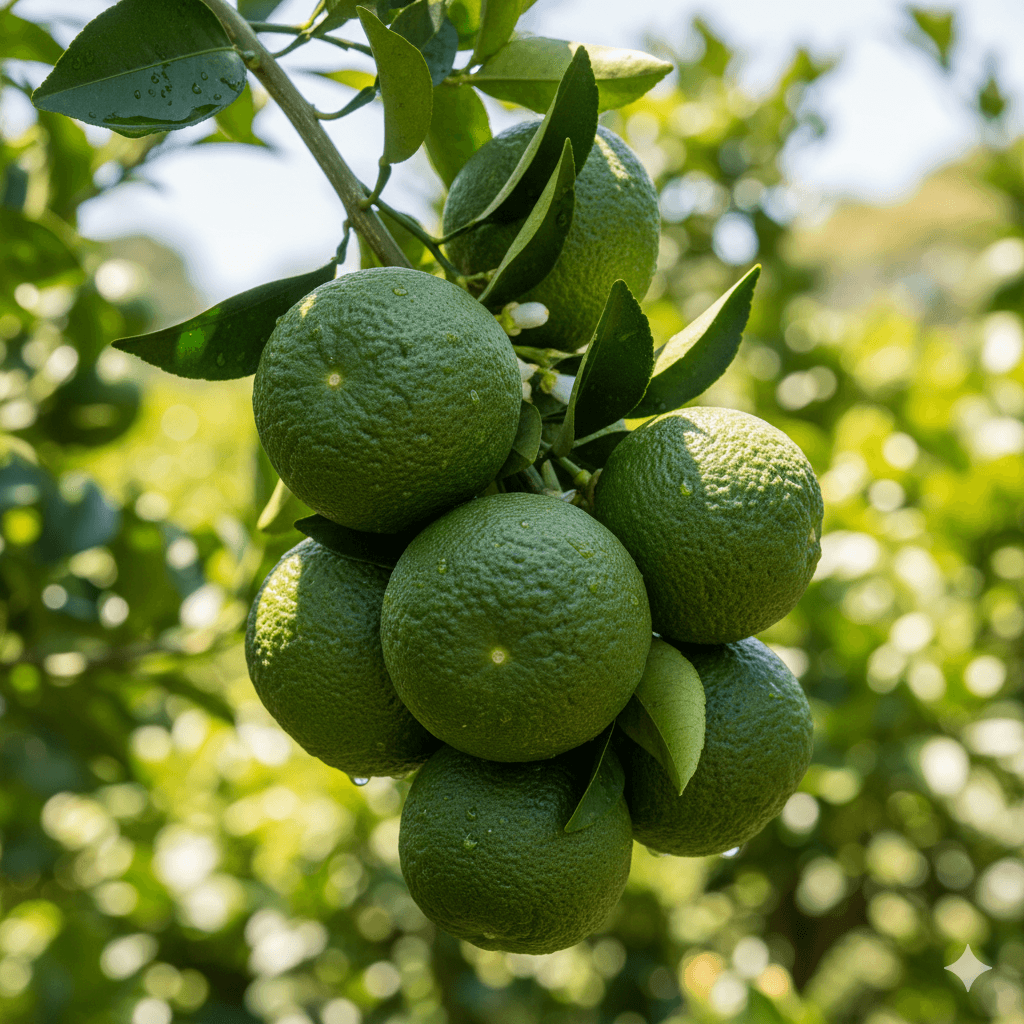
Oita Kabosu (Yapay Zeka ile Oluşturuldu)
Oita Kabosu is a citrus fruit grown in Oita Prefecture, Japan, and protected by a geographical indication. Registered under registration number 33 in the "Fruit" category, this product is harvested in its green stage when its aroma is at its peak and then distributed to fruit and vegetable markets. Its sensory profile is characterized by a refreshing aroma and a moderate level of acidity. The fruit juice is preferred in cooking because it enhances the original flavor of the ingredients it is used with.
The harvesting process of Oita Kabosu is optimized according to the fruit’s characteristics. In open-field cultivation, harvesting typically begins in late August with green fruit. Under normal conditions, the fruits turn yellow between October and November; however, Oita Kabosu is harvested before this yellowing stage.
The supply system is planned to ensure continuous availability throughout the year. Fruits not shipped immediately after harvest are stored under controlled conditions and released to the market until February of the following year. Starting in March, shipments of greenhouse-grown Kabosu fruits begin. This integrated system has established a supply structure that guarantees year-round availability of the product under the name “Green Kabosu.”
33 Oita Kabosu (YouTube - Geographic Indication Product Information Platform)
The primary quality standard in production is based on the fruit’s juice content. Harvest timing is calibrated to ensure that consumers receive high-quality Kabosu with an estimated juice content of at least 20% by weight.
To determine this time window, samples are collected from all production areas within Oita Prefecture. The juice content of these samples is measured, and cumulative data are used to estimate the overall juice ratio.
When fruits are stored rather than shipped immediately after harvest, special conditions are set in accordance with the standards outlined in the cultivation manual. These adjustments aim to preserve quality parameters such as the fruit’s green color and juice content throughout the storage period.
Information on the origins of Oita Kabosu is based on a local legend from the Otomi area of Usuki City. According to this legend, cultivation in the region is believed to have begun during the Edo period (1603–1868), when a doctor named Sogen planted saplings—some sources say seeds—that he brought back from Kyoto. The fruit has been held in high regard since ancient times for its medicinal properties.
The rapid expansion of cultivation as a commercial fruit crop was driven by incentive policies implemented by Oita Prefecture in the 1960s. In 1972, the Oita Prefecture Kabosu Promotion Council was established with participation from stakeholders, initiating cooperative activities to promote consumption.
In 1979, Oita Prefecture supported the “One Village, One Product” campaign. Originally cultivated only in Oita Prefecture, Kabosu became the flagship product of the region, drawing attention at various events. In response to this development, the Oita Prefecture Kabosu Promotion Council continued efforts to broaden consumption and worked to enhance the product’s brand value.
Since 1978, Oita Prefecture has consistently accounted for more than 90% of Japan’s national Kabosu production. This market dominance is widely attributed to unprecedented promotional activities not replicated in other production areas.

Oita Kabosu (Yapay Zeka ile Oluşturuldu)
Cultivation, Harvesting, and Supply System
Quality Control and Storage Standards
Historical Origins and Cultural Development