



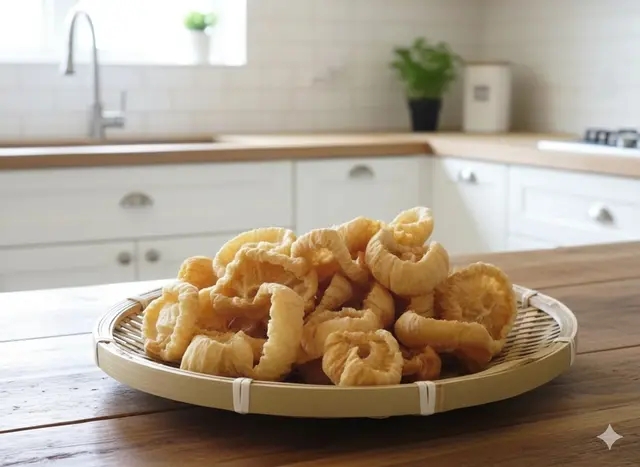
Okuhida Yamanomura Kanboshi Daikon (Generated by Artificial Intelligence. )
Okuhida Yamanomura Kanboshi Daikon is a processed food product with a geographical indication (GI) registration, produced using traditional methods under the harsh climatic conditions of the winter months in the Yamanomura region of Hida City, Gifu Prefecture, Japan.
Taking advantage of the harsh winter conditions in the Yamanomura region, local producers have long produced cold-dried radishes (kanboshi daikon). Traditional production methods developed throughout the region's history have been inherited to this day. Initially, these cold-dried radishes were produced by local households for domestic consumption. However, with the consolidation of production methods by the "Suzushiro Group," sales of the product officially began in 1986 under the brand name "Okuhida Yamanomura Kanboshi Daikon." The product was registered as a Geographical Indication on November 10, 2017, and thus protected.
About Okuhida Yamanomura Kanboshi Daikon (地理的表示産品情報発信サイト)
The production area for Okuhida Yamanomura Kanboshi Daikon is the Yamanomura Village area of Kamioka Town, Hida City, Gifu Prefecture. This area, located at an altitude of approximately 1,000 meters, is an isolated area with heavy snowfall. In mid-winter, temperatures can drop to -20 degrees Celsius. The primary production requirement for the product is outdoor drying in sub-zero temperatures and cold winds. Local producers handle all processes at the site, from radish cultivation to dried radish production.
Producers cultivate radishes using various varieties of Aokubi Daikon. Harvested radishes are stored in the ground or in a warehouse to preserve their freshness, waiting for mid-winter when temperatures drop below freezing. From late December to January, the stored radishes are washed, cut into round slices approximately 1.5 to 2 cm thick, and boiled in a large pan. The boiled radish slices are then skewered and dried naturally for approximately 30 days. This drying process involves repeated cycles of freezing the radishes at night and thawing them in sunlight during the day. Furthermore, the region is covered with nearly two meters of snow during the winter months, preventing dirt from adhering to the radishes while they are dried outdoors, providing a suitable environment for dried radish production. Finally, after an additional drying process and quality control within the facility, the product is released to market.

Okuhida Yamanomura Kanboshi Daikon (Generated by Artificial Intelligence. )
No Discussion Added Yet
Start discussion for "Okuhida Yamanomura Kanboshi Daikon" article
History
Production Area and Method
This article was created with the support of artificial intelligence.