

 Recently Added:

This article was automatically translated from the original Turkish version.
The Oleški humanitarian ceasefire agreement is a local truce announced on 23 October 2026 between Russia and Ukraine to facilitate the delivery of humanitarian aid and the evacuation of civilians from the town of Oleški located in southern Ukraine under Russian control. According to the announcement by the US White House, the parties agreed to halt all military activities in the town starting 27 October 2026. The ceasefire aims to enable approximately 2,000 civilians facing severe difficulties accessing basic necessities due to the worsening humanitarian crisis to receive aid and be evacuated to safe areas. The White House stated that the agreement was achieved through the initiatives of Melania Trump, wife of US President Donald Trump.
The town of Oleški in Ukraine’s Kherson region has been under Russian control since the beginning of Russia’s large-scale military offensive against Ukraine in February 2022.
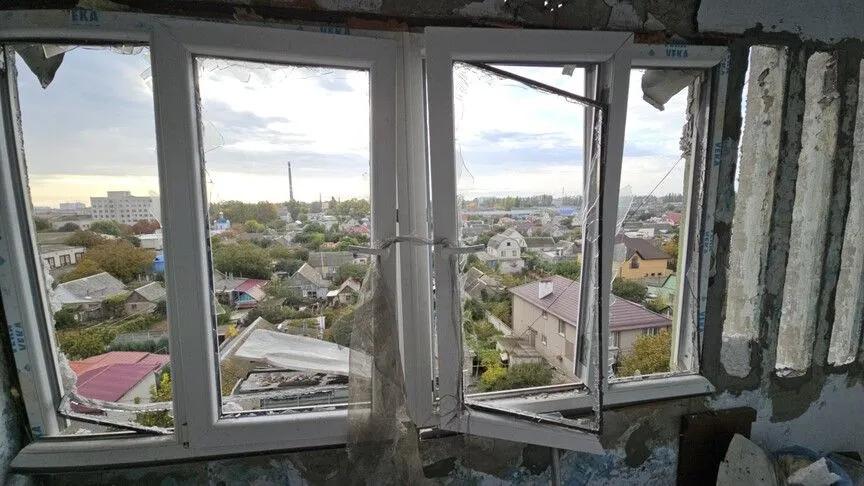
As the war continued, serious disruptions occurred in transportation energy and basic public services within the town. Military operations in the region have hindered the delivery of humanitarian assistance and the establishment of safe evacuation corridors.
As of October 2026 it was estimated that approximately 2,000 civilians remained in the town. Living conditions have deteriorated significantly due to shortages of food drinking water and electricity.
According to accounts from local residents some civilians have been forced to survive on wild grasses boiled vegetation bread and limited food aid. As the humanitarian crisis deepened Ukrainian authorities international organizations and various diplomatic actors launched efforts to secure a temporary ceasefire to enable the delivery of aid to the area.
On 23 October 2026 the US White House announced that Russia and Ukraine had reached an agreement to implement a local ceasefire in the town of Oleški.
According to the statement the parties agreed to suspend all military operations within the town’s boundaries starting 27 October 2026.
The primary objective of the agreement was stated as facilitating humanitarian aid delivery establishing evacuation routes and safely removing civilians trapped in the town. Russian and Ukrainian officials also indicated that the parties were close to reaching an agreement on the ceasefire.
The announced arrangement did not constitute a general ceasefire covering the entire war between Russia and Ukraine. It was assessed as a localized measure designed solely to enable humanitarian activities in Oleški.
The White House stated that the ceasefire agreement was achieved through the mediation of Melania Trump wife of the US President Donald Trump. In its briefing the White House indicated that Melania Trump’s representative had engaged in direct talks with Russian and Ukrainian officials to define the terms of the agreement.
Melania Trump stated that coordinated support and transportation would be provided to civilians wishing to be evacuated. She clarified that civilians would be allowed to travel to their preferred destinations some to areas under Russian control and others to areas under Ukrainian control. However it was reported that diplomatic efforts leading to the ceasefire had begun prior to the White House announcement.
Ukrainian officials asserted that previous humanitarian ceasefire appeals had been rejected by Russia. Therefore it was emphasized that the diplomatic initiatives leading to the agreement were not limited to the final US contacts.
As the humanitarian crisis in Oleški intensified various international organizations and political leaders called for a temporary halt to hostilities. Pope XIV Leo addressed the humanitarian situation in Oleški during a meeting with Ukrainian President Volodymyr Zelenskyy.
The United Nations the European Union and the Council of Europe also supported the establishment of a humanitarian ceasefire to enable aid delivery to civilians in the region.
On 18 October 2026 Ukrainian Commissioner for Human Rights Dmytro Lubinets stated in a public announcement that the parties appeared to be close to reaching an agreement.
Lubinets’ statement made no reference to Melania Trump’s initiatives. This indicated that ceasefire negotiations were being conducted through multiple diplomatic channels.
An operational plan was developed to deliver humanitarian aid to Oleški and evacuate civilians under the terms of the ceasefire. Ukrainian Commissioner for Human Rights Dmytro Lubinets stated that the humanitarian operation would include clearing roads of landmines distributing food and evacuating civilians.
The plan foresaw making transportation routes accessible to ensure the safe movement of humanitarian vehicles.
The goal was to deliver sufficient quantities of food and essential supplies to meet the needs of civilians in the town. Those wishing to be evacuated were to be transported safely to their chosen destinations.
Lubinets emphasized that humanitarian activities should not be limited to a single operation and announced that efforts were underway to extend similar initiatives to other settlements beyond Oleški.
In the weeks preceding the announcement of the ceasefire agreement Ukrainian authorities had conducted efforts to evacuate civilians from Oleški and surrounding settlements.
However due to ongoing hostilities and the unsafe condition of land routes humanitarian activities remained limited. Ukraine attempted to deliver emergency food and medical supplies to the town using unmanned aerial vehicles during certain periods.
These aerial aid operations served as a temporary measure to meet civilians’ basic needs when regular humanitarian deliveries by road were not possible. The ceasefire scheduled to begin on 27 October was intended to enable larger-scale aid shipments via land routes.
To implement the local ceasefire in Oleški the parties were expected to halt all military activities in the designated area and ensure the safety of humanitarian personnel.
Clearing mined roads enabling the passage of aid vehicles and establishing evacuation corridors were among the key phases of the operation.
The agreement stipulated that civilians wishing to be evacuated should be allowed to move according to their own preferences. However it was reported that the ceasefire had not yet taken effect as of 23 October and was scheduled to enter into force on 27 October.
Details regarding the duration of the ceasefire its monitoring and the exact number of civilians to be evacuated were not clarified in official statements.
Despite the agreement on a humanitarian ceasefire in Oleški broader hostilities between Russia and Ukraine continued. On 23 October 2026 Kremlin spokesperson Dmitry Peskov announced that trilateral peace talks mediated by the United States could resume in Abu Dhabi in November. Previous negotiations between Russia Ukraine and the United States had failed to produce a lasting peace agreement.
Major points of disagreement between the parties centered on Ukraine’s territorial integrity the status of regions under Russian control the future of the Ukrainian military and Ukraine’s relations with international security alliances.
The Russian government demanded that Ukraine withdraw from certain areas still under Ukrainian control in eastern Ukraine limit its military capacity and adopt a neutral status excluding NATO membership.
Ukraine considered the protection of its sovereignty and security as fundamental elements of any peace negotiations.
In this context the Oleški agreement had the nature of a limited humanitarian arrangement aimed at protecting civilians in a specific area rather than resolving the broader political and military disputes of the war.
The ceasefire announced in Oleški was of critical importance for enabling aid delivery to civilians who had long struggled to access basic necessities.
If implemented the agreement aimed to facilitate access to food and other essential needs for the approximately 2,000 residents of the town enable the safe relocation of civilians wishing to evacuate and clear mined transportation routes.
It was emphasized that the local ceasefire was not an agreement to end the wider war between Russia and Ukraine but rather a temporary measure established solely to enable humanitarian operations. As of 24 October 2026 the ceasefire was expected to take effect but definitive information on the outcomes of aid deliveries and evacuations had not yet been released.
Anadolu Ajansı. "Rusya ve Ukrayna, Oleşki'ye insani yardım için 27 Ekim'den itibaren Herson yönünde geçici ateşkes ilan etti." Accessed October 24, 2026.
NBC News. "Russia and Ukraine agree to ceasefire in city brokered by Melania Trump." Accessed October 24, 2026.https://www.nbcnews.com/world/ukraine/russia-ukraine-agree-ceasefire-city-brokered-melania-trump-rcna605217
NTV. "Beyaz Saray: Rusya ve Ukrayna yerel ateşkes için anlaştı, Melania Trump da devredeydi." Accessed October 24, 2026.
Reuters. "Russia, Ukraine agree to ceasefire in Ukrainian city hit by food crisis, brokered by Melania Trump." Accessed October 24, 2026.https://www.reuters.com/world/europe/melania-trump-secures-oleshky-ceasefire-between-russia-ukraine-white-house-says-2026-10-23/
The Guardian. "Russia and Ukraine agree to local ceasefire in Oleshky amid deepening humanitarian crisis." Accessed October 24, 2026.https://www.theguardian.com/world/2026/oct/23/ukraine-troops-report-ongoing-problems-with-starlink-satellite-network

Russia and Ukraine agreed on October 27 to implement a local ceasefire in the town of Olešky, which is under Russian control, due to the deepening humanitarian crisis. Under the arrangement announced by the White House, military activities were to be halted, humanitarian aid was to be delivered, and preparations were made for the safe evacuation of approximately 2,000 civilians. The U.S. administration stated that the agreement was achieved through the initiatives of Melania Trump.
No Discussion Added Yet
Start discussion for "Oleshky Humanitarian Ceasefire Agreement (October 2026)" article
October 24, 2026
Background of the Humanitarian Crisis in Oleški
October 24, 2026
Announcement of the Ceasefire Agreement Between Russia and Ukraine
October 24, 2026
Melania Trump’s Mediation Initiative
October 24, 2026
International Organizations’ Calls for a Ceasefire
October 24, 2026
Humanitarian Aid and Evacuation Plan
October 24, 2026
Aid Delivery via Unmanned Aerial Vehicles
October 24, 2026
Conditions for Implementing the Ceasefire
October 24, 2026
Relation to Russia-Ukraine Peace Talks
October 24, 2026
Humanitarian Significance of the Ceasefire