



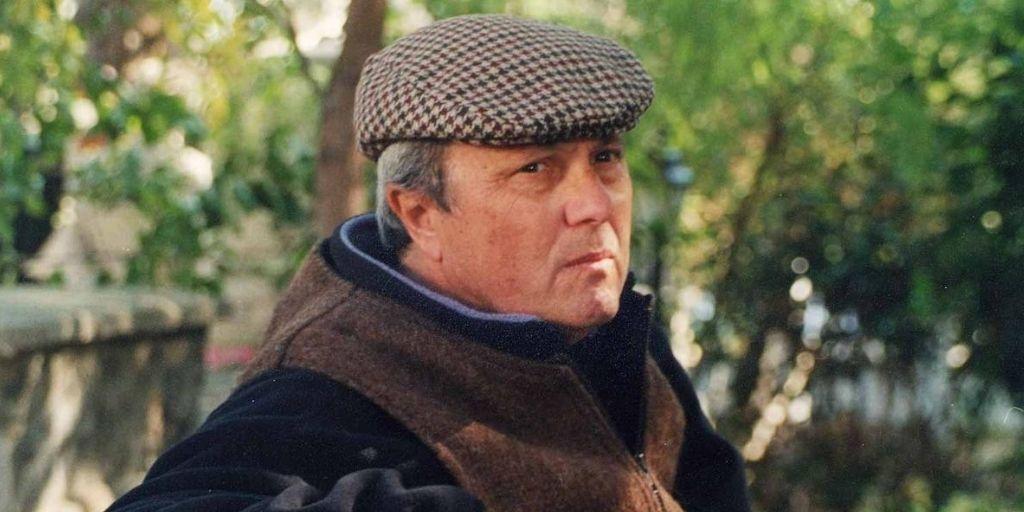
Ömer Kavur
Doğum tarihi | 1944-06-18 | ||||||||
|---|---|---|---|---|---|---|---|---|---|
Place of Birth | Ankara, Türkiye | ||||||||
Ölüm tarihi | 2005-05-12 | ||||||||
Place of Death | İstanbul, Türkiye | ||||||||
Occupation(s) | Director Producer Screenwriter | ||||||||
Ömer Kavur was born on June 18, 1944, in Ankara. His mother was Abbase Sina Moralı and his father, Ibrahim Şadi Kavur, was a civil servant at the Ministry of Foreign Affairs. As the only child in the family, Kavur spent part of his childhood in Yugoslavia, where his father was posted as an ambassador. After the family returned to Türkiye, he continued his education in Istanbul, attending Kabataş Boys High School and Robert College. During these years, he also played basketball for Fenerbahçe Sports Club.
After watching Michelangelo Antonioni’s film La Notte during his high school years, he decided to become a filmmaker.
Kavur pursued his university education in Paris, studying cinema at the Conservatoire Libre du Cinéma Français and journalism at the Sorbonne Haute École du Journalisme. He completed his technical and practical knowledge of cinema through a master’s thesis on film history at the University of Paris. During his years in France, he directed several short films that won awards and served as assistant director on Alain Robbe-Grillet’s L’Homme qui ment (1968) and Bryan Forbes’s The Madwoman of Chaillot (1969).
Influenced by the French New Wave, Kavur described French cinema as “a school that opened a new window onto life,” and he transformed this approach into an aesthetic texture in his subsequent filmography. He returned to Türkiye in 1971 before completing his doctoral studies at Sorbonne University.
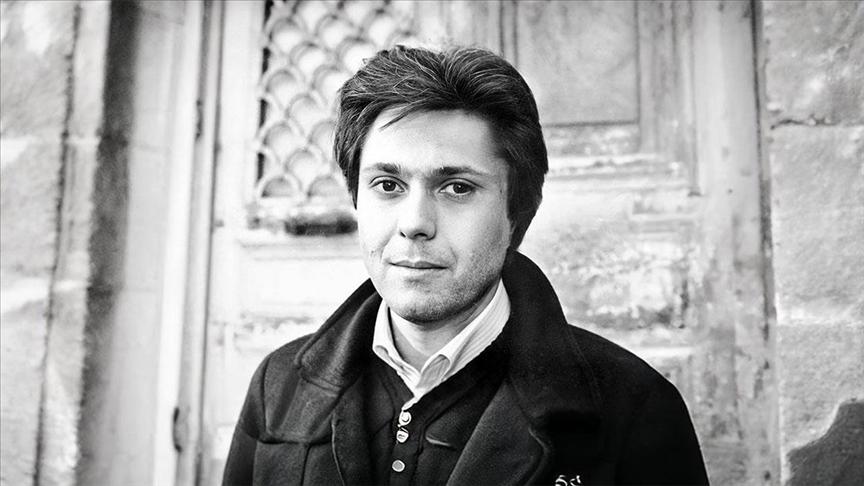
Ömer Kavur (AA)
After returning to Türkiye, Ömer Kavur began his cinematic career by directing documentaries on Atatürk Bridge and the Bosphorus Bridge.
His first feature film, Yatık Emine (1974), was adapted from the eponymous story in Refik Halit Karay’s Memleket Hikâyeleri. The film focuses on a woman’s struggle for survival in a small town and stands as an early example of Kavur’s perspective on the relationship between town and society.
Kavur also produced advertising films for a period. With his 1979 film Yusuf ile Kenan, he offered an alternative narrative to the “social realist” cinema of the time. The film, which portrays the lives of homeless children in Istanbul, demonstrated cinematic originality through its minimalist storytelling and intense emotional atmosphere.
Ömer Kavur adapted numerous literary works for the screen. These include Yatık Emine, adapted from Refik Halit Karay’s Memleket Hikâyeleri; Ah Güzel İstanbul, adapted from a work by Füruzan; Anayurt Oteli, based on the novel by Yusuf Atılgan; and Gizli Yüz, inspired by a story from Orhan Pamuk’s novel Kara Kitap. These are only a few examples. In particular, Anayurt Oteli has been recognized by film critics as one of the ten greatest films in the history of cinema.
The distinguishing feature of Ömer Kavur’s cinema is his mastery of atmosphere and symbolic storytelling. Loneliness, alienation, time, and journey are recurring themes in his films. He often employs pale, colorless, and misty visuals to render the fragility of his characters’ inner worlds and their social marginalization.
In Kavur’s films, journey symbolizes both physical and inner quests. Works such as Amansız Yol, Gece Yolculuğu, and Akrebin Yolculuğu are the most prominent expressions of this theme. In Kırık Bir Aşk Hikayesi, the narrative begins and ends with Aysel’s journey, thereby equating personal fragmentation with the act of traveling.
In Kavur’s cinema, time emerges as a cyclical and existential element. As Şükran Kuyucak Esen notes, Kavur distinguishes time into “time that moves forward” and “time that turns in circles.” Clocks, towers, and characters associated with time are frequently highlighted in scenes that emphasize the persistence of time.
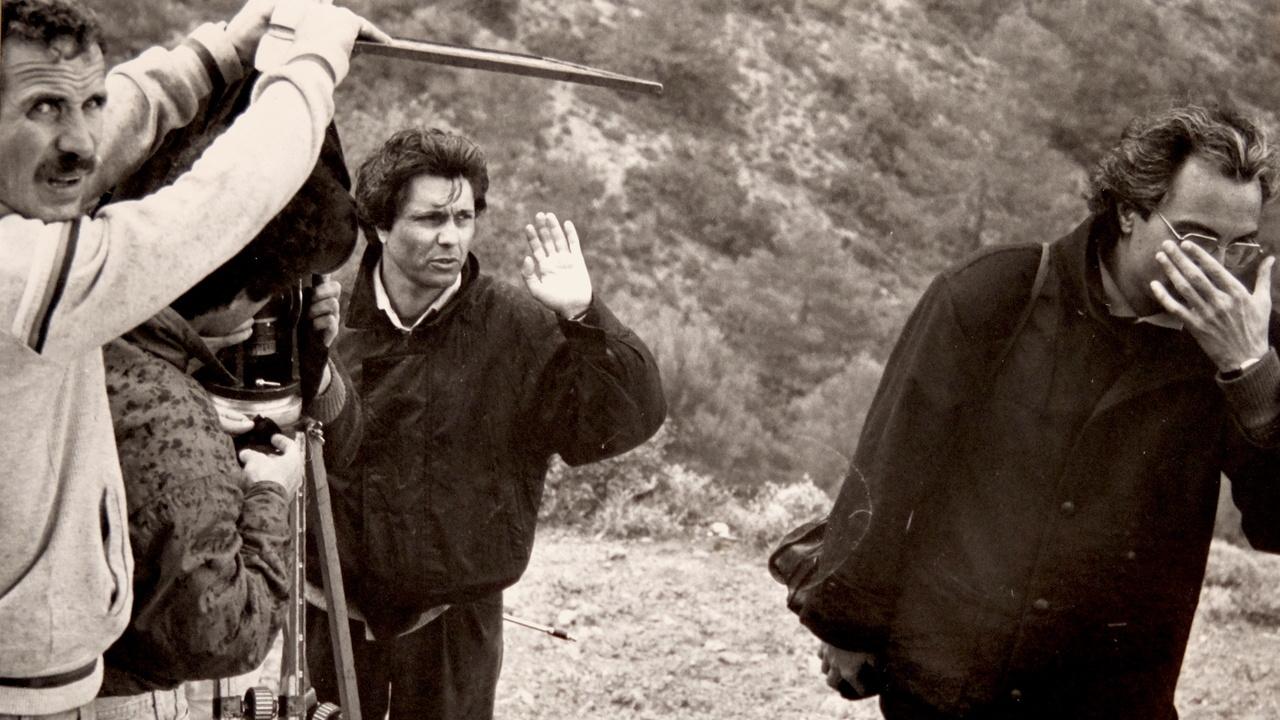
Ömer Kavur (Mubi)
Urban life and the loneliness of the modern individual are dramatically portrayed in films such as Körebe and Göl. Göl presents a tense narrative of identity search and the pressures of power.
Ömer Kavur is one of the few filmmakers in Turkish cinema recognized as an auteur. Andrew Sarris’s “three rings” of technical mastery, personal style, and inner meaning are clearly evident in Kavur’s filmography. His creation of a unique cinematic language in each film, his stylistic consistency in narrative, and the depth of his thematic structures have distinguished him from classical cinematic conventions and established him as an artist of cinema.
In the 1990s and 2000s, Kavur continued his existential cinema with films such as Gizli Yüz (1991), Karşılaşma (2003), and Akrebin Yolculuğu (1996). He also directed television films and founded the production company Alfa Film, participating in several international projects. In the final phase of his career, his narratives increasingly focused on inner journeys, the nature of love, and identity search.
In the early 1980s, Kavur married the artist Hümeyra; their marriage lasted approximately two years.
Ömer Kavur died in Istanbul on May 12, 2005, at the age of 60, due to lymphatic cancer.
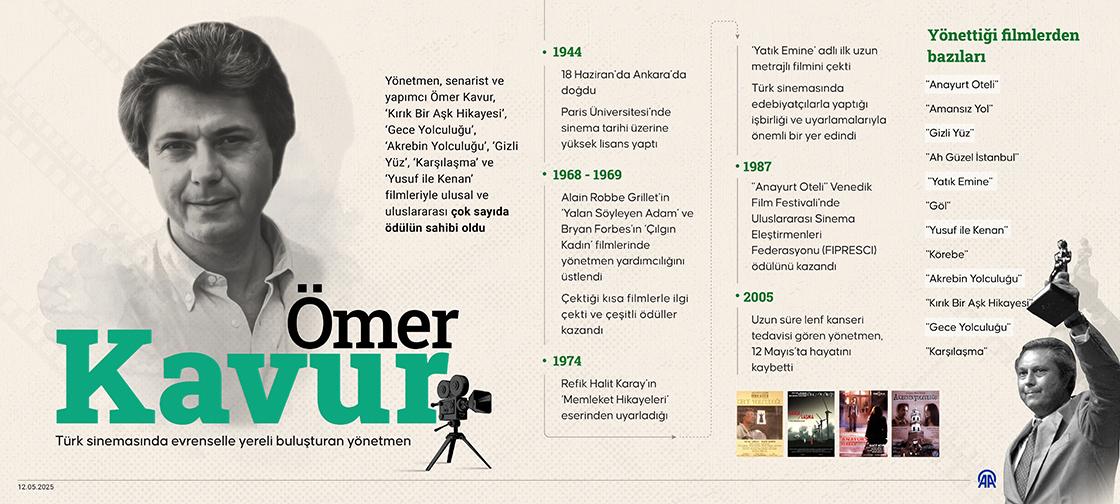
Ömer Kavur Infographic (AA)
1980 Milan Children’s Film Festival – Grand Prize
1987 Venice Film Festival – FIPRESCI Prize
Nantes Three Continents Film Festival – Best Film
Valencia Film Festival – Third Prize
International Istanbul Cinema Days – First Prize
Cannes Film Festival – “Un Certain Regard” section
At the Antalya Golden Orange Film Festival, in various years, Kavur’s films Kırık Bir Aşk Hikayesi, Gece Yolculuğu, Akrebin Yolculuğu, Gizli Yüz, and Karşılaşma received awards for Best Director, Best Film, and Best Screenplay.
Ömer Kavur is regarded as one of the pioneering filmmakers in Turkish cinema who developed an original cinematic language marked by formal innovation, psychological depth, and narrative coherence. Numerous retrospectives have been dedicated to his work; most recently, in 2000, five of his films were screened as part of the “Ömer Kavur Film Week,” organized by the New York Film Festival and Anthology Film Archives. Yusuf ile Kenan, Anayurt Oteli, Gece Yolculuğu, Akrebin Yolculuğu, and Gizli Yüz were shown to audiences in the United States.
Conversation on Ömer Kavur Cinema (TRT 2)
Anadolu Ajansı. "Türk Sinemasında Evrenselle Yereli Buluşturan Yönetmen: Ömer Kavur." Accessed May 12, 2025. https://www.aa.com.tr/tr/kultur/turk-sinemasinda-evrenselle-yereli-bulusturan-yonetmen-omer-kavur/3563673.
Anadolu Ajansı. "Türk Sinemasının Usta Yönetmeni: Ömer Kavur." Anadolu Ajansı. Accessed May 12, 2025. https://www.aa.com.tr/tr/kultur/turk-sinemasinin-usta-yonetmeni-omer-kavur/2894898.
Gökmen, Esma. "Auteur Kuramı ve Bir Auteur Yönetmen Olarak Ömer Kavur." Uluslararası Sosyal Araştırmalar Dergisi 11, no. 58 (August 2018).
Pösteki, Nigar. "Sinema Yolu ile Oluşturulan Dünyalar: Yok-yer, Heterotopya ve Ömer Kavur Sineması." SineFilozofi Dergisi, 2019 Özel Sayı.
Yılmaz, Bülent Tunga. "Bir Kırık Ömer Kavur Yazısı: İkonik Yönetmene Bakış." TheMagger. Accessed May 12, 2025. https://www.themagger.com/omer-kavur-kimdir/.
Ömer Kavur Sinemasında Zaman Teması. Yağmur Poyraz. Marmara Üniversitesi Sosyal Bilimler Enstitüsü Radyo Sinema Televizyon Anabilim Dalı, İstanbul, 2018.

Ömer Kavur
Doğum tarihi | 1944-06-18 | ||||||||
|---|---|---|---|---|---|---|---|---|---|
Place of Birth | Ankara, Türkiye | ||||||||
Ölüm tarihi | 2005-05-12 | ||||||||
Place of Death | İstanbul, Türkiye | ||||||||
Occupation(s) | Director Producer Screenwriter | ||||||||
Education
Early Career and First Films
Literary Adaptations
Cinematic Style and Themes
Journey
Time
Loneliness
Achievements and Cinematic Philosophy
Late Career Works
Personal Life
Death
Selected Films
Awards