

This article was automatically translated from the original Turkish version.
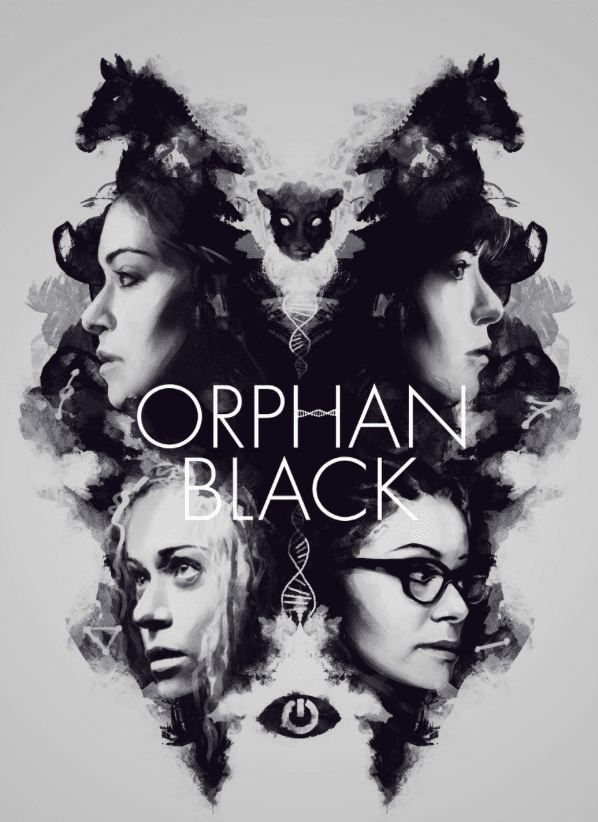
Orphan Black is a series that brings a fresh perspective to science fiction through its foundation in character and its high-stakes conspiracies. The story begins with a suicide scene featuring Main character Sarah Manning, revealing that what initially appears to be a routine case of identity theft is the first link in a vast network extending to human cloning. While assuming the life of another woman who looks exactly like her, Sarah discovers she is part of a scientific experiment. This starting point transforms the series from a mere action narrative into a structure that prompts reflection on ethics, identity, and body politics on.
One of the most striking elements of the series is Tatiana Maslany’s portrayal of multiple distinct characters simultaneously. Sarah, Cosima, Alison, Helena, Rachel, and others are clone characters, each with unique accents, personality structures, and physical mannerisms. Maslany’s performance is not merely a technical achievement but has become a cornerstone of the series’ emotional and narrative power. With this performance, Maslany made history in Canada television by winning an Emmy Award in 2016.
The cloning project in the series is called “Project Leda,” backed by a group known as Neolution. Neolution represents a system aiming to redesign humanity through evolutionary intervention. The conflicts in the series are not only interpersonal; they are also deeply intertwined with scientific ethics, individual freedom, and biological fate like concepts. At this point, science fiction elements are not merely background—they lie at the very center of the narrative.
Orphan Black is a co-production between Canada’s Space channel and BBC America. Each episode was produced with a budget of two million dollars and filmed in Toronto. The production also involved a technically demanding production process: complex scenes featuring clones were created using special effects, recording techniques, and the support of stunt double Kathryn Alexandre. The series made a significant impact not only within Canada but also among global audiences, inspiring a fan community known as the “Clone Club” on social media.
The series’ success extended beyond television, branching out into comic novel series and supplementary programs. The analysis show “After the Black” aimed to help viewers unpack the world presented by the series, particularly from season three onward. Additionally, comic books published by IDW Publishing offer new narratives exploring the characters’ backstories and alternative universes. Orphan Black holds a distinguished place in Canadian television history as an award-winning production that pushed technical and narrative boundaries while forging a direct connection with its audience.

No Discussion Added Yet
Start discussion for "Orphan Black (TV Series)" article
A Single Actor Among Clones: Tatiana Maslany
Clones, Institutions, and Conspiracies
The International Success of a Canadian Production
Legacy and Expansions