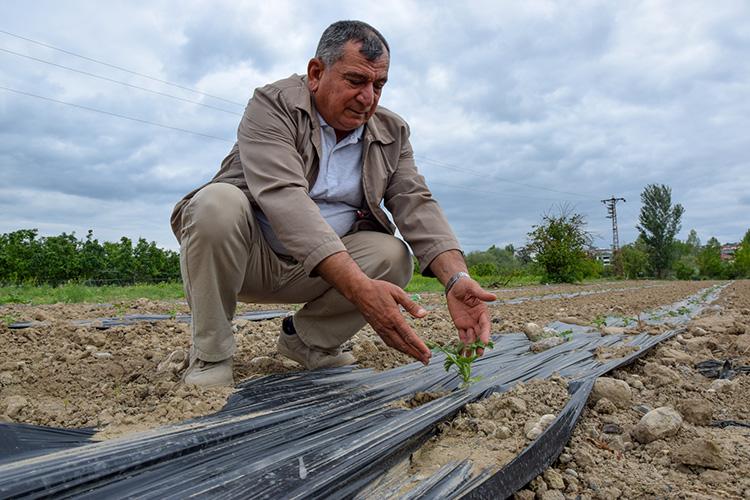


This article was automatically translated from the original Turkish version.
+1 More
Product | Osmaneli Watermelon | ||||||||
|---|---|---|---|---|---|---|---|---|---|
Region(s) | Bilecik – Osmaneli Sakarya River Valley | ||||||||
Registration | 2023, Turkish Patent and Trademark Office (Geographical Indication) | ||||||||
Feature(s) | Unique taste and durability aroma | ||||||||
Production | 50,000 dunams of land – 200,000 to 250,000 tons of yield | ||||||||
Harvest Period | July – September | ||||||||
Market | Marmara, Central Anatolia, Black Sea regions | ||||||||
Contribution | High contribution to the district economy and employment | ||||||||
Osmaneli watermelon is a local agricultural product grown in the Osmaneli district of Bilecik and granted geographical indication status in 2022 by the Türkiye Patent and Trademark Office. It is particularly favored in a wide market, especially in the Marmara Region, due to its distinctive aroma, taste and quality.
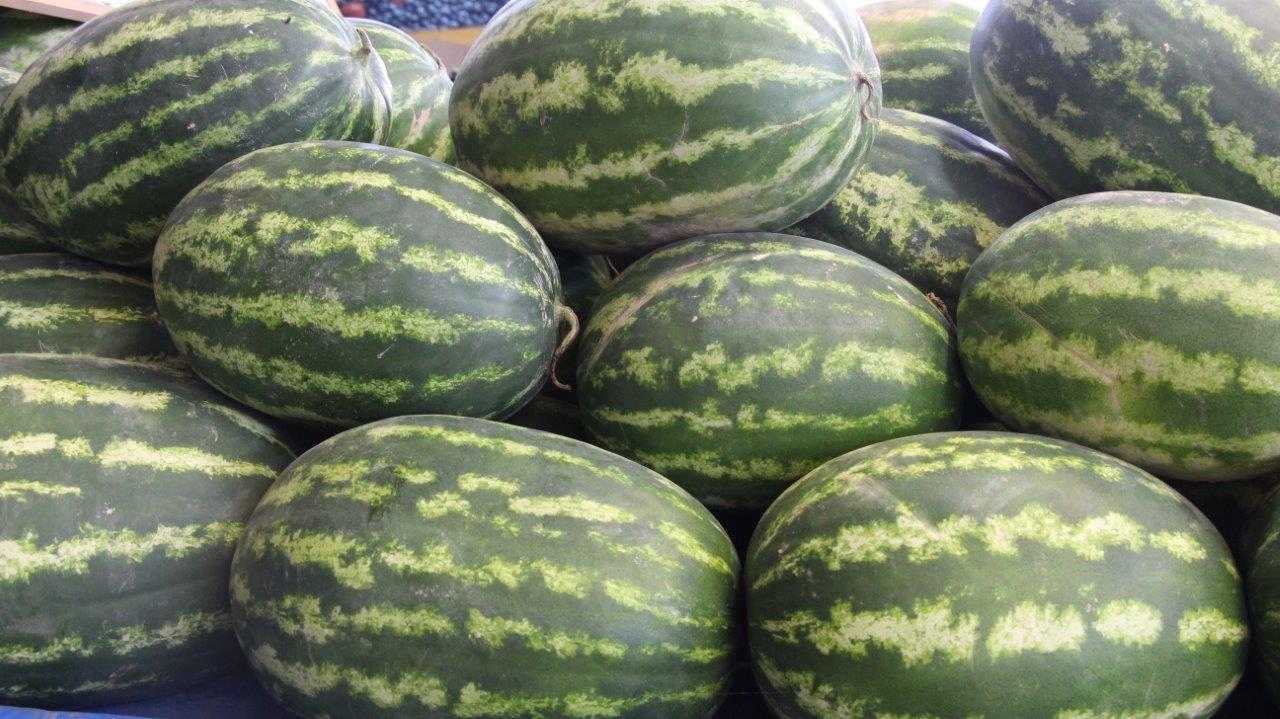
Osmaneli Karpuzu (Geographic Sign Portal)
The history of watermelon cultivation in Osmaneli dates back to the early years of the Republic, and inscriptions indicate that it has been produced in the region since the 1550s. In 2022, following an application made by the Osmaneli Municipality in collaboration with the Bilecik Şeyh Edebali University Vocational School, the product received geographical indication status. This registration aims to increase the economic value of Osmaneli watermelon and open access to new markets.
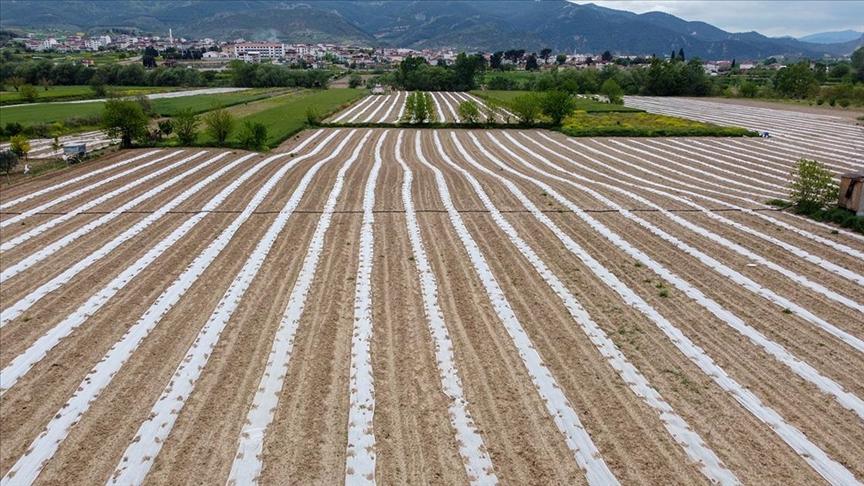
Osmaneli Karpuzu Üretimi (AA))
The Osmaneli district has alluvial soils carried by the Sakarya River and suitable climatic conditions. Located at the transition point between the Black Sea, Mediterranean and Central Anatolian climates, the region provides an ideal environment for watermelon cultivation. Particularly, the soil’s richness in potassium and calcium, combined with optimal water balance and the absence of physiological disorders, enhances fruit quality.
As of 2023, the cultivated area reached 10,000 dunams. On a broader scale, production takes place on approximately 50,000 dunams of land along the Sakarya River valley. Osmaneli watermelon is marketed primarily in the Marmara Region, as well as in Central Anatolia and the Black Sea Region.
Watermelon is the primary source of income for farmers in Osmaneli. During harvest season, approximately 500 seasonal workers are employed daily, while transporters and intermediaries also generate income from the process. In 2022, the harvest reached around 200,000 tons, and with proper care and efficient cultivation, this figure is projected to reach 250,000 tons.
However, producers complain about the gap between farm gate prices and retail market prices. In 2023, producers reported that they sold watermelons at approximately 1 lira per kilogram on the farm, while supermarkets sold them at a minimum of 10 lira per kilogram. Rising input costs—fertilizer, diesel and labor—have reduced producer profits, while intermediaries earn significantly higher incomes.
The Osmaneli watermelon contributes not only to producers but also to the regional economy. It has become a vital source of livelihood for families through employment generated in agriculture, transportation and marketing. For farmers, it plays a key role in meeting social and economic needs such as weddings and debt repayment.
Anadolu Ajansı. “Tescillenen ‘Osmaneli karpuzu’ ilçeye katma değer katacak.” Anadolu Ajansı (AA), June 1, 2023. Accessed August 16, 2025. https://www.aa.com.tr/tr/yasam/tescillenen-osmaneli-karpuzu-ilceye-katma-deger-katacak/2911811.
Anadolu Ajansı. “‘Osmaneli karpuzu’nun son fideleri toprakla buluşuyor.” Anadolu Ajansı (AA), June 4, 2022. Accessed August 16, 2025. https://www.aa.com.tr/tr/ekonomi/osmaneli-karpuzunun-son-fideleri-toprakla-bulusuyor/2605419.
Türk Patent ve Marka Kurumu. "Osmaneli Karpuzu." Coğrafi İşaretler. Accessed August 16, 2025. https://ci.turkpatent.gov.tr/cografi-isaretler/detay/2548.

Product | Osmaneli Watermelon | ||||||||
|---|---|---|---|---|---|---|---|---|---|
Region(s) | Bilecik – Osmaneli Sakarya River Valley | ||||||||
Registration | 2023, Turkish Patent and Trademark Office (Geographical Indication) | ||||||||
Feature(s) | Unique taste and durability aroma | ||||||||
Production | 50,000 dunams of land – 200,000 to 250,000 tons of yield | ||||||||
Harvest Period | July – September | ||||||||
Market | Marmara, Central Anatolia, Black Sea regions | ||||||||
Contribution | High contribution to the district economy and employment | ||||||||
No Discussion Added Yet
Start discussion for "Osmaneli Watermelon" article
History and Registration
Production and Geographic Characteristics
Economy and Employment
Socio-Economic Contributions