

This article was automatically translated from the original Turkish version.
Product / Product Group(s) | Bread-based dish | ||||||||
|---|---|---|---|---|---|---|---|---|---|
Regional Origin | Various Anatolian regions including Karaman, Amasya and Giresun | ||||||||
Consumption Method | Typically served for breakfast or as a snack | ||||||||
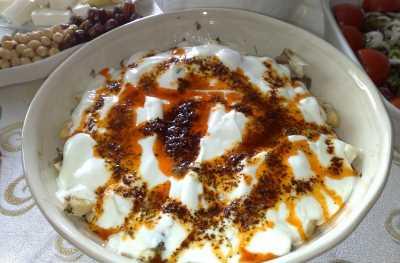
Papara is a dish consumed in Turkish cuisine. It is primarily prepared by soaking stale bread in liquid or yogurt-based mixtures, sometimes enriched with vegetables or meat products. This practice, which centers on utilizing stale bread, emerged historically as both an economical and practical solution.
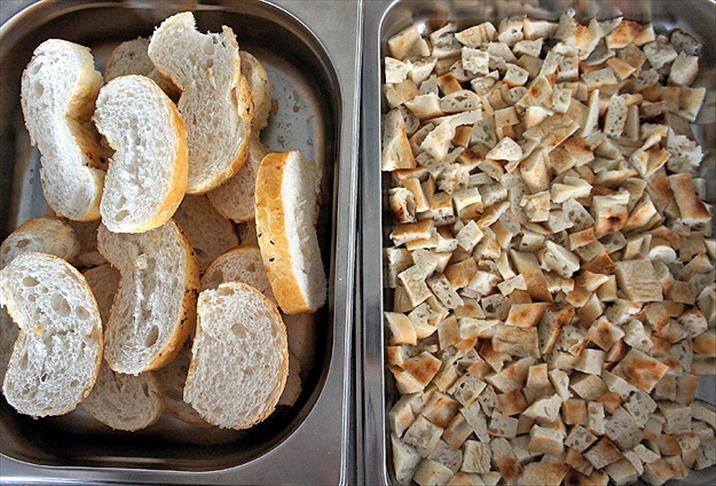
Ebread Used in the Preparation of Various Papara Types (Anadolu Agency)
Papara is prepared in various forms across different regions of Türkiye. Local recipes and preparation methods have been preserved in cities such as Karaman, Amasya, and Giresun. In Karaman, bread is typically soaked in water or milk, while in Amasya, yogurt or a mixture of yogurt and milk is used. In Giresun, papara is commonly known as a type of meze made from stale bread and served as a breakfast or snack item. Regional variations create differences in flavor and texture based on ingredient selection and preparation techniques.
Papara primarily consists of stale bread, water, milk, or yogurt. Its preparation varies by region. The bread is cut into small pieces and then soaked in liquid ingredients. In some recipes, eggs, butter, cheese, or fresh herbs are added to enhance the dish’s nutritional value and aroma. After soaking for several minutes, the mixture is stirred and served. The consistency of the dish varies depending on the amount of liquid used and the degree of staleness of the bread.
Papara is typically consumed during breakfast or light meals. It also contributes to household economy by making use of stale bread. The diversity found in regional recipes helps preserve and transmit local culinary traditions. Although prepared with simple ingredients, the method of preparation and additional components reflect local culinary practices.
Anadolu Ajansı. “Bayat Ekmekle Muhteşem Lezzet.” Accessed December 15, 2025. https://www.aa.com.tr/tr/ekonomi/bayat-ekmekle-muhtesem-lezzet/277143
Giresun Kültür of Culture and Tourism. "Papara." Accessed December 15, 2025. https://giresun.ktb.gov.tr/TR-216408/papara.html
Kültür Portalı. "Ekmek Aşı (Papara)." Accessed December 15, 2025. https://www.kulturportali.gov.tr/turkiye/amasya/neyenir/ekmek-asi-papara
Kültür Portalı. "Papara." Accessed December 15, 2025. https://www.kulturportali.gov.tr/turkiye/karaman/neyenir/papara526094

Product / Product Group(s) | Bread-based dish | ||||||||
|---|---|---|---|---|---|---|---|---|---|
Regional Origin | Various Anatolian regions including Karaman, Amasya and Giresun | ||||||||
Consumption Method | Typically served for breakfast or as a snack | ||||||||
Regional Distribution
Ingredients and Preparation Method
Consumption and Cultural Context