


This article was automatically translated from the original Turkish version.
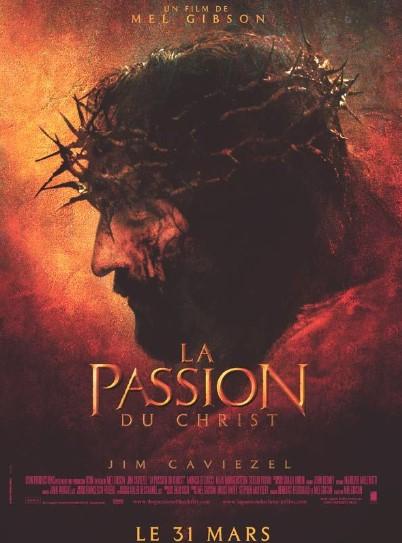
Tutku: Hz. İsa’nın Çilesi (English: The Passion of the Christ) is an epic drama film released in 2004 and directed by Mel Gibson, depicting the final 12 hours of Jesus Christ’s life before his crucifixion. The lead roles are played by Jim Caviezel (Jesus Christ), Maia Morgenstern (Mary, the Mother of Jesus), and Monica Bellucci (Mary Magdalene). The film draws attention for its detailed portrayal of the Christian concept of the “Passion” and for being shot in the original languages of the period: Aramaic, Latin, and Hebrew. The production generated intense debate due to its graphic depictions of physical violence and religious symbolism, yet it reached a vast audience during its release.
The film opens with Jesus Christ praying in the Garden of Gethsemane. He is then arrested by Roman soldiers following Judas’s betrayal and brought before the Sanhedrin Council for trial. Under pressure from Jewish religious leaders and the crowd, Governor Pontius Pilatus sentences him to crucifixion. Jesus’s scourging, crowning with thorns, and crucifixion are portrayed through graphic and dramatic scenes. The film also vividly portrays the profound suffering of Jesus’s mother Mary, his apostles, and Mary Magdalene, concluding with his final words and breath on the cross.
Trailer ()
Jim Caviezel – Jesus Christ
Maia Morgenstern – Mary, the Mother of Jesus
Monica Bellucci – Mary Magdalene
Hristo Shopov – Pontius Pilatus
Francesco De Vito – Peter
Luca Lionello – Judas Iscariot
Claudia Gerini – Claudia, wife of Pilatus
Rosalinda Celentano – Satan
The film was shot in Matera and the Cinecittà Studios in Italy. Director Mel Gibson employed natural sets and traditional cinematic techniques to reflect the historical authenticity and atmosphere of the period. The use of Aramaic, Latin, and Hebrew in the dialogue was made possible through weeks of language training for the actors, resulting in naturalistic performances. The film’s visual language was shaped by inspiration from classical artworks, with lighting and color used to heighten dramatic intensity.
Upon its release, The Passion of the Christ attracted widespread global attention and sparked considerable controversy. The film’s graphic scenes of torture and violence were deemed excessive by some viewers. Criticism was also directed at its portrayal of Jewish figures. Nevertheless, Jim Caviezel’s performance, the film’s music, and its set design received widespread acclaim. The film earned over 600 million dollars globally and became one of the highest-grossing religious-themed films of all time.
The film stands out as one of the most detailed cinematic portrayals of the Christian “Passion” narrative. Its commitment to traditional faith, use of original languages, and visual direction granted it an unprecedented place in cinema history for a film of its genre. Mel Gibson’s direction and artistic vision have initiated new discussions on the role of religious narratives in modern cinema.

No Discussion Added Yet
Start discussion for "Passion: The Suffering of Jesus Christ (Film)" article
Plot
Cast
Production
Reception
Significance