


This article was automatically translated from the original Turkish version.
+2 More
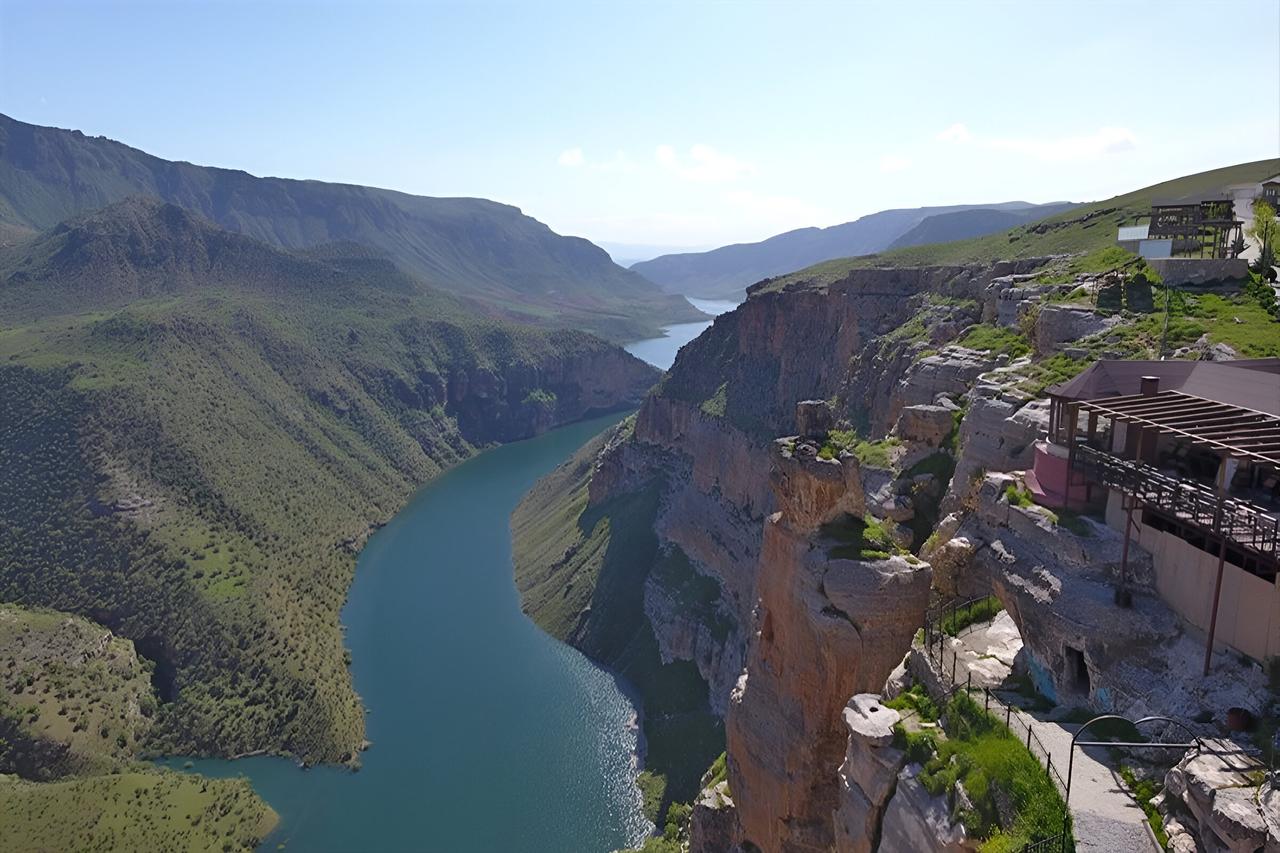
Delikli Stone (Rasıl Hacar) is a natural formation and tourist area located in the Botan Valley of Siirt Province in Türkiye. This area, known as place and associated with Rasıl Hacar Hill and Taşbaşı Cave, attracts the attention of local and foreign tourists with its unique landscapes, natural beauty, and historical texture. Located approximately four kilometers southeast of Siirt city center, region overlooks the Botan River (Uluçay) from a height of 350 meters and has become one of the new destinations for nature enthusiasts.
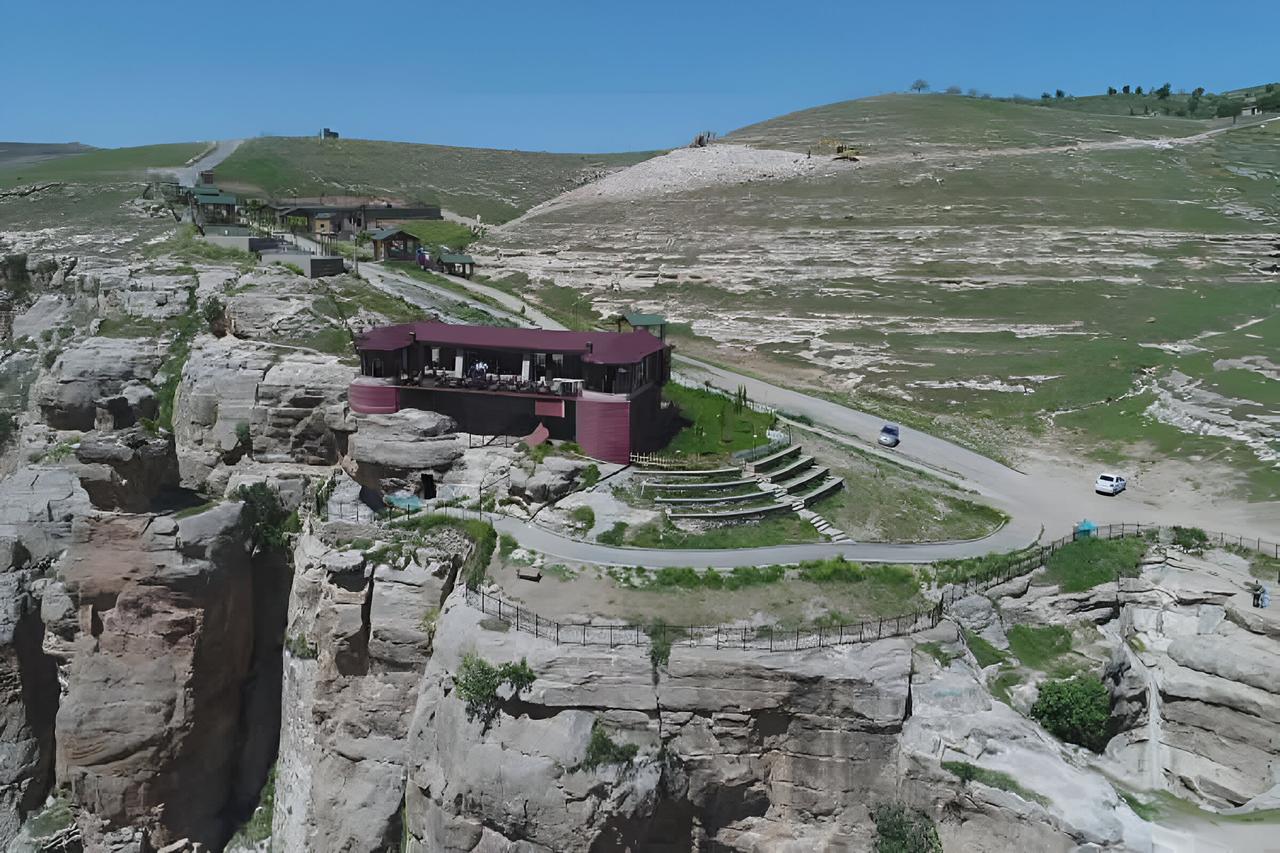
A visual related to Delikli Taş (Siirt Municipality)
Rasıl Hacar Hill is a natural elevation reaching approximately 350 meters in height, named after the distinctive perforated rock in the region. Positioned to offer a bird’s-eye view of the Botan Valley, this hill draws attention with its landscape, natural landscape features, and resting areas. Visitors can climb the rocky terrain to capture panoramic views of the valley while experiencing the region’s natural environment. The symbolic feature of the hill, the “Delikli Taş,” stands out as one of the most prominent natural formations in the area due to its commanding position over the valley.
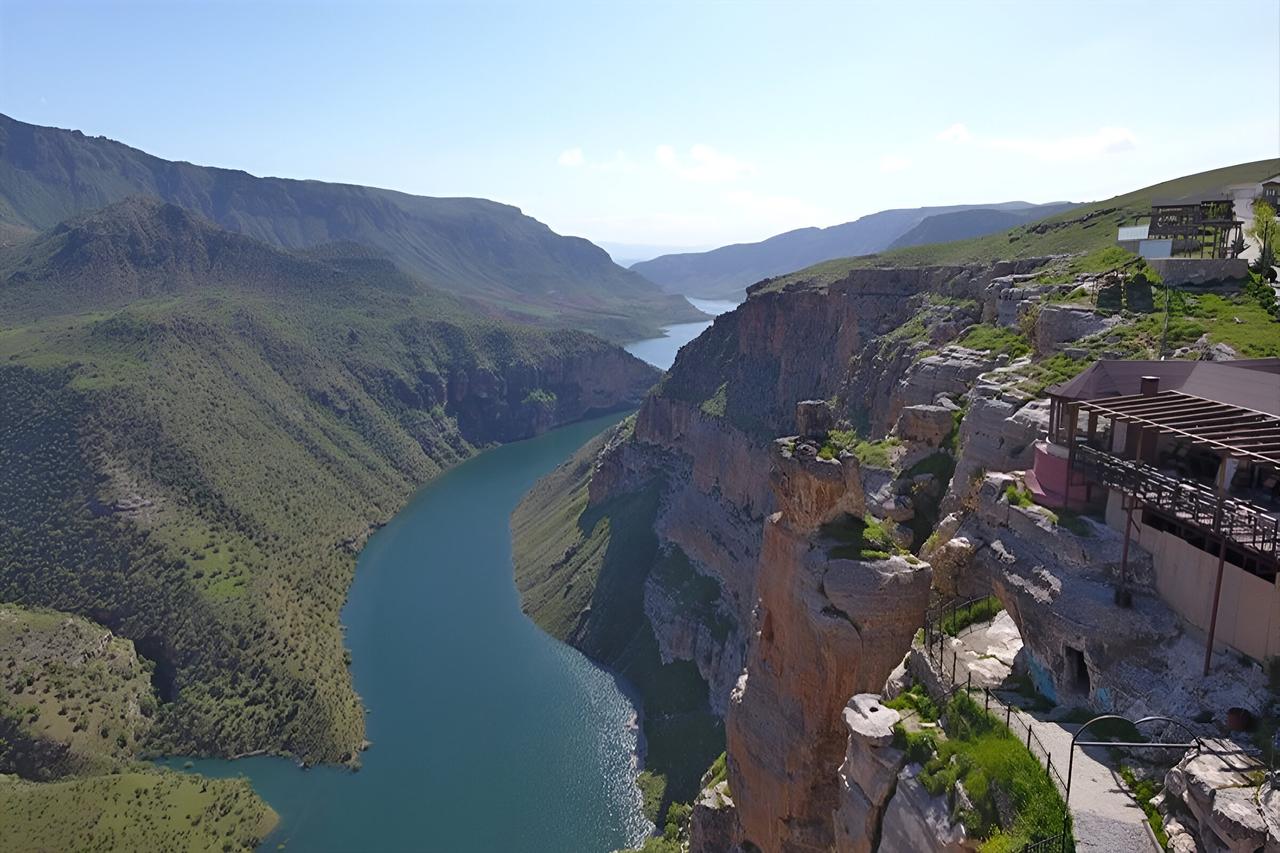
A visual related to Delikli Taş (Siirt Municipality)
Taşbaşı Cave is situated immediately beside Delikli Taş, overlooking the Uluçay (Botan River). Located approximately four kilometers southeast of the center of Siirt Province, the cave was formed by the erosion of limestone cliffs dating back to prehistoric times. Archaeological findings reveal that the cave was used as a shelter in antiquity, with visible traces of tool-carved markings on its interior surfaces. The cave consists of two distinct sections, with a central small opening providing an internal space passage between them. Its accessibility to visitors free of charge is one of the factors enhancing its tourist appeal.
A large rock formation located adjacent to the cave, known locally as the “jumping rock,” vertical stands out due to its structure. The name derives from young visitors who leap between the two rocks to demonstrate their courage. The Jumping Rock contributes to the region’s cultural landscape as a original element, valued both for its natural geomorphological form and its functional and symbolic meaning among the local population.
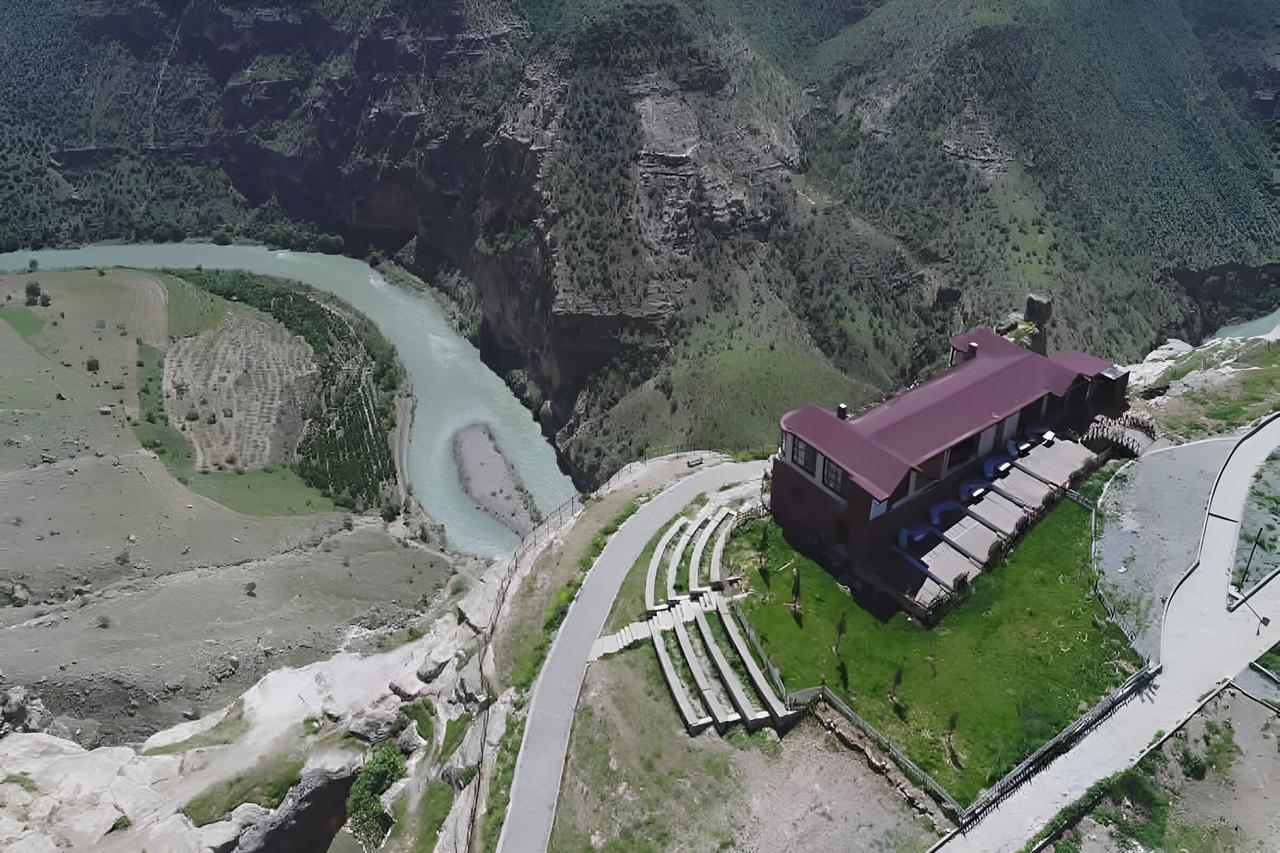
A visual related to Delikli Taş (Siirt Municipality)
Delikli Taş and Taşbaşı Cave occupy a unique location offering a high vantage point to observe the winding course of the Botan River. The view of the Uluçay (Botan River) flowing below, combined with the surrounding rocky formations and the cave’s natural structure, provides visitors with a visually rich experience. The area ranks among Siirt’s most prominent tourist destinations due to its historical shelters and natural landscape elements. Known locally as Rasıl Haca, Delikli Taş, with the panoramic views of the Botan Valley and the historical significance of Taşbaşı Cave, serves as an attractive destination for those interested in nature and culture tourism.
Anadolu Ajansı. "Botan Vadisi’ne Tepeden Bakış İlgi Görüyor." Foto Galeri. Accessed March 30, 2025. https://www.aa.com.tr/tr/pg/foto-galeri/botan-vadisine-tepeden-bakis-ilgi-goruyor/0.
Fırat Üniversitesi Gazetesi. “Siirt’in Güzellikleri: Botan Vadisi ve Delikli Taş.” Accessed March 30, 2025. https://gazete.firat.edu.tr/siirtin-guzellikleri-botan-vadisi-ve-delikli-tas.html.
Siirt Belediyesi. "Taşbaşı Delikli Taş." Accessed March 30, 2025. https://www.siirt.bel.tr/tasbasi-deliklitas.
Siirt Valiliği. "Taşbaşı Delikli Taş Siirt." Accessed March 30, 2025. http://www.siirt.gov.tr/tasbasi-deliklitassiirt.


Rasıl Hacar Hill
Taşbaşı Cave
Jumping Rock
Natural and Historical Value