


This article was automatically translated from the original Turkish version.
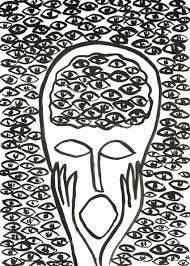
Image depicting persistent delusional disorder
Main Statement | Persistent delusions lasting more than one month | ||||||||
|---|---|---|---|---|---|---|---|---|---|
Most Common Type | Persecutory type (delusions of being followed) | ||||||||
Treatment | Antipsychotics + CBT | ||||||||
Prognosis | Partial recovery is possible; social isolation worsens prognosis | ||||||||
Persistent Delusional Disorder is a psychotic disorder characterized by one or more delusions that persist for at least 1 month. Unlike schizophrenia, prominent hallucinations, disorganized speech, or negative symptoms are absent. It is classified as “Delusional Disorder” in DSM-5 and has six subtypes.
American Psychiatric Association. DSM-5-TR: Diagnostic and Statistical Manual of Mental Disorders. Washington, DC: American Psychiatric Association, 2022.
Manschreck, Thomas C. "Delusional Disorder: Clinical and Neurobiological Perspectives." Psychiatric Clinics of North America 43, no. 4 (2020): 593–606.
Munro, Alistair. Delusional Disorder: Paranoia and Related Illnesses. Cambridge: Cambridge University Press, 2017.

Image depicting persistent delusional disorder
Main Statement | Persistent delusions lasting more than one month | ||||||||
|---|---|---|---|---|---|---|---|---|---|
Most Common Type | Persecutory type (delusions of being followed) | ||||||||
Treatment | Antipsychotics + CBT | ||||||||
Prognosis | Partial recovery is possible; social isolation worsens prognosis | ||||||||
No Discussion Added Yet
Start discussion for "Persistent Delusional Disorder (Paranoid)" article
Clinical Features
1. Diagnostic Criteria (DSM-5)
Etiology and Risk Factors
1. Biological Factors
2. Psychosocial Factors
Differential Diagnosis
Treatment Approaches
1. Pharmacotherapy
2. Psychotherapy
3. Hospitalization
Prognosis and Course