


This article was automatically translated from the original Turkish version.
Pilavuna is a traditional Cypriot pastry whose main ingredients are halloumi cheese, dried mint, and, optionally, raisins. This pastry, prepared for centuries by both Turkish Cypriots and Greek Cypriots, is commonly made during holiday seasons and religious celebrations. It is also known in Turkish as “Kıbrıs çöreği” and is considered an important element of Turkish Cypriot cuisine.
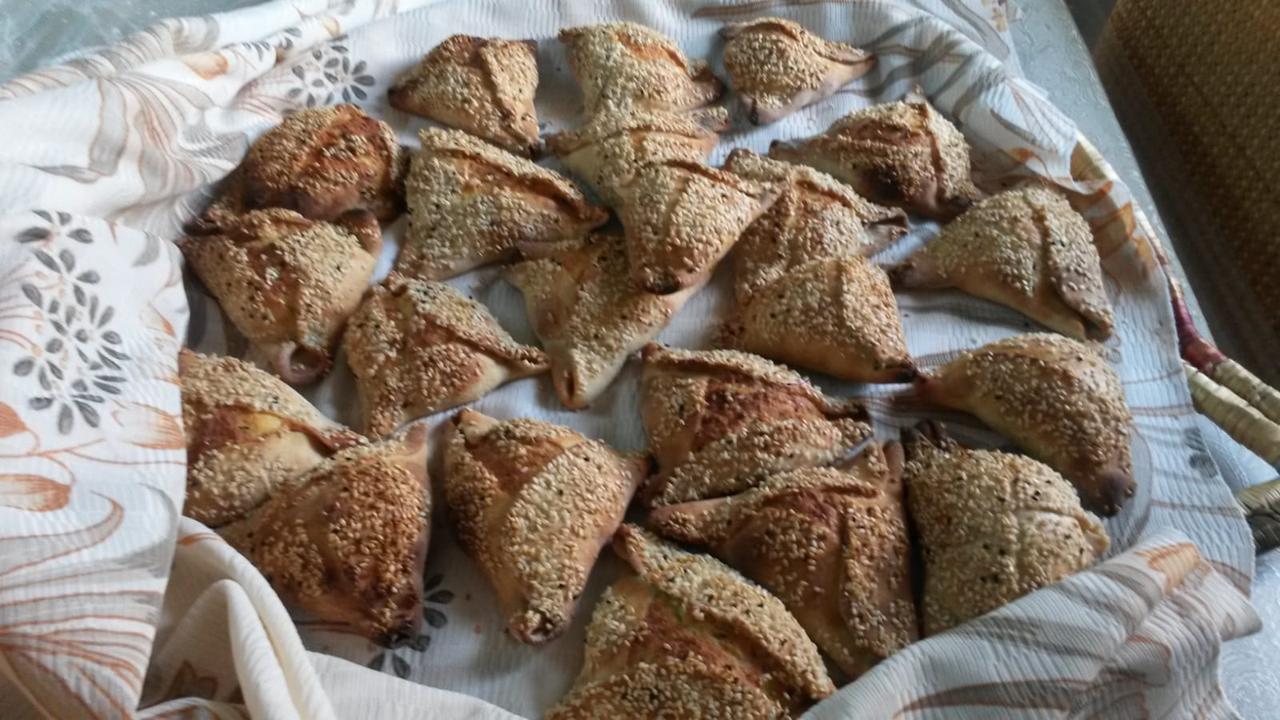
Pilavuna (Cyprus Turkish Culture Association)
The origins of pilavuna are rooted in Cyprus’s centuries-old culinary traditions. It stands out as one of the few dishes embraced by both Turkish Cypriots and Greek Cypriots. The Turkish version is traditionally served during Ramadan and holiday meals, while the Greek Cypriot version is typically prepared around Easter.
The pilavuna dough is made from flour, milk (or yogurt), yeast, egg, and fat (olive oil or butter). The filling consists of grated halloumi cheese and dried mint. Some recipes also include raisins and sugar to achieve a balanced sweet-savory flavor. After being filled with the mixture, the dough is sealed, brushed with egg yolk, sprinkled with sesame seeds, and then baked in an oven.
Pilavuna has a golden-brown, slightly crisp exterior and a soft, aromatic interior. Its shape is typically a closed half-moon or a round pastry. It can be served both warm and cold, and is commonly enjoyed alongside tea, at breakfast, or as a snack.
Various versions of pilavuna exist across different regions of Cyprus. Some recipes incorporate spices such as mahlep or cinnamon, or other herbs. Today, communities living outside Cyprus also prepare it, often adapting the recipe to use local cheeses and available ingredients.
Anadolu Ajansı. "KKTC Turizmde Rotayı Kültür, Deniz, Doğa, Sağlık ve Gastronomiye Çevirdi." Accessed May 1, 2025. Link
Kıbrıs Türk Kültür Derneği. "Pilavuna." Accessed May 1, 2025. Link
Lezzet.com. "Pilavuna Tarifi: Pilavuna Nasıl Yapılır?" Accessed May 1, 2025. Link
Visit North Cyprus. "Pilavuna." Accessed May 1, 2025. Link

Origin and Cultural Context
Preparation
Structural Characteristics
Regional Variations