

This article was automatically translated from the original Turkish version.
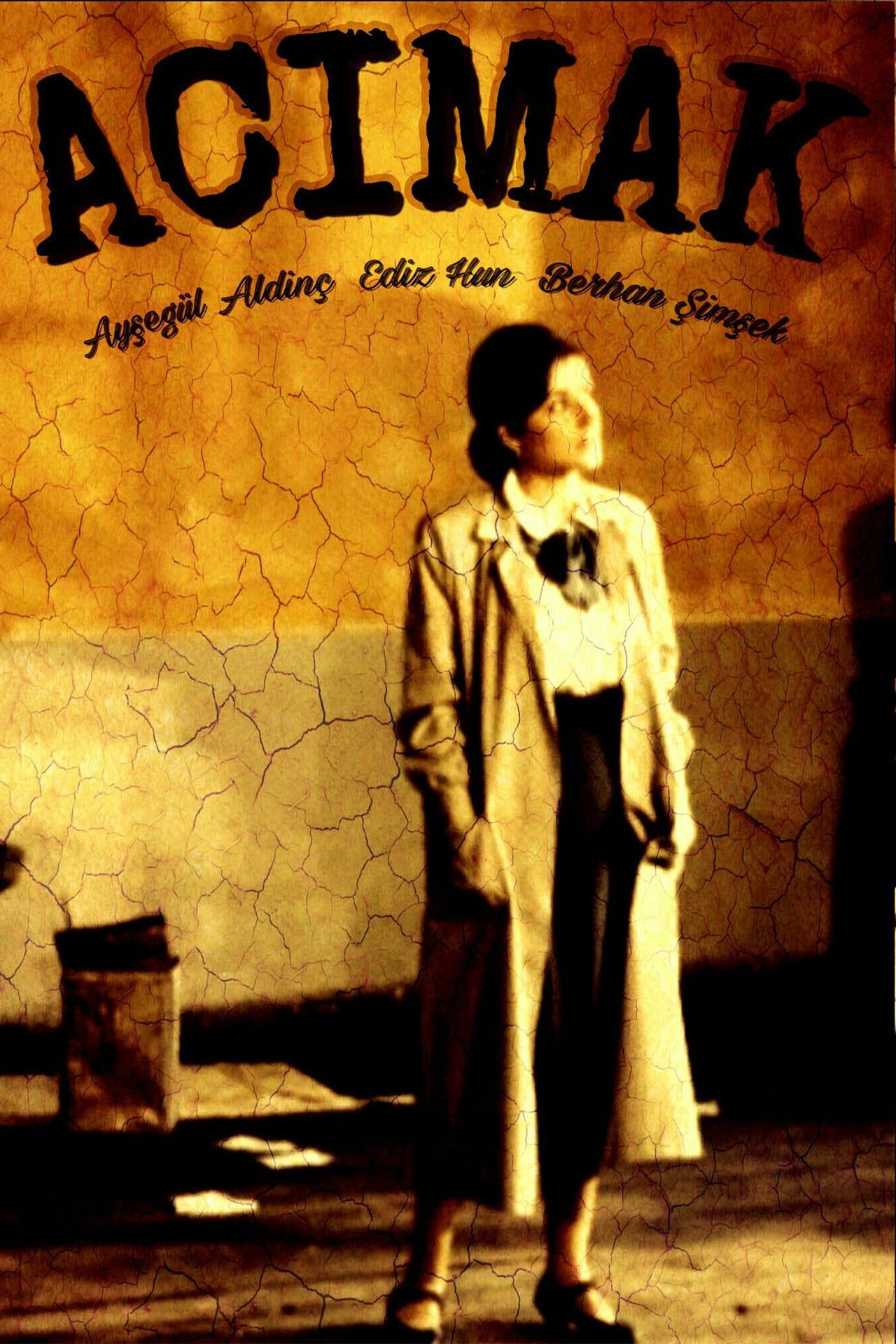
Acımak is a television series adapted from the novel of the same name by Reşat Nuri Güntekin, one of the prominent figures of Turkish literature, originally published on TRT 1. This 1985 production is recognized as one of the significant literary adaptations in Turkish television history. Directed by Orhan Aksoy, the series consists of seven episodes.
The main character of the series, Teacher Zehra, grew up devoid of empathy due to the difficulties she experienced with her father during childhood. Influenced by past events related to her father, she displays a cold and distant attitude toward others. Zehra’s life begins to change when she receives a notebook from her father on his deathbed. The writings inside the notebook about her father’s life prompt Zehra to reevaluate her perspective on the past and her emotional responses to people. Zehra was raised believing her father to be rigid and cruel, but reading his journals forces her to confront the misjudgments she made in the past.
About the Series Acımak (TRT Archive)
The series Acımak is regarded as a landmark production that significantly increased interest in literary adaptations on Turkish television upon its release in 1985.
The social and cultural impact of the series can be summarized as follows:
The television adaptation of Reşat Nuri Güntekin’s novel Acımak successfully brought the story to a broader audience. At a time when literacy rates were low in certain segments of society, this production made a vital contribution to the popularization of literature. The character of Zehra, as a female protagonist, encouraged societal questioning of gender norms and raised awareness about women’s rights and individual freedom by exploring women’s emotional worlds, their roles within the family, and the challenges they faced.
The series focuses on the consequences of misunderstandings within families and offers a critical portrayal of the family structure of the era through the father-daughter relationship. Zehra’s profession as a teacher highlights the role of educators not merely as transmitters of knowledge but as essential guides in children’s personal development, sparking public discourse on the social function of teaching. Furthermore, the central theme of “acımak” (compassion) strengthened empathy among viewers. The message that people should not be judged by their outward appearance and that events should be understood from multiple perspectives shaped the moral framework of the series.
The television series Acımak, sharing the same title as Reşat Nuri Güntekin’s novel, follows a similar narrative and character development but differs in presentation style and focus on details. The novel provides a detailed exploration of the psychological foundations behind Zehra’s rigid personality and her internal conflicts, while also offering rich depictions of the social and cultural atmosphere of Turkey during that period. The series, constrained by its limited runtime and the demands of visual storytelling, conveys this inner depth through dialogue, acting performances, and visual elements.
The novel’s extensive and detailed chronicle of events across a broad time span is translated into the series through supporting elements such as setting, costume, and music. However, due to its limited number of episodes, the series narrows its focus on secondary characters and details, centering effectively on Zehra’s transformation and her discovery of empathy through her father’s journal. In this regard, the novel offers a deeper psychological and sociological analysis, while the series stands out for its visual intensity and dramatic impact.

Plot
Cast and Characters
Social and Cultural Impact
Comparison of the Series and the Novel