


This article was automatically translated from the original Turkish version.
Planned obsolescence is a strategy in which products are deliberately designed with a limited useful life, thereby encouraging consumers to purchase new products after a certain period. The concept was first introduced in 1932 by Bernard London in his article titled “Ending the Depression Through Planned Obsolescence”. London proposed this strategy as a solution to exit the 1929 Global Economic Crisis. He argued that product lifespans should be determined by the state and that products reaching their designated end-of-life should be destroyed to ensure continuous production and consumption. This radical proposal never became state policy, but the concept of planned obsolescence later evolved and became widespread, particularly within market-driven production and consumption systems.
In the 1950s, Brooks Stevens defined planned obsolescence as “using the consumer’s desire to have something a little newer, a little better.” This definition reveals that planned obsolescence is not merely a technical strategy but also a perceptual and cultural one.
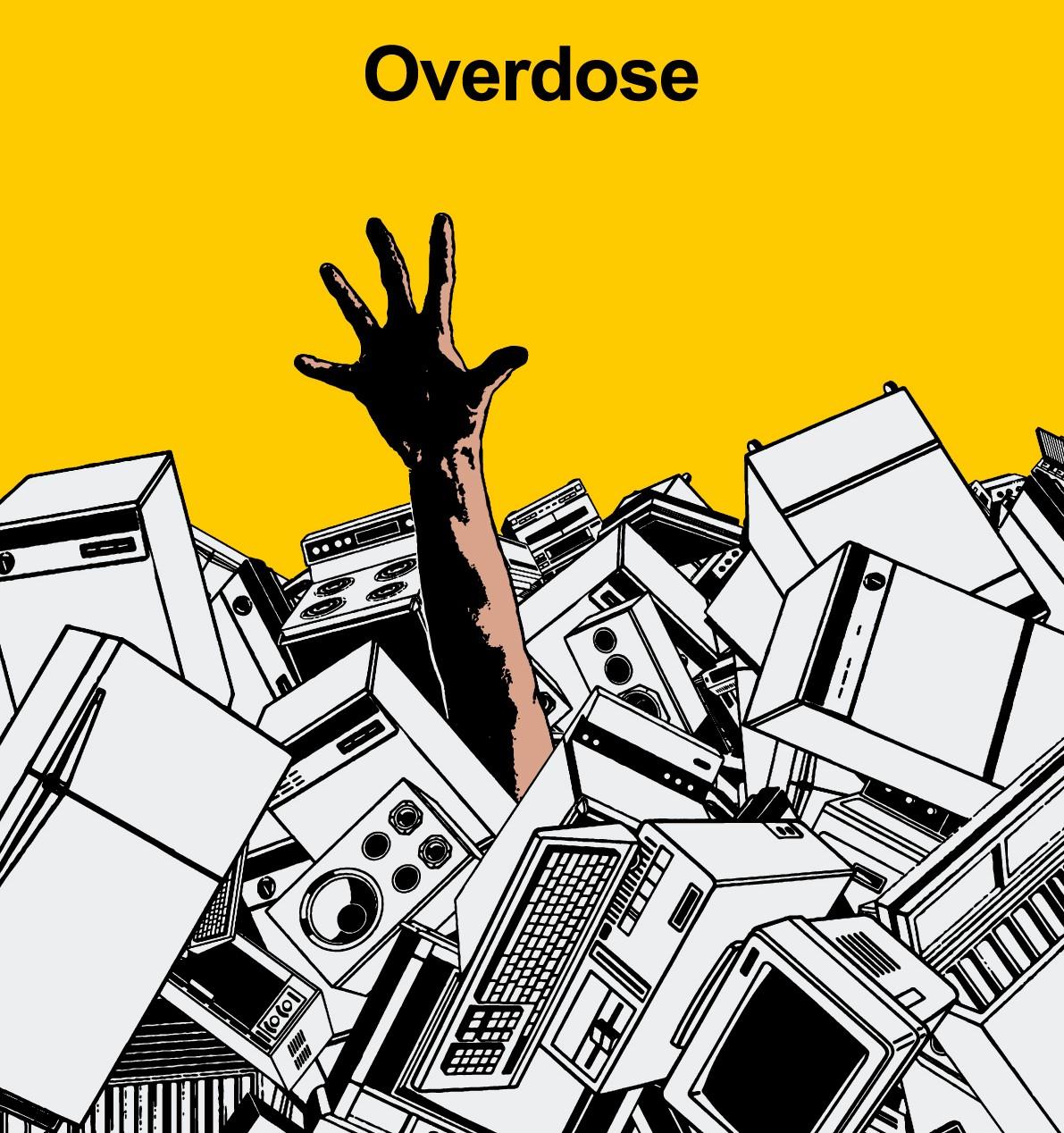
Poster on Excessive Consumption (Flickr)
Planned obsolescence is implemented in various forms. The most commonly encountered types in the literature are:
Planned obsolescence is not merely an economic strategy but also a cultural and sociological product of consumer society. To sustain consumption, individuals are kept in a state of dissatisfaction. The “new” is rapidly rendered “old.” This dynamic triggers in individuals a constant desire to remain current and acquire what is perceived as prestigious and fashionable.
According to Yanıklar and Yanık (2024), planned obsolescence has become both a market strategy and a cultural norm. Particularly within the post-Fordist production system, product cycles have accelerated, and consumer capitalism has been built upon a value system that elevates transience. As a result, the consumer now requires not only functional but also symbolic and aesthetic novelty.

Discount Poster (Pexels)
Strategies of planned obsolescence influence consumer cognitive, emotional, and behavioral attitudes. According to the experimental study by Çerçi and Tosun (2021), even when consumers are exposed to emotional and cognitive messages in advertisements, no significant change in their attitudes toward planned obsolescence is observed. This indicates that tendencies toward planned obsolescence are shaped not merely by advertising but by a broader cultural and economic context.
Nevertheless, advertisements support perceptual obsolescence by emphasizing the novelty of products.
Planned obsolescence promotes rapid consumption cycles while contributing to environmental problems. The shortened lifespan of products increases waste volumes and leads to the unsustainable consumption of natural resources. In this context, the development of sustainable production and consumption models has become inevitable.
Planned obsolescence is a multidimensional phenomenon of modern consumer society. It is viewed not only as a business strategy but also as a tool that shapes consumer culture. This strategy, applied in psychological, functional, and systematic forms, directly influences consumer habits, values, and relationships with the environment. Increasing consumer awareness and knowledge is essential for fostering sustainable consumption behaviors.
Dombres, Christopher. “Planned Obsolescence.” Photograph. Flickr. Accessed June 26, 2025. https://www.flickr.com/photos/christopherdombres/23265152514/in/photostream/lightbox/
Fischer, Max. “Kırmızı Beyaz Baskılı Kutu.” Photograph. Pexels. Accessed June 26, 2025. https://www.pexels.com/tr-tr/fotograf/kirmizi-beyaz-ask-baski-kutusu-5872186/
Kanlıtepe, Melek Aydın, and Engin Özgül. 2021. “Tüketicilerin Planlı Eskitme Konusunda Bilgi ve Bilinç Düzeyleri: Nitel Bir Araştırma.” *İzmir İktisat Dergisi* 36, no. 4: 961–979. Accessed June 26, 2025. https://dergipark.org.tr/en/download/article-file/1868850
Yanıklar, Cengiz, and Güler Yanık. 2024. “Tüketim Toplumunda Tüketime Sevk Etme Araçlarından Biri Olarak Planlı Eskitme Üzerine Sosyolojik Bir Tartışma.” *İmgelem* 15: 1–26. Accessed June 26, 2025. https://dergipark.org.tr/en/download/article-file/4297992
Çerçi, Merve, and Nurhan Tosun. 2021. “Planlı Eskitme Kavramı Bağlamında Tüketici Tutumları.” *Türkiye İletişim Araştırmaları Dergisi* 37: 1–19. Accessed June 26, 2025. https://dergipark.org.tr/tr/download/article-file/1536520
Types of Planned Obsolescence
The Sociological Dimension of Planned Obsolescence
Consumer Attitudes and the Role of Advertising
Environmental and Economic Consequences
