


This article is not approved yet.
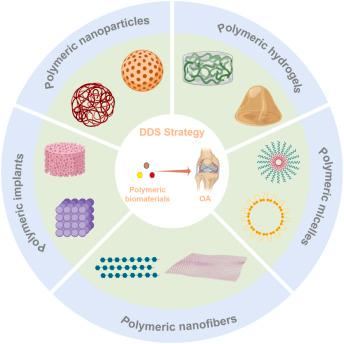
https://www.sciencedirect.com/science/article/pii/S2405844023087522
Polymeric biomaterials are versatile organic macromaterials characterized by diverse physical, mechanical, and chemical properties, making them highly suitable for applications across medical diagnostics, therapeutic delivery, and regenerative medicine, owing to their inherent biocompatibilty.
. They can be broadly categorized into:
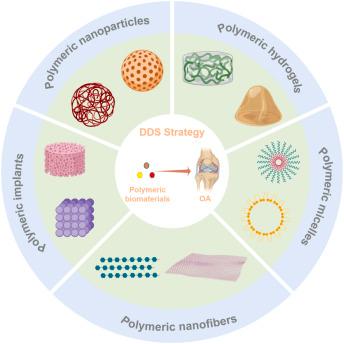
Polimeric Biomaterials-ScienceDirect
The concept of macromolecules emerged from Staudinger’s pioneering work in the early 20th century; polymer science gained broad recognition during the 1930s, especially through Carothers' work on linear polymers. Since then, polymers have become integral to medicine—from single-use disposables (syringes, tubing) to complex implants and biomolecule excipients (e.g., dextran, insulin)
Polymeric biomaterials are manufactured in various forms, including:
Tissue Engineering & Regenerative Medicine
Drug Delivery & Nanomedicine
Wound Care
Biosensing & Prosthetics
Smart & Stimuli-Responsive Systems

https://www.sciencedirect.com/science/article/pii/S2405844023087522
No Discussion Added Yet
Start discussion for "Polimeric Biomaterials" article
Polymeric Biomaterials
Definition and Classification
Historical Perspective
Material Forms and Fabrication Techniques
Key Properties and Functional Advantages
Biomedical Applications
Current Trends & Future Outlook
This article was created with the support of artificial intelligence.