


This article was automatically translated from the original Turkish version.
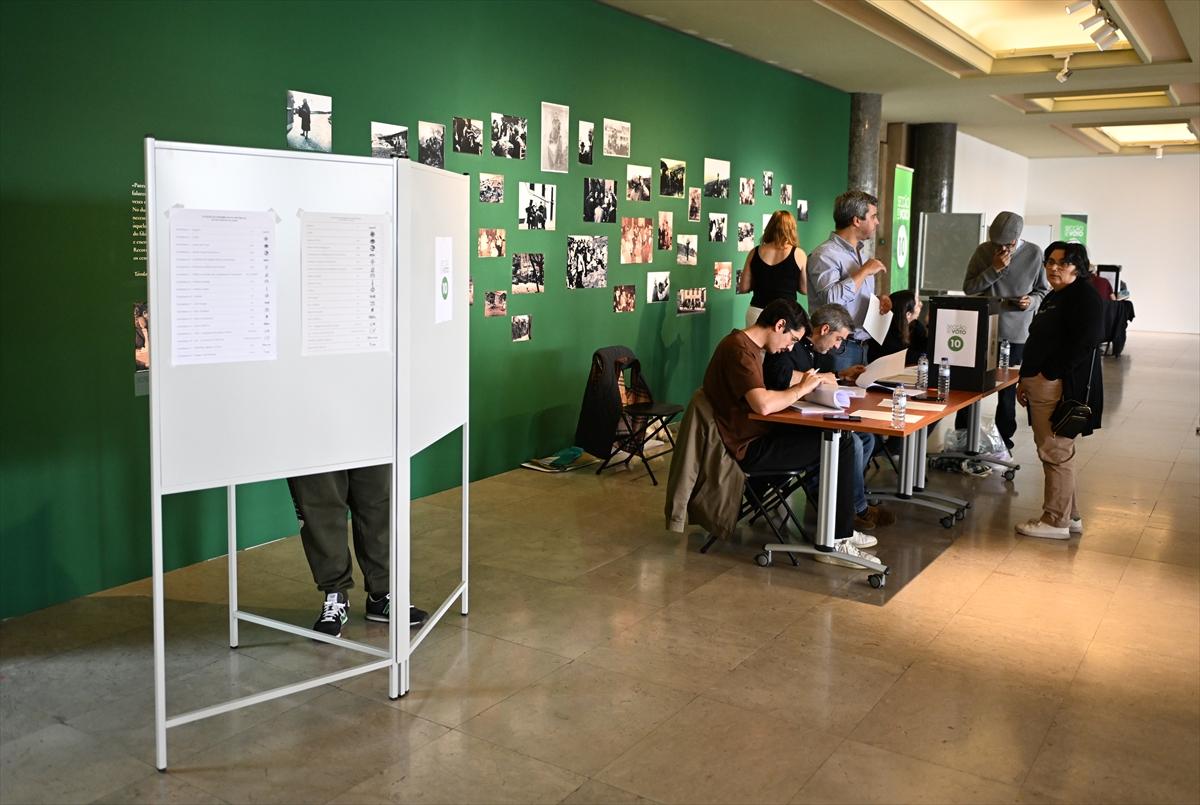
2025 Portugal General Elections
Election Date | 2025-05-18 | ||||||||
|---|---|---|---|---|---|---|---|---|---|
Elected Assembly | Assembly of the Republic (Assembleia da República) | ||||||||
Election Type | Early general election | ||||||||
Total Seats | 230 | ||||||||
Number of Voters | 10.8 million | ||||||||
Voter Turnout Rate | 64.38% | ||||||||
The 2025 Portuguese General Elections were the third parliamentary election held in the country’s political history within three years. Held on 18 May 2025 to determine the new members of the 230-seat Assembly of the Republic, the elections had the character of a snap general election. The vote resulted in victory for the center-right Democratic Alliance (AD) led by incumbent Prime Minister Luis Montenegro, but no party achieved the absolute majority of 116 seats required to form a government alone.
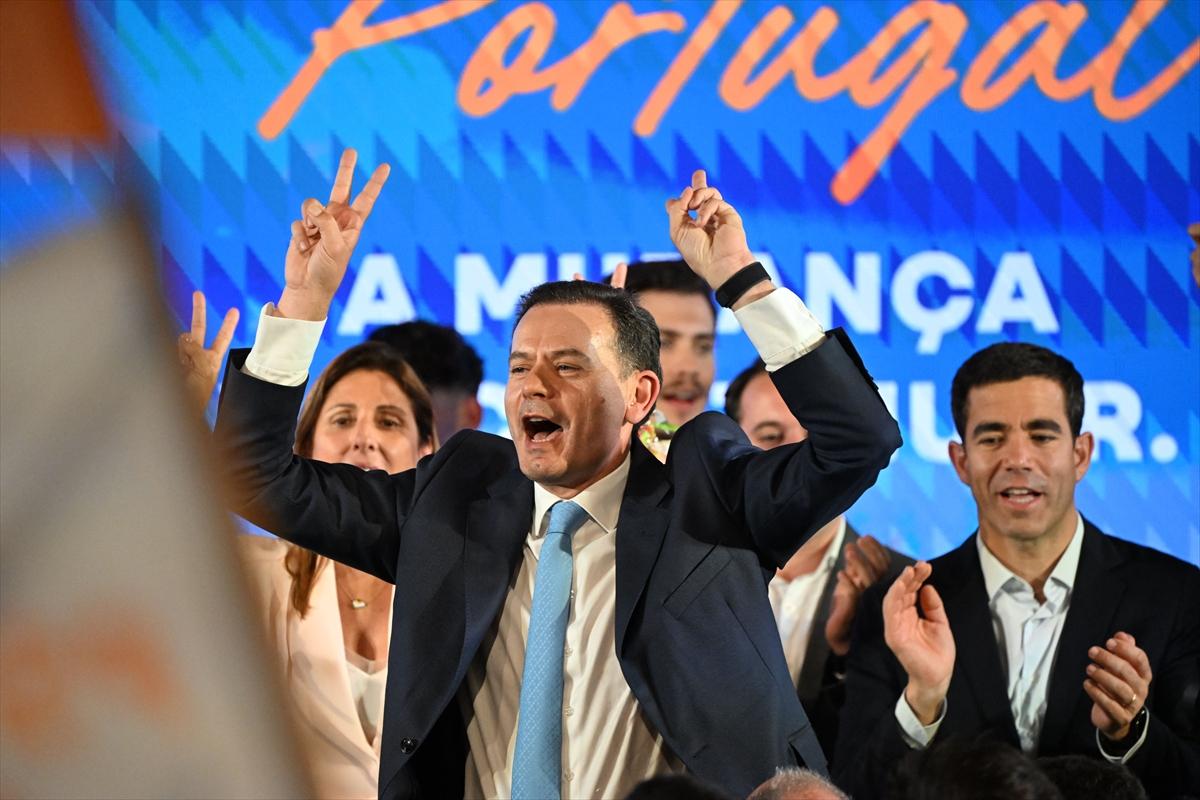
Portugal’s Prime Minister Montenegro, winner of the election, 19 May 2025 – Anadolu Agency
The 2025 Portuguese General Elections were held on 18 May 2025 following a decision for early elections taken in March 2025. The vote was triggered after the incumbent government of Prime Minister Luis Montenegro, leading the Democratic Alliance (AD), failed to secure a vote of confidence in Parliament. The dissolution of Parliament and the call for early elections came amid ethical allegations involving a consulting firm linked to members of the Prime Minister’s family.
The AD coalition, formed between the Social Democratic Party (PSD) and the CDS–People’s Party (CDS-PP), had assumed office after the previous election as a minority government. This government under Montenegro lasted approximately one year. Following the loss of parliamentary confidence, President Marcelo Rebelo de Sousa exercised his constitutional authority to dissolve the Assembly and announce the date for early elections.
This snap election, held just 14 months after the previous vote, placed Portugal second among European Union countries to hold three general elections within a decade, behind Bulgaria, which held more elections during the same period.
Voting in the 2025 snap general elections began at 08:00 local time on Sunday, 18 May 2025, and concluded at 19:00. Voters cast their ballots at polling stations across Portugal and at diplomatic missions abroad. In the election to determine 230 members of Parliament, the highest number of seats were allocated to the capital Lisbon (48) and Porto (40).
According to data from the Superior Electoral Commission and the Ministry of Internal Administration, the total number of registered voters in Portugal was approximately 10.8 million, including around 1.5 million Portuguese citizens living abroad. Votes cast abroad played a decisive role in determining seat allocations for some parties.
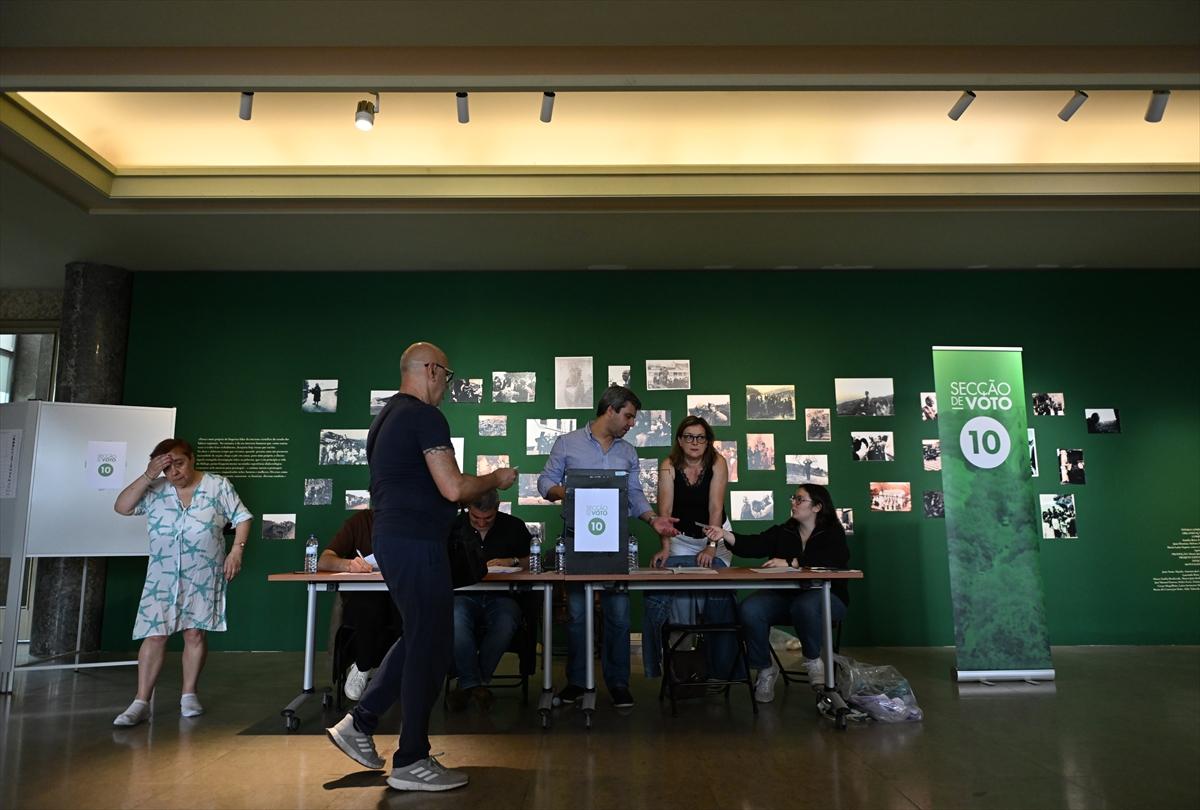
2025 Portuguese General Elections, 18 May 2025 – Anadolu Agency
The voter turnout was recorded at 64.38%, showing an increase compared to the 2024 elections. In addition to valid votes, 1.44% were blank ballots and 0.99% were invalid (null) votes. A total of 5,965,322 voters participated in the election.
Prior to the election, more than 333,000 voters registered to vote early, the highest number ever recorded since the early voting system was introduced in Portugal.
President Marcelo Rebelo de Sousa, in a public address before the election, emphasized that voting is a democratic responsibility and urged citizens to go to the polls. This appeal was not part of any official campaign but was made within the framework of his constitutional powers to encourage electoral participation.
Following the 2025 general elections, a total of 226 parliamentary seats have been allocated; four seats remain unassigned due to incomplete counting of overseas votes. As of 19 May, 99.23% of polling stations had been counted.
The Democratic Alliance (Aliança Democrática – AD) received 32.10% of the vote and secured 86 seats. Including three additional seats won by AD components in Madeira, its total rose to 89. This result increased the AD’s seat count compared to the previous election, but it fell short of the 116 seats needed for an absolute majority.
The Socialist Party (Partido Socialista – PS) won 58 seats with 23.38% of the vote. The far-right Chega party, also winning 58 seats, received 22.56% of the vote. Both parties now hold equal representation in Parliament; this balance may shift depending on the final distribution of overseas votes.
The liberal Iniciativa Liberal (IL) party won 9 seats with 5.53% of the vote. The Livre party secured 6 seats with 4.20%, and the CDU coalition of the Communist Party and the Greens won 3 seats with 3.03%. The Left Bloc (BE) saw its representation drop from five to one seat. The People for Nature and Animals Party (PAN) won one seat with 1.36% of the vote.
Additionally, the Juntos Pelo Povo (JPP) party, with 0.34% of the vote, gained one seat in Parliament. The remaining smaller parties failed to win any seats. Blank ballots accounted for 1.44% and invalid ballots for 0.99%. A total of ten parties and coalitions gained parliamentary representation, preserving Portugal’s multi-party structure.
The 2025 general elections revealed significant numerical changes for several political parties compared to previous electoral cycles. The Democratic Alliance (AD) increased its seat count from 80 in the 2024 elections to 86, reaching a total of 89 seats after adding three seats won in Madeira.
The Socialist Party (PS), which won 120 seats in 2022 and 78 in 2024, retained 58 seats in this election.
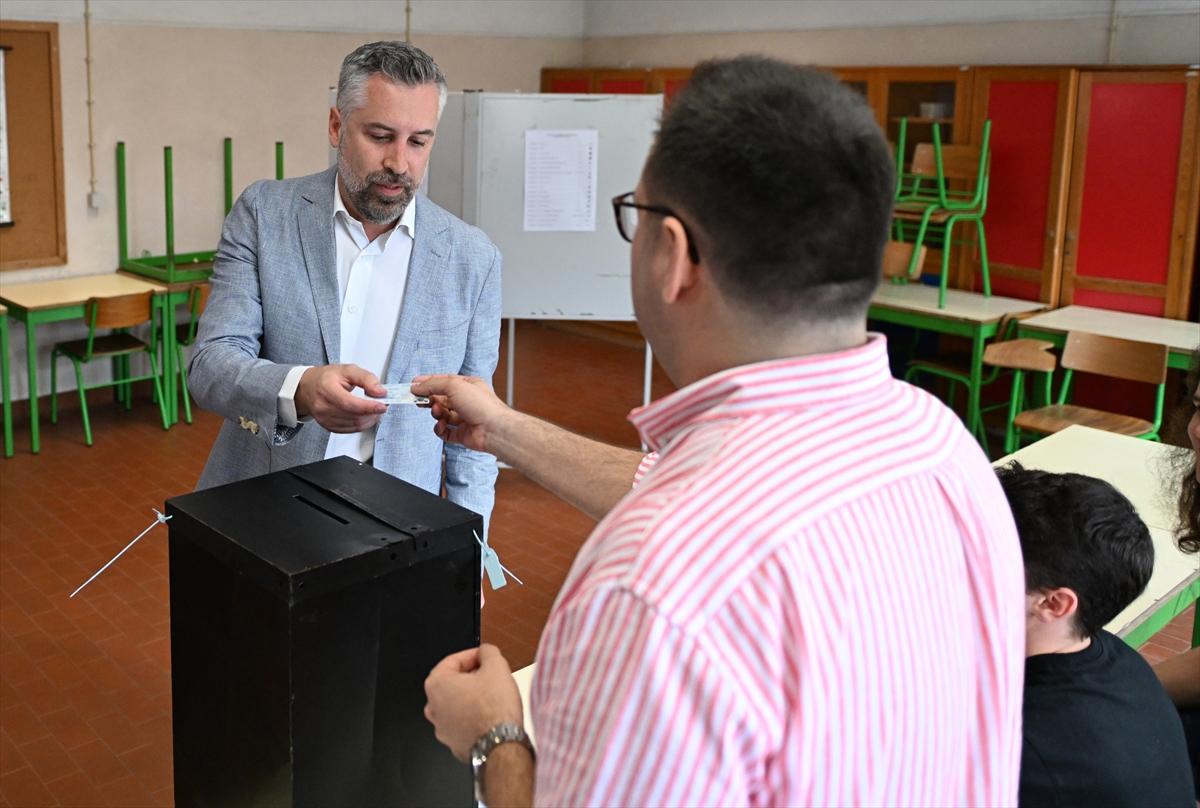
PS leader Pedro Nuno Santos casting his vote at a vote center in Lisbon, 18 May 2025 – Anadolu Agency
Chega increased its seat count from 50 in the previous election to 58, tying with the PS for the second-largest bloc. Party leader André Ventura transformed his party, which won 12 seats in 2022 and 50 in 2024, into one of the country’s most represented political groups within just three years.
Iniciativa Liberal (IL), which held 8 seats in the 2024 elections, increased its representation to 9 seats. Party leader Rui Rocha, in his election night statement, acknowledged only a modest increase compared to the previous term and accepted responsibility for the campaign’s outcome.
Livre party increased its seat count from 4 in the previous election to 6. Party leader Rui Tavares described the result as the beginning of a transformation. CDU lost one seat and now holds 3 in Parliament. CDU representative Paulo Raimundo emphasized that support from young voters was decisive in the campaign.
The Left Bloc (BE) lost four of its five seats from the 2024 elections, retaining only one. Party leader Mariana Mortágua characterized the result as a clear defeat and announced the initiation of an internal party review. With this outcome, BE now ranks behind both Livre and CDU.
Juntos Pelo Povo (JPP) sent its first-ever member to Parliament in this election. This political formation, rooted in Madeira, won single representation with 0.34% of the vote.
Democratic Alliance (AD) leader and Prime Minister Luís Montenegro, in a speech at the Lisbon election center on election night, stated that voters had chosen to retain him as prime minister and affirmed his commitment to forming a government. He declared, “The Portuguese people want this prime minister, not another.” Montenegro emphasized that he would not enter into any agreement with the far-right Chega party and called on other political parties to consider the election results and act responsibly.
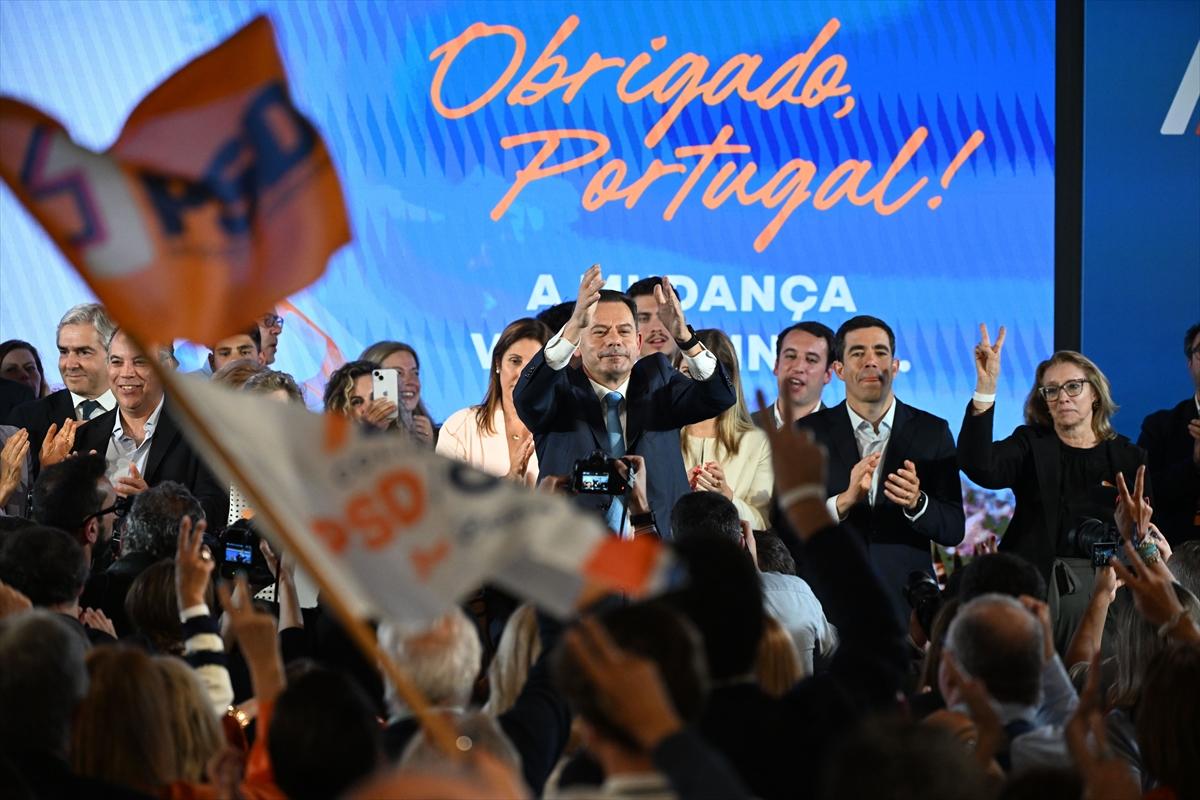
Montenegro delivering a victory speech at his party’s headquarters, 19 May 2025 – Anadolu Agency
Socialist Party leader Pedro Nuno Santos announced his resignation as party president and his intention to convene an extraordinary congress. He also declared he would not seek re-election and argued that, following the electoral defeat, PS should not assume responsibility for forming a government, stating that supporting the current administration was not the duty of his party.
Chega leader André Ventura, in evaluating the election result, declared that his party had ended Portugal’s two-party dominance since 1974 and announced that Chega had become the country’s second-largest political force. He stated, “A situation unseen in Portugal since 1974 is now taking place. Chega has become the second-largest party.” While indicating that future government formation would depend on Chega, he did not clarify his party’s stance on legislative support.
Al Jazeera. “Portuguese PM’s Party Set to Win General Election, Fall Short of Majority.” Al Jazeera. Accessed May 19, 2025. https://www.aljazeera.com/news/2025/5/18/portuguese-pms-party-set-to-win-general-election-fall-short-of-majority
Anadolu Ajansı. "Portekiz’de Erken Genel Seçimlerde Oy Kullanma İşlemi Başladı." Accessed May 19, 2025. https://www.aa.com.tr/tr/dunya/portekizde-erken-genel-secimlerde-oy-kullanma-islemi-basladi/3571987
Anadolu Ajansı. “Portekiz’de Sağ İttifak Seçimleri Kazandı, Aşırı Sağ Yükseldi, Sol Parti Çöktü.” Accessed May 19, 2025. https://www.aa.com.tr/tr/dunya/portekizde-sag-ittifak-secimleri-kazandi-asiri-sag-yukseldi-sol-parti-coktu/3572605
Anadolu Ajansı. “Portugal’s Center-Right Alliance Projected to Win Elections.” Accessed May 19, 2025. https://www.aa.com.tr/en/europe/portugal-s-center-right-alliance-projected-to-win-elections/3572596
Associated Press. “Portugal Election: Center-Right Coalition Wins, Falls Short of Majority.” AP News. Accessed May 19, 2025. https://apnews.com/article/portugal-election-politics-a7ad09455b14af8eb7722ac0008d96ed
BBC News. “Portugal Election 2025: Centre-Right Wins, No Majority.” BBC News. Accessed May 19, 2025. https://www.bbc.com/news/articles/c3e5v5lpddyo
BBC News. “Portugal Election 2025: Live Coverage.” BBC News Live. Accessed May 19, 2025. https://www.bbc.com/news/live/c74q57kydget
CNN. “Portugal’s Ruling Center-Right Alliance Wins Election.” CNN International. Accessed May 19, 2025. https://edition.cnn.com/2025/05/19/europe/portugals-ruling-center-right-alliance-wins-election-intl
Ministério da Administração Interna. “Resultados Globais – Legislativas 2025.” Accessed May 19, 2025. https://www.legislativas2025.mai.gov.pt/resultados/globais
RTP Notícias. “Legislativas 2025: O Fecho das Urnas, as Projeções e a Contagem dos Votos.” RTP. Accessed May 19, 2025. https://www.rtp.pt/noticias/eleicoes-legislativas-2025/legislativas-2025-o-fecho-da-urnas-as-projecoes-e-a-contagem-dos-votos_e1655708#article_content_1655465
UOL Notícias. "Resultado das Eleições Legislativas em Portugal." Accessed May 19, 2025. https://noticias.uol.com.br/internacional/ultimas-noticias/2025/05/18/resultado-eleicao-portugal.htm

2025 Portugal General Elections
Election Date | 2025-05-18 | ||||||||
|---|---|---|---|---|---|---|---|---|---|
Elected Assembly | Assembly of the Republic (Assembleia da República) | ||||||||
Election Type | Early general election | ||||||||
Total Seats | 230 | ||||||||
Number of Voters | 10.8 million | ||||||||
Voter Turnout Rate | 64.38% | ||||||||
No Discussion Added Yet
Start discussion for "Portuguese General Elections (May 2025)" article
Background and Decision for Snap Elections
Voting Process and Voter Behavior
Parliamentary Distribution and Voting Results
Party Performances and Strategic Shifts
Leaders’ Statements and Political Orientations