


This article was automatically translated from the original Turkish version.
In architecture, ratio and proportion refers to the systematic set of mathematical and visual relationships established between spatial elements to ensure that buildings form a balanced and harmonious whole, both functionally and aesthetically. Ratio defines the quantitative relationship between parts within a building or spatial whole, or between a part and the whole; proportion ensures the harmonious and continuous relationship among these ratios. These relationships not only determine the physical dimensions and geometric organization of a structure but also directly influence its relationship with the surrounding environment, perceptual impact on users, and aesthetic unity.
In the architectural design process, ratio and proportion are decisive elements not only in the creation of form and shape but also in the psychological and physical relationship between space and its users. In spatial organization, balancing dimensions such as height, width and depth; adhering to proportions suitable for human scale; and ensuring comfort in movement areas and perceptibility of space are of great importance. In facade designs, ratio and proportion are carefully composed according to aesthetic concerns such as the balance of openness and solidity, rhythm, perspective effect, and compositional unity.
In the structural system of a building, ratio and proportion are used not only to ensure structural stability but also to regulate the visual relationship between structural elements and space. The placement of columns, opening ratios, and mass-composition balance determine both the durability and aesthetic impact of a structure. Furthermore, ratio and proportion serve as a powerful tool in the production of symbolic and cultural meanings in architecture; the repetition of specific ratios in sacred buildings, monumental architecture, and public spaces deepens the symbolic value of the structure and the impression it leaves on observers.
In this context, ratio and proportion are not merely technical tools of architectural arrangement but fundamental design principles that enrich the layers of meaning in space and bridge the gap between human scale and structural integrity. In this sense, they continue to be indispensable tools in achieving balance among aesthetic, functional and perceptual dimensions.
The systematic use of the concepts of ratio and proportion in architecture extends back to Ancient Greek and Roman civilizations. In Ancient Greece, different architectural systems such as the Doric, Ionic and Corinthian column orders were developed to achieve aesthetic and structural harmony; these systems were designed according to specific mathematical ratios based on criteria such as column diameter, height and architrave proportions. During this period, ratios were not only a structural necessity but also perceived as an aesthetic ideal.
In the Roman period, the architect and theorist Vitruvius, in his work De Architectura, systematically addressed the concepts of ratio, symmetry and order in architecture, arguing that buildings should be designed according to the ideal proportions of the human body. Vitruvius’s approach later inspired works such as Leonardo da Vinci’s Vitruvian Man and reinforced the idea of proportional relationships between the human body and architectural space.
In medieval Europe, Gothic architecture was a period in which ratio and proportion were intensively employed as both structural and aesthetic balancing tools. In Gothic cathedrals, height, light and volume were balanced to create dramatic spatial effects and a sacred atmosphere. During the same period, in the Islamic world, particularly in Seljuk and Ottoman architecture, ratio and proportion were treated as integral components of geometric order. The works of scholars such as Abu al-Wafa al-Buzjani and Ali Kuşçu contributed to the systematic integration of geometry and mathematical ratios into architectural design. Seljuk madrasas and Ottoman mosques, especially the central plan arrangement of the Selimiye Camii and the facade composition of the Karatay Medresesi, are important examples demonstrating how ratio was consciously applied to achieve structural organization and visual rhythm.
With the Renaissance, the human-centered design approach came to the forefront, and classical architectural traditions were reinterpreted through mathematical ratios. During this period, Leon Battista Alberti, in his treatise De Re Aedificatoria, argued that ratio and symmetry in architectural design were aesthetic necessities. Andrea Palladio, in his work I Quattro Libri dell’Architettura (The Four Books of Architecture), developed the ratio systems of Ancient Roman architecture and made them applicable to residential and public building designs. During this era, the Golden Ratio (1.618) and the Fibonacci sequence became fundamental mathematical systems used to establish aesthetic and structural balance, from floor plans to facade compositions.
In the 20th century, ratio and proportion in architecture became more scientific and systematic, aligned with functionalism and human-centered design. Le Corbusier developed the Modulor system, a modular design tool based on anthropometric measurements of the human body and related to the Golden Ratio and Fibonacci sequence. This system encouraged the rational and aesthetically balanced design of spaces in modern architecture with user comfort as a priority.
In contemporary architecture, the concept of ratio and proportion has evolved into a multi-layered and complex structure alongside advancing digital design technologies. Through parametric design and digital modeling methods, traditional ratio systems have been stretched to enable the creation of innovative and dynamic forms. Advanced software such as BIM (Building Information Modeling) allows for more precise and holistic control of ratio relationships between building components throughout the design and construction processes.
Thus, throughout history, ratio and proportion as tools of aesthetic and structural unity have, in the modern era, transformed into a multidimensional design strategy informed by multiple disciplines and continue to remain one of the fundamental elements of architectural expression.
Ratio and proportion are recognized as fundamental determinants of architectural space in terms of functionality, user comfort and aesthetic perception. Particularly axis systems and modular grids are important tools that enable the systematic application of ratio in spatial organization. Axis systems allow the structural elements and interior spatial divisions of a building to be positioned on a regular structural grid. As a result, column placements, wall alignments and opening arrangements are planned according to a specific rhythm and ratio.
Modular grid systems establish order through the repetition and multiplication of specific units in both plan and facade design. For example, standard module sizes such as 60x60 cm facilitate the creation of a consistent ratio system in flooring, ceiling and facade panels. This modular approach optimizes building components for both economic and structural efficiency while creating dimensional continuity and coherence between spaces.
In plan organization, the length-to-width ratio is also a critical proportional criterion that directly affects space quality. Ideal ratios are determined according to usage purpose to prevent volumes from being excessively narrow or unnecessarily wide. For instance, in residential spaces, the ideal length-to-width ratio for living rooms is maintained between 1.5 and 2, while this ratio may vary for multi-purpose halls or large gathering spaces. These ratios must be carefully determined according to their intended use to enhance spatial comfort and facilitate functional arrangements.
In facade design, ratio and proportion are among the most important determinants of a building’s external identity and aesthetic unity. Modular grids and axis systems are effectively employed here to create visual rhythm among design elements such as openness-to-solidity ratios, window and door dimensions, and floor heights.
In traditional architecture, specific geometric ratios and modulations are frequently preferred in facade arrangements; in modern architecture, this approach is applied based on mass ratios in materials and surface design. Particularly in large-scale projects, facade surfaces are designed using modular panels and openings of varying dimensions to break monotony and strengthen the architectural character.
In structural system design, the proportional determination of axis spacing ensures both the safety of the load-bearing system and flexibility in spatial organization. The distance between column axes and the positioning of load-bearing elements along these axes directly affect the balance of open and enclosed areas within the space.
For example, in office buildings, the distances between column axes must be determined by correct ratios to enable the creation of wide, open work areas without being overly frequent or excessively spaced. Similarly, the height of beams and their span ratios must be compatible with the scale and function of the building to enhance both structural balance and spatial volume quality.
In large-span spaces, properly proportioned structural systems enable the creation of open and uninterrupted interior volumes. In addition, using structural elements not only as functional components but also as aesthetic design elements strengthens architectural expression. Particularly in high-ceilinged and open structures, well-established proportional relationships provide both an impressive spatial experience and enable users to move freely within the space.
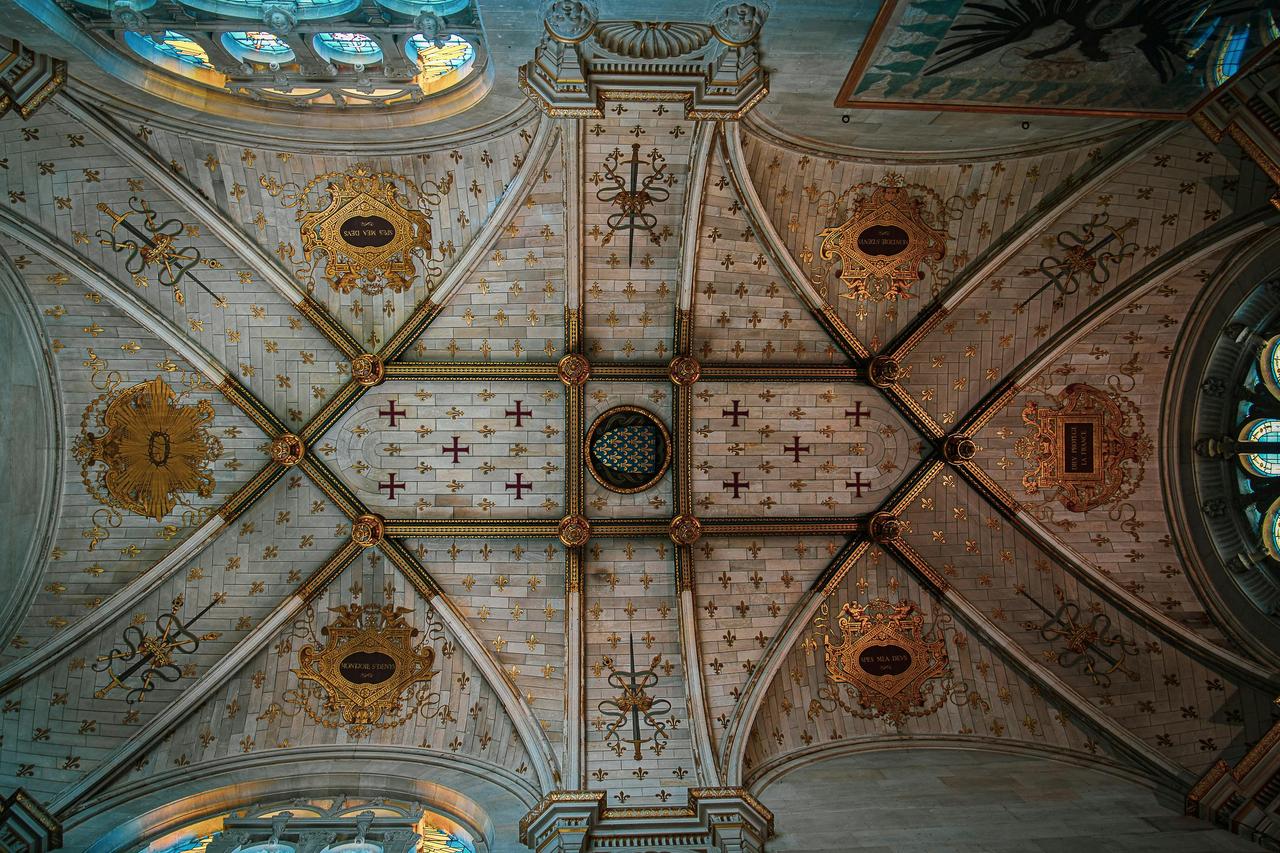
Ratio and Proportion in Architecture (Pexels, Mel Jlt)
The Golden Ratio is a proportion approximately equal to 1.618, long recognized as a universal symbol of aesthetic and mathematical harmony. This ratio appears spontaneously in numerous natural phenomena, both living and non-living; its traces are clearly visible in the spiral arrangement of sunflower seeds, the coils of snail shells, the structural patterns of pinecones and pineapples, and even in the spiral arms of galaxies. This natural order ensures the most efficient and balanced form of growth and structural organization.
In architectural design, these natural patterns of the Golden Ratio have served as inspiration, particularly in facade arrangements, plan organization, and the determination of volume proportions. Across numerous architectural works from Ancient Greek temples to Renaissance buildings, this concept of perfect balance provided by the Golden Ratio has been applied to create human-scaled, aesthetically balanced, and visually satisfying spaces.
In traditional Islamic architecture, the Golden Ratio has also been a frequently used principle in both structural organization and decorative arts. In monumental works such as the Edirne Selimiye Camii and the Istanbul Süleymaniye Camii, the proportional harmony and rhythm provided by the Golden Ratio have been observed in dome proportions, interior space openings, and facade compositions. These applications have not only endowed spaces with aesthetic balance but have also generated a sense of spiritual tranquility and symbolic depth in observers.

Ratio and Proportion in Architecture (Pexels, Konevi)
The Modulor is a proportional system developed by Le Corbusier, one of the leading figures of modern architecture, based on human body measurements. Le Corbusier argued that measurements in architecture must be derived directly from human scale and, in this direction, developed the Modulor system based on mathematical systems such as the Golden Ratio and the Fibonacci sequence, using anthropometric data.
The Modulor provides measurements aligned with idealized human dimensions and movement spaces, aiming to create spaces that are both functional and aesthetically balanced. This system, applied across a wide range from overall building dimensions to facade designs and furniture sizing, has become an important reference tool in modern architecture for enhancing user comfort and spatial harmony. The influence of this system is directly observable in housing projects designed by Le Corbusier, such as the Unité d’Habitation.

Le Corbusier-Modulor (Flickr)
The Fibonacci sequence is a mathematical progression in which each number is the sum of the two preceding numbers, and the ratios between successive numbers gradually approach the Golden Ratio. This sequence emerges naturally as a fundamental rule of growth and form formation. For example, the spiral arrangements of seeds in sunflowers and daisies, the phyllotaxis of leaves around stems, and the structures of pinecones clearly exhibit this spiral pattern. This arrangement enables plants to grow in the most efficient way to capture light and rainfall.
The spiral coils of snail shells and the growth forms of seashells also develop according to the Fibonacci sequence. On a cosmic scale, the spiral arms of galaxies follow this mathematical order, demonstrating that nature adheres to the same aesthetic principles at both small and large scales.
In architectural design, the Fibonacci sequence is used to reflect the aesthetic continuity of these natural forms, enhancing the visual dynamism and sense of balance in spaces. Particularly in organic architecture and parametric design approaches, the geometric relationships of this sequence play a significant role in generating complex forms and establishing structural balances. With today’s digital design tools, the Fibonacci sequence enables architects to produce balanced and fluid spaces that are both harmonious with natural forms and responsive to human perception.
These special ratio systems, which translate nature’s perfect order into the built environment, have been among the most powerful tools throughout history for simultaneously achieving aesthetic and functional harmony. Whether in the monumental structures of traditional architecture or in modern and digital design approaches, these systems continue to form the foundation of architecture’s enduring pursuit of timeless balance and harmony.

Fibonacci Sequence (Generated by Artificial Intelligence)
In architectural design, ratio and proportion not only determine the physical form and structural balance of buildings but also shape the perceptual depth, aesthetic value, and symbolic meanings carried by space. These mathematical and visual organizing tools transcend the functional requirements of architecture to become fundamental elements that define the spirit of spatial experience and the psychological impact on observers.
Especially in sacred and monumental buildings, ratio and proportion have been consciously employed to emphasize the sanctity and symbolic power of architectural space. Spatial elements such as high domes, long columns, and wide openings have been designed according to specific ratio systems, evoking powerful emotions such as awe, tranquility, and admiration in observers. This has not only created a visual effect but has also established a layer of meaning that reinforces the sacred or monumental function of the space.
Establishing the correct proportional relationship between building scale and human scale deepens the emotional and cognitive interaction between the individual and the built environment. Designing space at a scale that envelops the user generates feelings of belonging and security; while large and tall volumes are proportionally designed to foreground aesthetic emotions such as grandeur and awe.
Examining the history of art and architecture, numerous works—from ancient temples to Gothic cathedrals, from Seljuk and Ottoman architecture to symbolic structures of the modern era—have employed ratio and proportion not only to establish aesthetic order but also to create a powerful language of spatial expression. In this context, ratio and proportion are not merely design tools but fundamental carriers of meaning production and symbolic power in architecture.
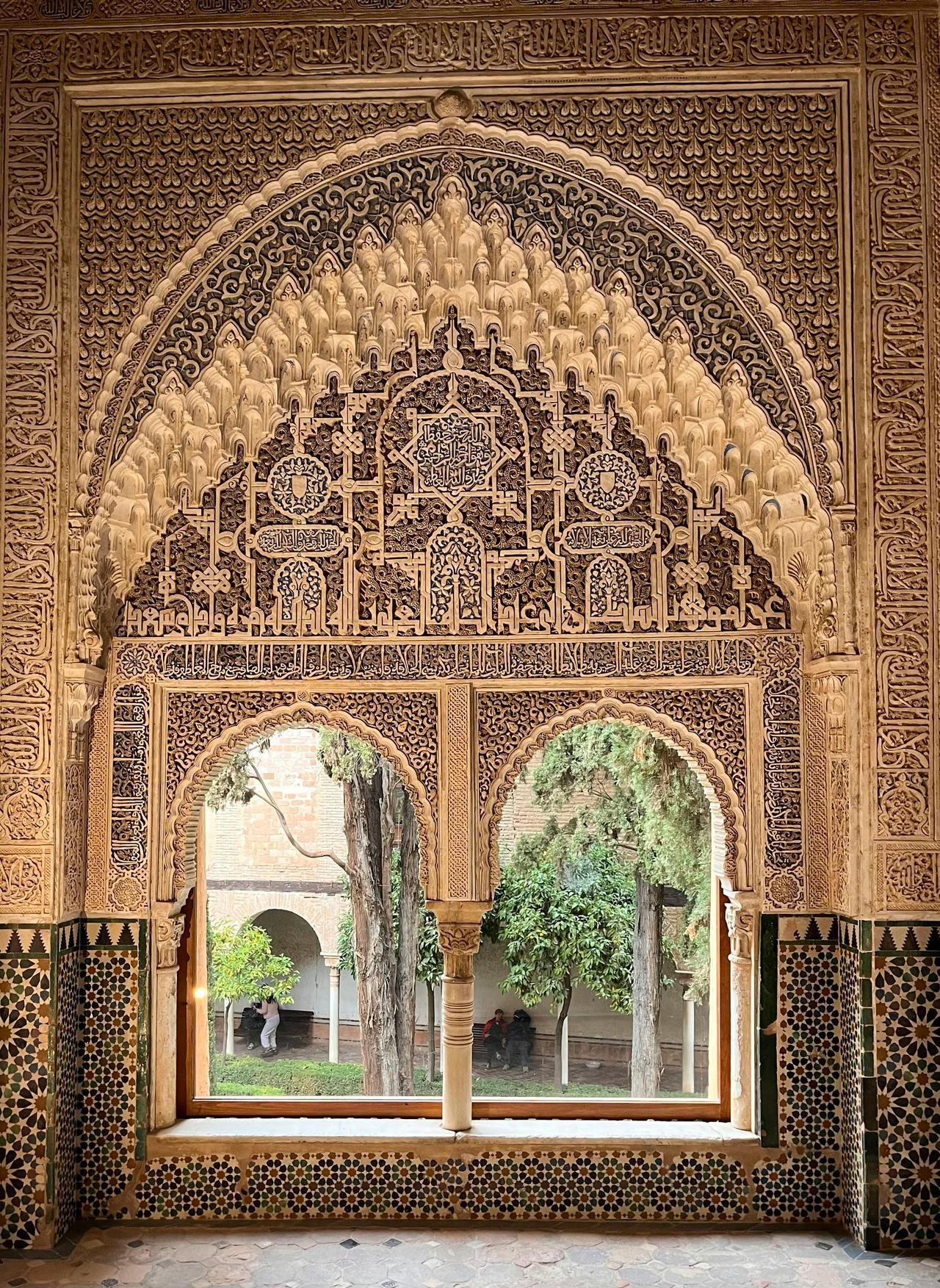
Ratio and Proportion in Architecture (Pexels, Elif Topal)
Today, in the discipline of architecture, the concept of ratio and proportion is applied in far more flexible, dynamic, and complex forms thanks to the opportunities provided by digital technologies and advanced design methods. These approaches, which go beyond traditional fixed ratio systems, have introduced new flexibility and multidimensional analytical capabilities to the design process. Particularly digital design and management technologies such as BIM (Building Information Modeling) allow for the systematic and holistic analysis and optimization of ratio relationships between building components—not only during the design phase but throughout the entire lifecycle of the structure. As a result, both structural and aesthetic balances can be evaluated simultaneously alongside numerous parameters such as energy efficiency, cost control, and user comfort.
Parametric design approaches challenge the traditional boundaries of architectural ratio and proportion, enabling the generation of more original and adaptive solutions. Algorithmic design models developed through software such as Rhinoceros and Grasshopper allow for complex reinterpretations of geometric ratios. With such digital tools, spatial compositions can be designed as flexible structures that respond rapidly to changing needs, without being bound to specific ratio systems. Thus, the concept of ratio and proportion is transformed from fixed and historical templates into a design strategy that responds to the dynamic and evolving requirements of contemporary design.
With these developments, ratio and proportion are no longer merely criteria serving aesthetic concerns but establish strong connections with contemporary architectural priorities such as sustainability, accessibility, and universal design. In sustainable design approaches, ratios are used to develop building forms and passive climate strategies that reduce energy consumption; in universal design, they contribute to the development of ergonomic solutions that ensure spaces are accessible and functional for users of different ages, genders, and abilities.
Erdoğan, Arif. “Proportioning Also is Ancient Turkish: The Principle of (Geometric) Ratio-Proportion in Ottoman Mosque Architecture.” *Sanat Tarihi Yıllığı - Journal of Art History* 33 (2024): 89–129. Accessed May 14, 2025. https://dergipark.org.tr/en/download/article-file/3619975
Flickr. “Corbusier Modulor color JPG.” Accessed May 19, 2025. https://flic.kr/p/8EDRXi
Kalfaoğlu Hatipoğlu, Hatice, and Çiğdem Koç Aytekin. “Mimaride Tasarım Kodları ve Anlamsal Sürdürülebilirlik: Dil, Bellek ve Kimlik Tartışması.” *Kent Araştırmaları Dergisi* 11, no. 31 (2020): 1676–1698. Accessed May 14, 2025. https://dergipark.org.tr/tr/download/article-file/1370810
Pexels. “Beyaz Yüzeyde Turuncu Ve Beyaz Deniz KabuğuJPG.” Pexels. Accessed May 19, 2025. https://www.pexels.com/tr-tr/fotograf/beyaz-yuzeyde-turuncu-ve-beyaz-deniz-kabugu-33234/
Pexels. “Duvarda Süslemeli Mağribi Mozaiği JPG.” Pexels. Accessed May 19, 2025. https://www.pexels.com/tr-tr/fotograf/duvarda-suslemeli-magribi-mozaigi-22039628/
Pexels. “France JPG.” Pexels. Accessed May 19, 2025. https://www.pexels.com/tr-tr/fotograf/sanat-fransa-mimari-tarihi-27356656/
Pexels. “Kahverengi Beton Kubbe Binası Fotoğrafı JPG.” Accessed May 19, 2025. https://www.pexels.com/tr-tr/fotograf/kahverengi-beton-kubbe-binasi-fotografi-2159549/
Tekkanat, Nihal. “Altın Oran’ın Kaynakları ve Sanat’a Yansıması.” Master's thesis,Akdeniz Üniversitesi Institute of Social Sciences, 2006. Accessed May 14, 2025. http://acikerisim.akdeniz.edu.tr:8080/xmlui/bitstream/handle/123456789/1530/T01968.pdf?sequence=1&isAllowed=y
Yılmaz, Elif Merve, and Mine Ulusoy. “SADAB II. Uluslararası Sosyal Araştırmalar ve Davranış Bilimleri Sempozyumu.” *II. Uluslararası Sosyal Araştırmalar ve Davranış Bilimleri Sempozyumu Bildiri Kitabı*, Antalya: SADAB, 2018. Accessed May 14, 2025. https://gcris.ktun.edu.tr/bitstream/20.500.13091/5153/1/9087efdb-c9f0-474b-ac56-208e7a44f6f4.pdf
Yılmaz, Elif Merve. “Selçuklu Dönemi Medreselerinde Altın Oran-Estetik İlişkisi: Konya Örneği.” Master's thesis,Selçuk Üniversitesi Institute of Science, 2017. Accessed May 14, 2025. https://acikerisim.selcuk.edu.tr/items/f4d222a7-71e9-47a6-8338-61b0a23c117c

No Discussion Added Yet
Start discussion for "Proportion and Ratio in Architecture" article
Historical Development
Ancient Era
Medieval Period and the Islamic World
Renaissance Period
Modern and Contemporary Period
Applications in Architectural Design
Spatial Organization
Façade Compositions
Structural Systems
Special Ratio Systems
Golden Ratio (1.618)
Modulor (Le Corbusier)
Fibonacci Sequence
Ratio and Proportion in Aesthetic and Meaning Production
Contemporary Approaches