

This article was automatically translated from the original Turkish version.
+1 More
Puhu Owl (Bubo bubo)
Branch | Chordata | ||||||||
|---|---|---|---|---|---|---|---|---|---|
Team(s) | Strigiformes | ||||||||
Family | Strigidae | ||||||||
Conservation Status | Least Concern | ||||||||
Specie(s) | Bubo bubo | ||||||||
Genus | Bubo | ||||||||
Class | Aves | ||||||||
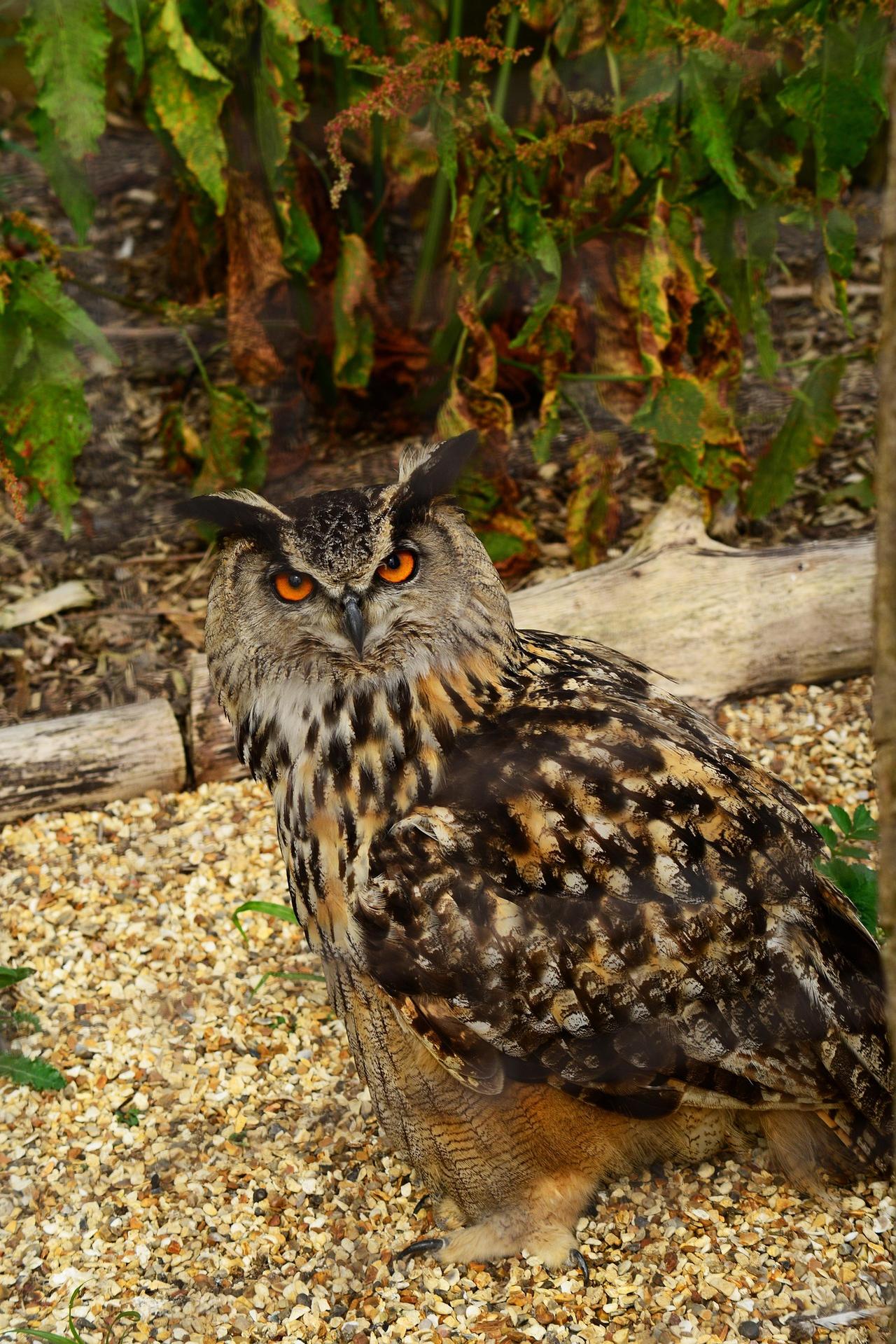
Eagle Owl (Bubo bubo) is a species belonging to the family Strigidae within the order Strigiformes class Aves phylum Chordata and kingdom Animalia in biological classification. Recognized as the largest owl species in the world it is distinguished by its wide wingspan and prominent physical features. Taxonomically it is divided into 13 subspecies distributed across the Palearctic region.
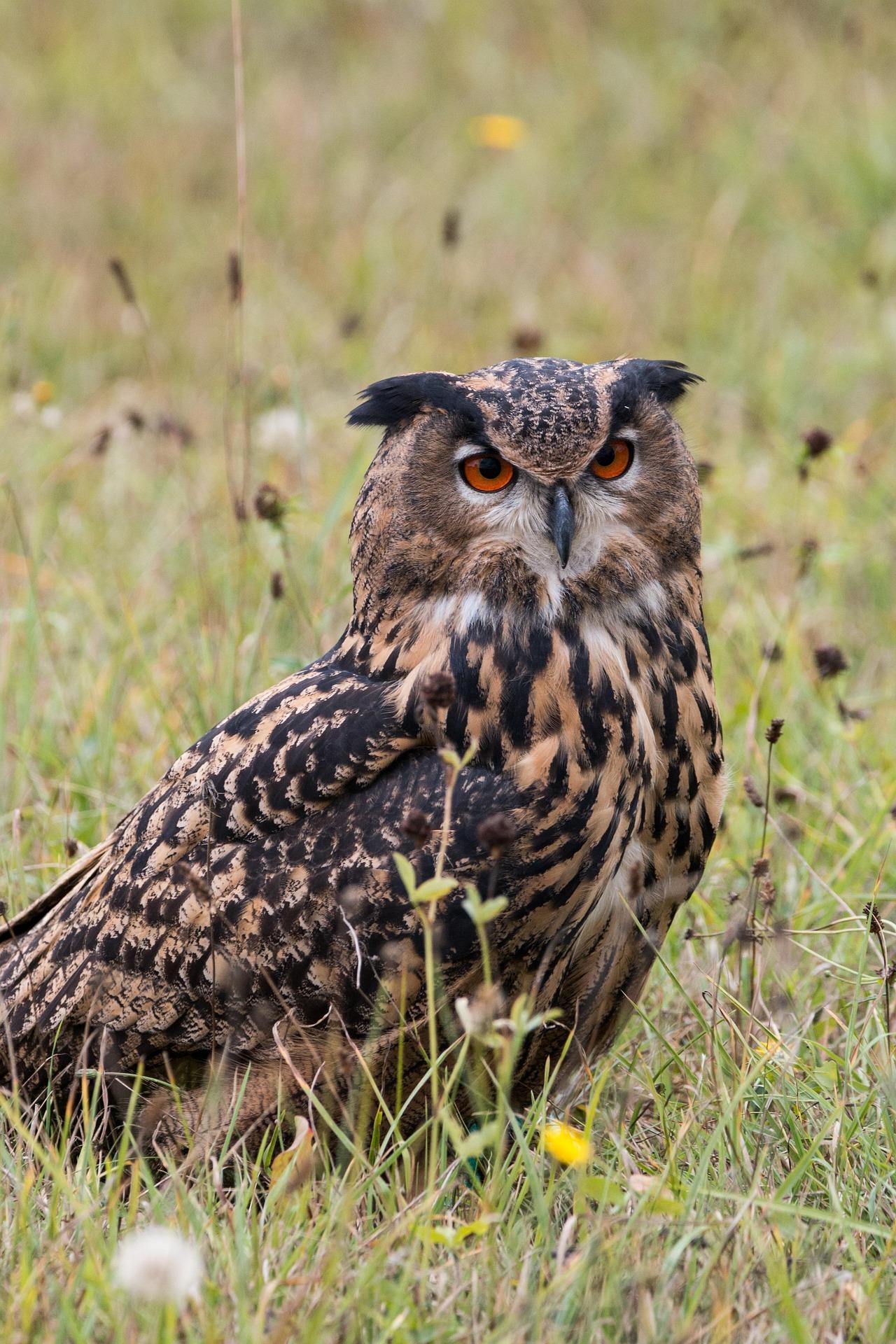
Eagle Owl (Bubo bubo)
Eagle owls are distinguished by wingspans reaching up to 1.5 to 2 meters in adults and striking orange eyes. The species exhibits marked sexual dimorphism with females being significantly larger than males. Adult weight ranges from 1600 to 4200 grams with an average length of 65 centimeters.
Body plumage is generally brown black and buff tones with streaked black markings on the chest and a white throat. Prominent ear tufts on the head are a characteristic feature of the species. Morphological traits vary by geographic region with individuals in northeastern areas being lighter in color while those toward the Pacific coast exhibit darker plumage. Similarly body size tends to decrease from north to south and from east to west.
The species’ range is based on the Palearctic region encompassing North Africa Europe the Middle East and Asia extending as far north as the far reaches of Siberia and as far south as Ethiopia and the Oriental region.
Eagle owls inhabit a wide variety of habitats including coniferous forests hot deserts mountain ranges and riverbeds. They prefer rocky landscapes for nesting and are also active in open areas agricultural fields and grasslands. Studies in Serbia indicate that the species concentrates particularly in hilly areas below 500 meters and in river valleys avoiding dense forested regions and large bodies of water. Habitat selection is shaped by the availability of sufficient prey and suitable nesting sites.
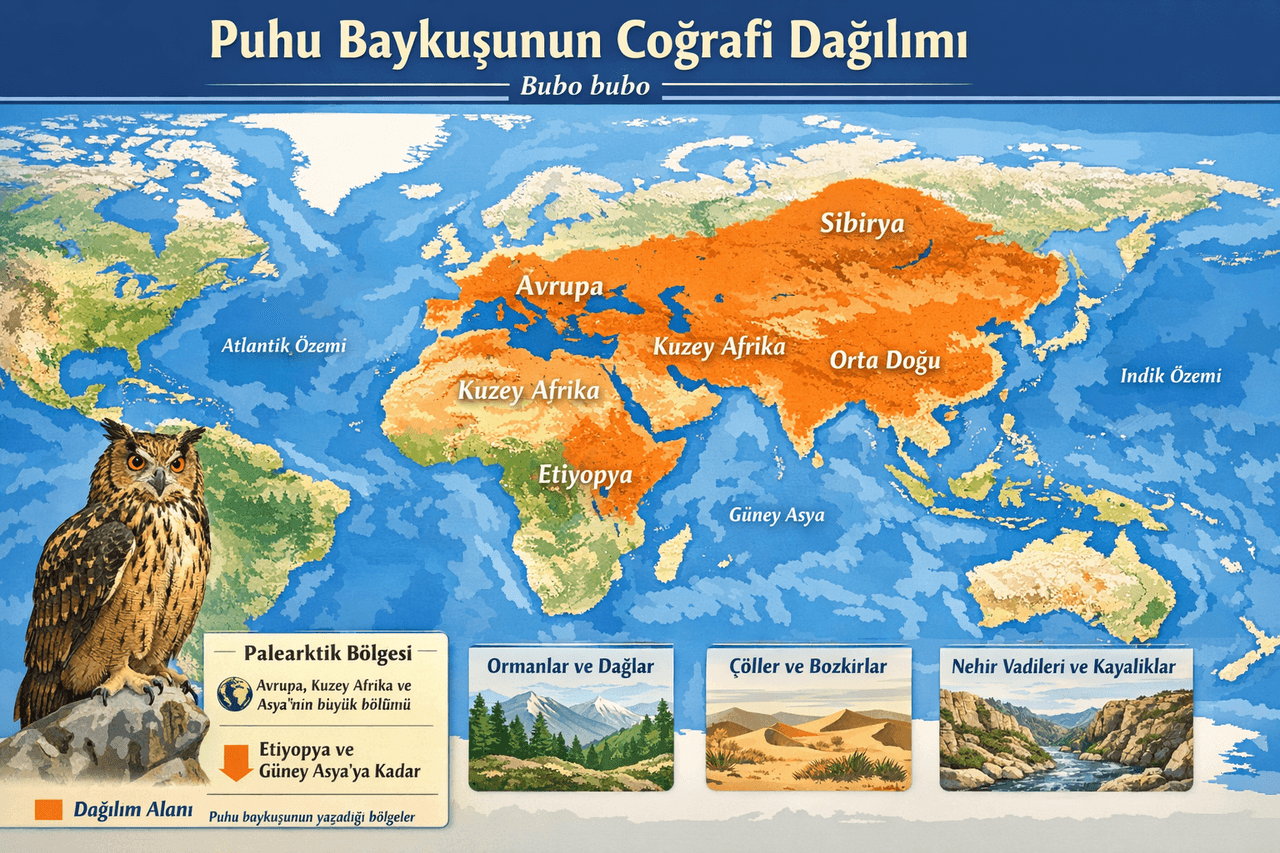
Geographic Distribution of the Eagle Owl
(Image Generated with AI Assistance)
Eagle owls are primarily solitary and nocturnal outside the breeding season. They spend the day perched motionless on trees or cliffs becoming active at twilight. These birds are highly territorial defending home ranges of 15 to 80 square kilometers against other owls.
Communication is primarily achieved through a variety of hoots and vocal signals. Males produce low-frequency throaty calls to announce territory and attract females while different tonal hoots are used in response to intrusions. Additionally individuals of this species can assess the size and distance of intruders based on the intensity of their vocalizations.
As an apex predator at the top of the food chain the eagle owl has a carnivorous diet. It captures prey undetected using its exceptional night vision advanced hearing and evolved wing structure that enables silent flight.
Diet varies by region but primarily consists of small rodents such as mice rats and voles. However it also preys on a broad spectrum of animals including insects medium-sized mammals such as deer fawns and foxes birds ranging from crows to ducks and even other owl species. Indigestible remains such as feathers bones and teeth are regurgitated as pellets which provide critical data for scientific studies on the species’ feeding behavior.
Eagle owls are monogamous and form lifelong pair bonds. The breeding season typically begins at the end of winter with nests built in rock crevices cliff edges or abandoned nests of other large birds.
Females lay one to four white eggs annually depending on local prey abundance. Incubation lasts approximately two to three months during which the female remains at the nest while the male provides food. Chicks begin short flights after about 60 days and leave the nest in autumn to establish their own territories. Eagle owls reach sexual maturity between one and three years of age and can live up to 20 years in the wild and over 60 years in captivity.【1】
Although classified as Least Concern by the International Union for Conservation of Nature and Natural Resources local populations are threatened by habitat loss and human pressure. They are ecologically and economically beneficial due to their role in controlling rodent populations in agricultural areas. However illegal hunting power line collisions and habitat fragmentation negatively impact the species’ sustainability. Research in Spain has shown that past breeding success is the most important factor influencing the likelihood of a region being reoccupied.
Cantrell, J. "Bubo bubo." *Animal Diversity Web*. Accessed March 13, 2026. https://animaldiversity.org/accounts/Bubo_bubo/
León-Ortega, M., M. V. Jiménez-Franco, J. E. Martínez, and J. F. Calvo. "Factors Influencing Territorial Occupancy and Reproductive Success in a Eurasian Eagle-owl (Bubo bubo) Population." PLOS ONE 12, no. 4 (2017): e0175597. Accessed March 13, 2026. https://doi.org/10.1371/journal.pone.0175597
Martínez, Jose Antonio, David Serrano, and Iñigo Zuberogoitia. "Predictive Models of Habitat Preferences for the Eurasian Eagle Owl Bubo bubo: A Multiscale Approach." Ecography 26, no. 1 (2003): 21–28. Accessed March 13, 2026. https://doi.org/10.1034/j.1600-0587.2003.03368.x
Pixabay. "avrasya kartal baykuşu kuş baykuş." Accessed March 13, 2026. https://pixabay.com/tr/photos/avrasya-kartal-bayku%c5%9fu-ku%c5%9f-bayku%c5%9f-399542/
Pixabay. "baykuş avrasya kartal baykuşu." Accessed March 13, 2026. https://pixabay.com/tr/photos/bayku%c5%9f-avrasya-kartal-bayku%c5%9fu-8310476/
Pixabay. "uhu bubo bubo baykuş kuş tüyler." Accessed March 13, 2026. https://pixabay.com/tr/photos/uhu-bubo-bubo-bayku%c5%9f-ku%c5%9f-t%c3%bcyler-1728202/
Rajković, Draženko, Milivoj Vučanović, Ivan Medenica, Vladan Dimitrijević, Jovana Koturov, Daliborka Stanković, and Stefan Skorić. "Eurasian Eagle-Owl Bubo bubo (Linnaeus, 1758) (Aves: Strigidae) in Eastern Serbia in the 21st Century: Distribution, Population Size and Density." *Kragujevac Journal of Science* 47 (2025): 121–138. Accessed March 13, 2026. https://www.researchgate.net/publication/394382401_Eurasian_eagle-owl_Bubo_bubo_Linnaeus_1758_Aves_Strigidae_in_Eastern_Serbia_in_the_21st_century_Distribution_population_size_and_density
[1]
J. Cantrell "Bubo bubo" Animal Diversity Web accessed 13 March 2026 https://animaldiversity.org/accounts/Bubo_bubo/


Puhu Owl (Bubo bubo)
Branch | Chordata | ||||||||
|---|---|---|---|---|---|---|---|---|---|
Team(s) | Strigiformes | ||||||||
Family | Strigidae | ||||||||
Conservation Status | Least Concern | ||||||||
Specie(s) | Bubo bubo | ||||||||
Genus | Bubo | ||||||||
Class | Aves | ||||||||
No Discussion Added Yet
Start discussion for "Puhu Owl (Bubo bubo)" article
Physical Characteristics and Morphological Structure
Geographic Distribution and Habitat Preferences
Behavioral Ecology and Communication
Feeding Habits and Hunting Strategies
Reproduction and Life Cycle
Conservation Status and Human Interactions