

This article was automatically translated from the original Turkish version.
+1 More
Location | Tunceli Province Türkiye | ||||||||
|---|---|---|---|---|---|---|---|---|---|
Elevation(s) | Maximum 1 650 metres | ||||||||
Length(s) | Valley line extending from the Avcı Mountains to Munzur Stream | ||||||||
Climate(s) | Continental climate summers are short and cool winters are cold and long | ||||||||
Main River | Pülümür Stream | ||||||||
Vegetation Cover | Forest areas, seasonal deciduous tree species | ||||||||
Geological Structure | Narrow and steep slopes, rocky surfaces, waterfalls | ||||||||
Notable Natural Features | Crying Rocks, Zenginpınar (Zağge) Waterfall | ||||||||
Activities | Hiking, picnicking, camping, sport fishing | ||||||||
Pülümür Valley is located within the boundaries of Tunceli Province in Türkiye. The valley originates from the eastern slopes of the Avcı Mountains and extends southward toward the Munzur River. It begins approximately 20 kilometers north of the Tunceli-Pülümür highway and continues to the district center of Pülümür. The region features a mountainous and rugged terrain, with elevations reaching up to 1,650 meters. The valley is characterized by narrow and steep slopes, containing rocky areas and forested cover in places. Pülümür Valley exhibits the continental climate characteristics of eastern Anatolia, with cold and long winters and short, cool summers.

Pülümür Valley (Culture Portal)
Pülümür Valley has a structure composed of narrow and steep slopes. Rocky surfaces, canyons, and waterfalls along the valley are characteristic geomorphological features. The rock formations in the area appear in places as exposed cliff faces that form the structural framework of the valley. Between Kutudere and Kırmızıköprü, the valley deepens and hosts numerous waterfalls. Among these, Zenginpınar (Zağge) Waterfall and Ağlayan Kayalar are notable natural formations. These geomorphological features shape the region’s natural landscape.
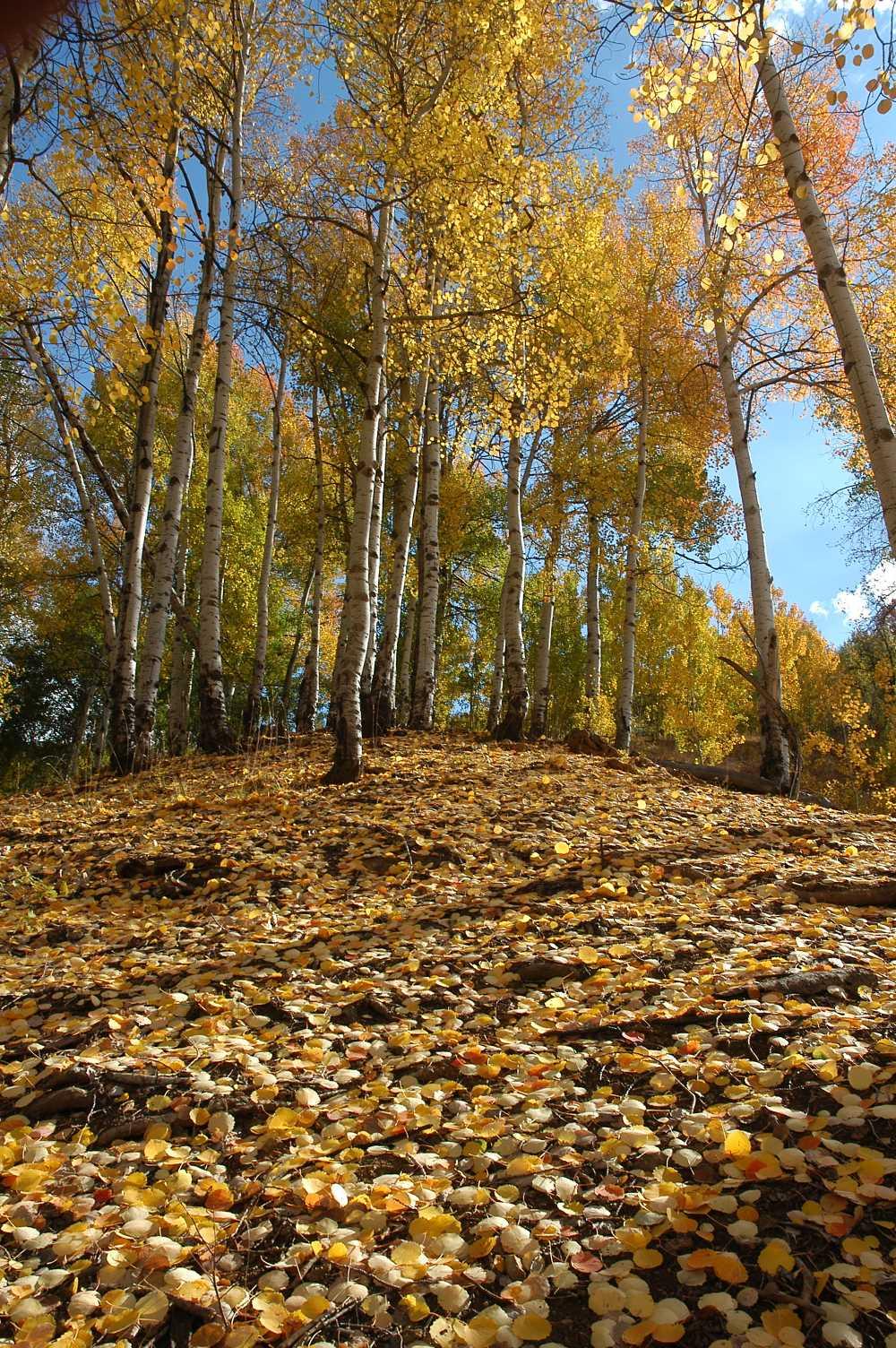
Pülümür Valley possesses a rich vegetation cover. Forested areas are widespread along the valley, hosting various tree and plant species. This vegetation supports the valley’s ecosystem and constitutes an important area for biological diversity. In accordance with seasonal changes, trees in the valley turn yellow, orange, and red during autumn. This natural phenomenon makes a significant contribution to the ecological balance of the region.
Pülümür Valley is a natural geographical formation created by the Pülümür Creek. The Pülümür Creek originates at the foothills of the Avcı Mountains, flows through the valley, and joins the Munzur River. Its water is fed by snowmelt and various spring sources. The creek maintains a relatively high discharge along the valley, but it is not considered suitable for water sports such as rafting. In certain sections, particularly around Kırmızıköprü, fishing is practiced, and areas suitable for recreational angling are available. The river system makes important contributions to the valley’s ecological structure and local livelihoods.
Pülümür Valley offers opportunities for various tourism and recreational activities due to its natural features and rich vegetation. Hiking, rock climbing, and paragliding are practiced in the region. Additionally, picnic and camping areas are available within the valley. Around Zenginpınar (Zağge) Waterfall, seating areas have been developed with stone and concrete platforms and staircases to serve day visitors. The valley’s natural structure provides spaces for nature-based sports and recreational activities throughout the year.
One of the important natural formations within Pülümür Valley is the “Ağlayan Kayalar” (Crying Rocks). This rock formation is named for the continuous seepage of water from its surfaces. Water dripping from rocks approximately 20 meters high forms icicles during autumn and winter months, becoming an integral part of the region’s natural character. The valley also contains Zenginpınar (Zağge) Waterfall, which is surrounded by stone and concrete structures that provide visitors with opportunities for picnics and hiking. These natural sites are key elements reflecting the valley’s geomorphological and ecological diversity.

Pülümür Water and Valley (Culture Portal)
Access to Pülümür Valley is provided via the Tunceli-Pülümür highway, which begins in the provincial center of Tunceli. The valley extends from approximately 20 kilometers north of this highway to the district center of Pülümür. Road access to the region is feasible, and the route offers scenic natural views. The valley’s location places it in close proximity to settlements and tourist sites.
Pülümür Valley is designated as a protected area due to its natural structure and ecosystem characteristics. Various conservation measures are implemented to ensure the sustainability of its flora and fauna. Environmental regulations are also applied to safeguard the valley’s water sources and natural formations. These efforts enable the preservation of the valley’s ecological balance and support the sustainable development of tourism activities without harming the environment.

Pülümür Valley Snow Tunnels (Culture Portal)
Anadolu Ajansı. "Pülümür Vadisindeki Ağlayan Kayalar Sonbaharda Doğa Tutkunlarını Cezbediyor." Anadolu Ajansı, November 27, 2020. Accessed July 15, 2025.
T.C. Tunceli Valiliği. "Pülümür." T.C. Tunceli Valiliği Resmî Web Sitesi. Accessed July 15, 2025. http://www.tunceli.gov.tr/pulumur.
T.C.Tunceli İl Directorate of Culture and Tourism. "Pülümür Çayı Vadisi." T.C. Ministry of Culture and Tourism. Accessed July 15, 2025. https://tunceli.ktb.gov.tr/TR-57337/pulumur-cayi-vadisi.html
Türkiye Kültür Portalı. "Pülümür Çayı Vadisi." T.C. Kültür ve Turizm Bakanlığı. Accessed July 15, 2025. https://www.kulturportali.gov.tr/turkiye/tunceli/turizmaktiviteleri/pulumur-cayi-vadisi.

Location | Tunceli Province Türkiye | ||||||||
|---|---|---|---|---|---|---|---|---|---|
Elevation(s) | Maximum 1 650 metres | ||||||||
Length(s) | Valley line extending from the Avcı Mountains to Munzur Stream | ||||||||
Climate(s) | Continental climate summers are short and cool winters are cold and long | ||||||||
Main River | Pülümür Stream | ||||||||
Vegetation Cover | Forest areas, seasonal deciduous tree species | ||||||||
Geological Structure | Narrow and steep slopes, rocky surfaces, waterfalls | ||||||||
Notable Natural Features | Crying Rocks, Zenginpınar (Zağge) Waterfall | ||||||||
Activities | Hiking, picnicking, camping, sport fishing | ||||||||
Geomorphology and Natural Formations
Vegetation and Ecosystem
Water Resources and River Systems
Tourism and Recreational Activities
Natural Formations and Key Natural Sites
Access and Connectivity
Conservation and Environmental Status