


This article was automatically translated from the original Turkish version.

Asia is the largest and most populous continent in the world and has been the birthplace of many major religious belief systems throughout history. This continent is both a region with a large number of religious tradition and a place where these traditions have interacted across different geographies. The major religions practiced in Asia include Hinduism Buddhism Islam Christianity Taoism Confucianism Shintoism Sikhism Jainism Zoroastrianism Korean Shamanism and Judaism.
Religious diversity in Asia has shaped the region’s social cultural and historical structures. These religions have laid the foundations of ancient civilizations and continue to influence the religious beliefs of contemporary societies.
Hinduism is one of the oldest and most deeply rooted religious traditions in Asia. Originating in India and Nepal Hinduism is a polytheistic belief system characterized by concepts of reincarnation karma and moksha like. Hinduism has approximately 1.2 billion followers across world and forms the foundation of India’s cultural and social structure.

Vrah Viṣṇuloka Hindu Temple Cambodia
Islam is another major religion with a large population in Central East South Asia and Central Asia. Differences between Sunni and Shia sects have shaped religious life in Asia while Islam remains one of the most influential religions in the region politically and culturally. Islam is the second largest religion in Asia with approximately 1.3 billion followers.

Mosque in Afghanistan
Buddhism originated in India but spread over time to Southeast Asia and East Asia. Particularly widespread in China Japan Thailand and Sri Lanka Buddhism offers a philosophical way of life focused on understanding and ending suffering. Buddhism has approximately 500 million followers worldwide.
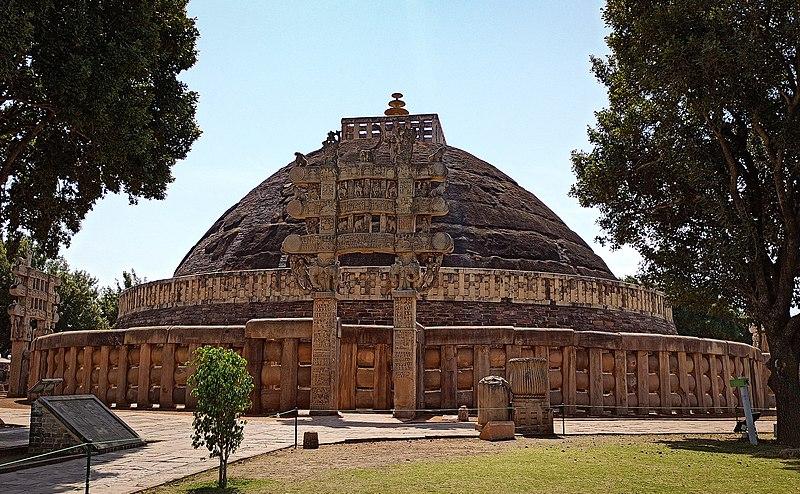
Sanchi Stupa India
Christianity maintains a significant presence in the Philippines South Korea and some regions of Central Asia. Catholic and Protestant denominations are prominent in Asia while Christianity is the faith of a large portion of the population particularly in the Philippines. The number of Christians in Asia is approximately 300 million.

St. Kevork Armenian Apostolic Church Tbilisi Georgia
Taoism and Confucianism are belief systems of great importance in China that offer both philosophical and religious teachings. Taoism advocates living in harmony with nature and the universe while Confucianism emphasizes social order morality and ethical on principles. These beliefs have profoundly influenced China’s social structure and culture.

Taoist Priests at the White Cloud Temple Beijing Qing Dynasty
Shintoism which is widespread in Japan encompasses beliefs related to living in harmony with nature reverence for ancestors and ritual ritual purity. Shintoism is a foundational religious belief that has shaped Japan’s cultural identity.

Itsukushima Shrine Japan
Sikhism emerged in the Punjab region of India and has followers primarily in India Pakistan and some West countries. Sikhism is a monotheistic belief system that emphasizes human social responsibility and moral living.
Jainism originated in India and is a religious belief system based on the principle of ahimsa (harm nonviolence). Jains believe in the sanctity of all life and seek to eliminate all forms of violence and harm to the world.

Sanganer Jain Temple India
Zoroastrianism is an ancient religion originating in Iran with a monotheistic belief system. It is based on the teachings of Ahura Mazda and the struggle between good and evil. Although its followers are fewer today Zoroastrians still form an important community in Iran and India.
Judaism is a monotheistic faith with historical roots in Central Asia and Palestine. Jewish communities in Asia are found particularly in regions such as Israel and Palestine.
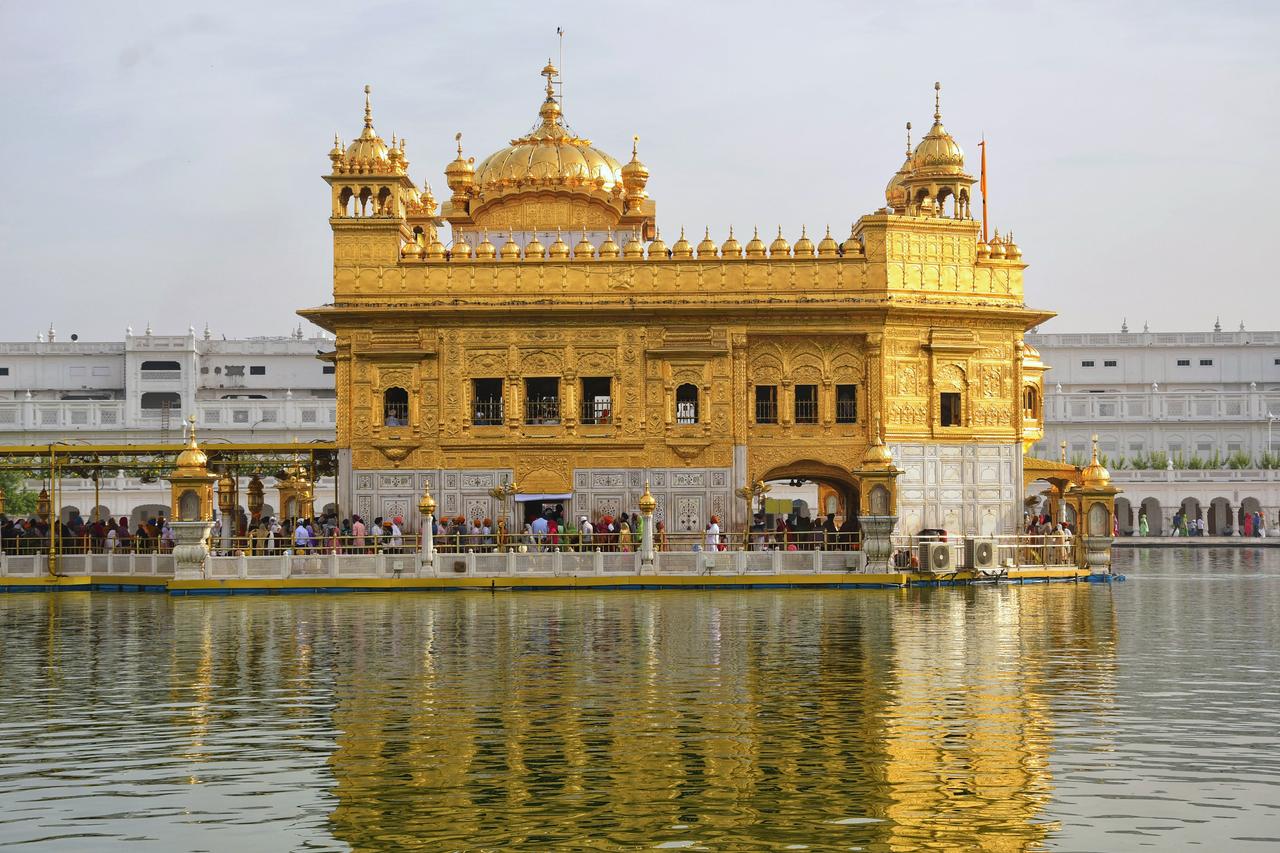
Golden Temple India
Korean Shamanism encompasses indigenous religious beliefs and rituals in Korea. This belief system is centered on connection with nature and spirits and is an important part of Korean culture.

Diorama of a Shamanic Ritual at the National Museum of Korea
Asia is not only a region of religious diversity but also a place where interreligious interaction and synthesis have occurred. The spread of Hinduism and Buddhism from India to other parts of Asia resulting in diverse forms and the transmission of Islam from Central Asia to South and Southeast Asia have played key roles in the evolution of Asia’s religious structure. Additionally new religious forms and syncretisms have time emerged in Asia.
In Asia religion is not merely a spiritual phenomenon but also a powerful force shaping social structures cultures and political systems. Religious diversity is one of the fundamental elements of Asia’s cultural richness and the interactions among religions across the continent form the fabric of its social structure. This diversity is also vital for understanding major social and cultural events in Asia’s history.

Spread and Diversity of Religions
Hinduism
Islam
Buddhism
Christianity
Taoism and Confucianism
Shintoism
Sikhism
Jainism
Zoroastrianism
Judaism
Korean Shamanism
Religious Interaction and New Forms