

This article was automatically translated from the original Turkish version.
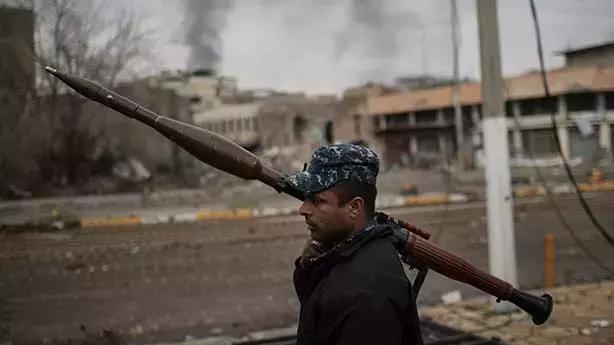
https://www.milliyet.com.tr/molatik/teknoloji/rpg-7-nedir-86887
RPG-7 is a shoulder-fired, reloadable anti-tank rocket launcher developed by the Soviet Union and widely used around the world. Due to its simplicity durability and effectiveness it has become an iconic infantry weapon featured in numerous conflicts.
The origins of the RPG-7 trace back to anti-tank weapons developed by Nazi Germany during World War II such as the "Panzerfaust." These early models provided infantry with limited but valuable capability against armored vehicles. The Soviet Union further refined this concept and introduced the RPG-7 into its inventory in 1961. The abbreviation "RPG" comes from the Russian phrase "Ruchnoy Protivotankovy Granatomyot" meaning Handheld Anti-Tank Grenade Launcher.
The basic structure of the RPG-7 is relatively simple:
The RPG-7 typically uses optical sights although some models are equipped with iron sights. Optical sights enable the user to aim more precisely and can be adjusted for different ranges.
One of the key reasons for the RPG-7's success is its wide range of ammunition types including:

RPG-7 (Milliyet)
The RPG-7 has been frequently employed in asymmetric warfare and guerrilla operations. Its simple training requirements low cost and effectiveness against a variety of targets have made it an attractive weapon. It can be used against tanks armored personnel carriers buildings and fortifications. However its effectiveness has diminished against modern tanks equipped with advanced armor systems such as reactive armor. Nevertheless it remains dangerous when targeting weaker areas such as the side or rear armor.
RPG-7 Operating System (YouTube)
Today the RPG-7 remains in the inventories of many national militaries and non-state armed groups and is one of the most produced and widely used anti-tank weapons in the world. Production licenses have been granted to numerous countries and local variants have been developed. Due to its widespread use and significant role in conflicts it has become one of the most important symbols in military history.
"RPG-7 Nedir?" Milliyet. Accessed July 1, 2025. https://www.milliyet.com.tr/molatik/teknoloji/rpg-7-nedir-86887
"RPG-7 Roketatar." Jandarma Personeli. Accessed July 1, 2025. https://www.jandarmapersoneli.com/rpg-7-roketatar/#
Askeri Bilgiler. "RPG-7B Roketatar Özellikleri." Accessed July 2, 2025. https://www.askeribilgiler.net/rpg-7b-roketatar-ozellikleri.html.

https://www.milliyet.com.tr/molatik/teknoloji/rpg-7-nedir-86887
History and Development
Technical Specifications and Operating Principle
Sight:
Ammunition Variety:
Usage and Effectiveness
Prevalence and Legacy