


This article was automatically translated from the original Turkish version.
+2 More
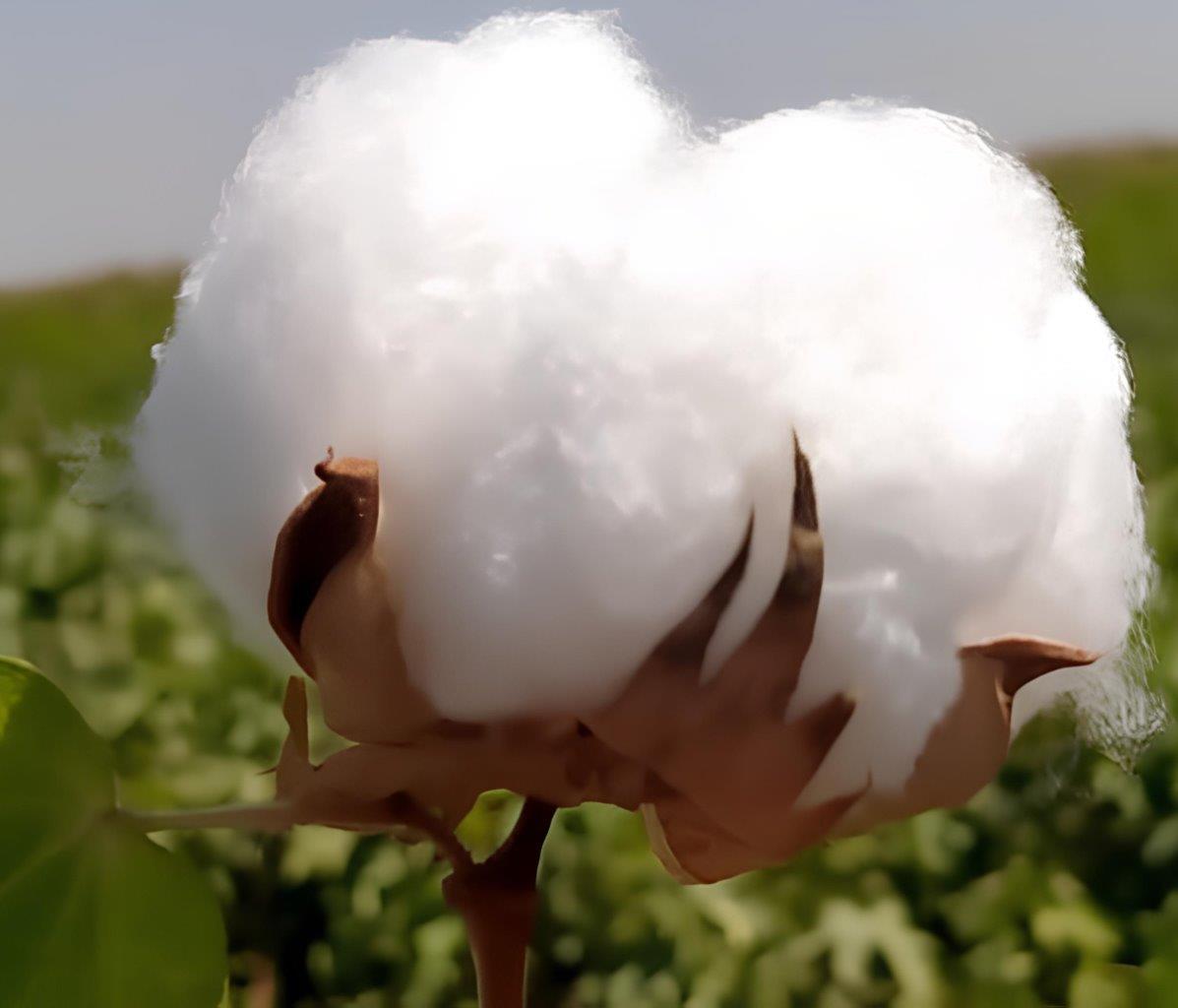
Şanlıurfa Cotton
Registration Number | 1650 | ||||||||
|---|---|---|---|---|---|---|---|---|---|
Application Number | C2023/000225 | ||||||||
Application Date | 05.09.2023 | ||||||||
Registration Date | 17.10.2024 | ||||||||
Applicant/Registrant(s) | Şanlıurfa Chamber of Commerce and Industry | ||||||||
Product / Product Group(s) | Cotton / Other unprocessed or processed plant products | ||||||||
Sanliurfa cotton is a cotton variety produced within the boundaries of Sanliurfa province using certified seeds, harvested, ginned, pressed, and baled, possessing fiber technological properties that meet the quality requirements of the textile industry.
Sanliurfa cotton falls under the category of raw or processed other plant products. It has been registered by the Turkish Patent and Trademark Office as "place of origin【1】". The registration of Sanliurfa cotton demonstrates that its distinctive qualities—such as luster, softness, dye uptake, and spinning characteristics (strength, fiber length, etc.)—originate from the climate, soil structure, ecological conditions, and irrigation opportunities of the Sanliurfa region. Although the region has a historical tradition of cotton and textile production, modern cotton farming became widespread after irrigation from the Atatürk Dam began in 1995.
Cotton Seeds Begin to Meet the Soil in Sanliurfa (AA)
Sanliurfa cotton is a product sought after by the textile industry due to its fiber technological properties. Its distinctive characteristics are as follows:

Cotton Harvesters (AA)
The production of Sanliurfa cotton involves specific stages from soil preparation to harvest and storage:
Soil and Climate Requirements: Deep, organically rich, alluvial soils are preferred for high yield and quality fibers. Ideal soils are well-drained, easily workable, and irrigable sandy-loam types. Average annual temperature is 19°C, with summer temperatures reaching 25°C. Optimal temperatures are 20°C before boll formation, 25°C during flowering, and 30–32°C during boll development. Cooler temperatures (down to 15°C) are preferred during harvest to facilitate boll opening.
Soil Preparation: Includes field cleaning and subsoil breaking (plow pan). If cotton is to be replanted, stalks are cut and incorporated into the soil in autumn. Secondary soil tillage is carried out at the end of February or beginning of March. Pre-planting herbicide application is performed before seeding.
Planting: High genetic purity cotton seeds are used. Planting occurs when soil temperature exceeds 15°C. The optimal planting period in Sanliurfa is the last week of April to the third week of May. Seeds are sown with row spacing of 75 cm and plant spacing of 8–10 cm within rows. Planting depth is generally 3–4 cm.
Cultivation: Weeds are controlled by mechanical weeding (typically 3–4 machine passes).
Irrigation: Water requirement is 800–1100 mm. Due to insufficient rainfall, irrigation is essential. Timing and volume of irrigation are adjusted according to plant water needs and soil moisture. Under normal climatic conditions on medium-textured soils, 7–10 irrigations are applied at 10–15 day intervals.
Fertilization: Fertilizer quantity varies according to climate, soil conditions, crop rotation, and cotton variety. Fertilizer type and amount are determined by soil analysis. Typically, 22–23 kg of nitrogen and 7–8 kg of phosphorus fertilizer per hectare are applied. Potassium fertilizer is generally not required in the region.
Harvest: Harvest begins when bolls mature. Harvest timing depends on climate, planting date, and irrigation. In Sanliurfa, harvesting starts in the first week of September and continues until the beginning of November. For mechanical harvesting, a defoliant should be applied when 60–70% of bolls have opened.
Ginning and Storage: Harvested seed cotton is processed in roller, saw, and high-speed roller ginning machines to separate fibers, which are then baled. Cotton bales are stored under controlled conditions in ginning facilities or licensed warehouses. The commercial moisture content of cotton must not exceed 8.5%, and bales must weigh at least 190 kg.
The application for the geographical indication registration of Sanliurfa cotton was submitted by the Sanliurfa Chamber of Commerce and Industry. The application, numbered C2023/000225, was filed on 5 September 2023. Following the evaluation process, the product was officially registered on 17 October 2024 under registration number 1650 as a "name of origin". The registrant’s address is recorded as Paşabağı Neighborhood, Adalet Street 9/1, Haliliye, Sanliurfa.
Anadolu Ajansı. “Şanlıurfa'da Ekim Alanı Yüzde 55 Artan Pamukta Hasat Zamanı.” Anadolu Ajansı, September 28, 2022. Accessed May 27, 2025. https://www.aa.com.tr/tr/ekonomi/sanliurfada-ekim-alani-yuzde-55-artan-pamukta-hasat-zamani-/2696766.
Anadolu Ajansı. “Şanlıurfa'da Pamuk Tohumları Toprakla Buluşmaya Başladı.” Anadolu Ajansı, April 29, 2022. Accessed May 27, 2025. https://www.aa.com.tr/tr/ekonomi/sanliurfada-pamuk-tohumlari-toprakla-bulusmaya-basladi/2576138.
Turk Patent and Trademark Office. "Şanlıurfa Pamuğu." Ankara: Türk Patent ve Marka Kurumu. Accessed May 27, 2025. https://ci.turkpatent.gov.tr/Files/GeographicalSigns/c6b137c9-8b31-4053-84c2-3bd60199c0d2.pdf.
Turk Patent and Trademark Office. "Şanlıurfa Pamuğu." Ankara: Türk Patent ve Marka Kurumu. Accessed May 27, 2025. https://ci.turkpatent.gov.tr/cografi-isaretler/detay/10043.
[1]
Menşe adı, bir ürünün özelliklerinin tamamen belirli bir bölgeye bağlı olduğu anlamına gelir. Ürünün üretimi, işlenmesi ve hazırlanması tamamen o coğrafi bölgede yapılır ve ürünün tüm özellikleri de o bölgenin doğal ve kültürel koşullarından kaynaklanır.

Şanlıurfa Cotton
Registration Number | 1650 | ||||||||
|---|---|---|---|---|---|---|---|---|---|
Application Number | C2023/000225 | ||||||||
Application Date | 05.09.2023 | ||||||||
Registration Date | 17.10.2024 | ||||||||
Applicant/Registrant(s) | Şanlıurfa Chamber of Commerce and Industry | ||||||||
Product / Product Group(s) | Cotton / Other unprocessed or processed plant products | ||||||||
Product Profile and Geographical Indication Type
Product Definition and Distinctive Characteristics
Production Method
Registration Process and Details