This article was automatically translated from the original Turkish version.
+2 More
Location | Giresun Türkiye | ||||||||
|---|---|---|---|---|---|---|---|---|---|
Production | Early 20th Century | ||||||||
Importance | Atatürk's Stay on 11 October 1924 | ||||||||
Architecture(s) | Two-Story Wooden Building | ||||||||
Restoration | 1932, Opening: 1982 | ||||||||
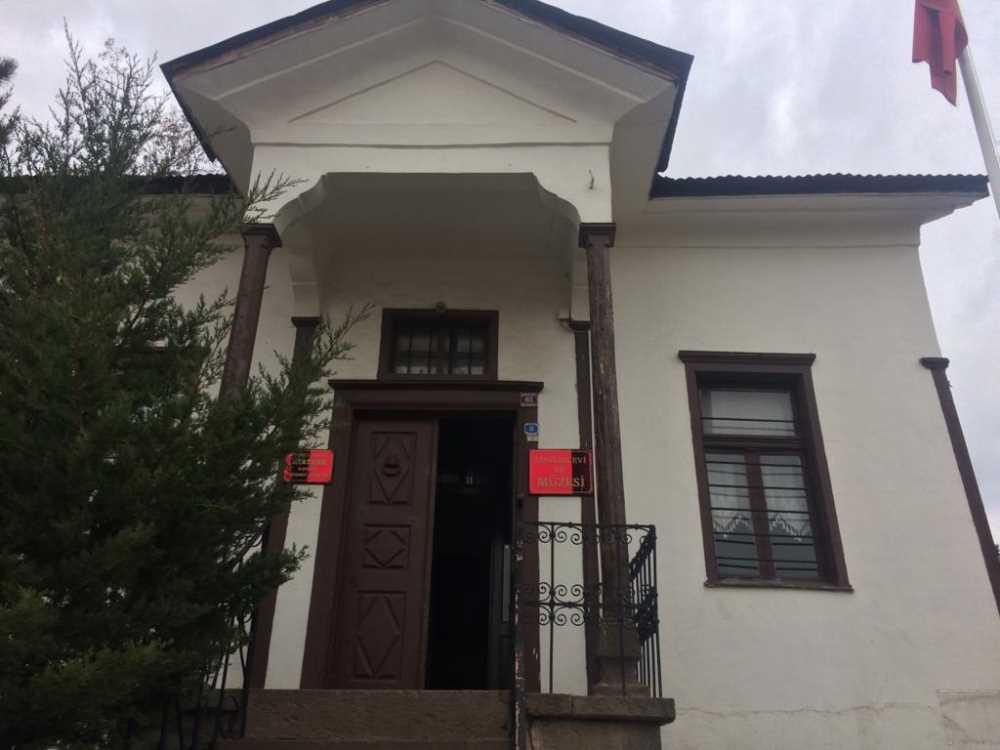
Şebinkarahisar Atatürk House and Museum is a traditional building where Mustafa Kemal Atatürk, the founder of the Republic of Türkiye, spent one night during his visit to Şebinkarahisar on 11 October 1924. Located in the exact center of the district, this two-story wooden structure stands out for its historical and architectural features. It is believed to have been constructed toward the end of the 19th century or at the very beginning of the 20th century and is among the significant cultural heritage examples reflecting regional architectural traditions.

Şebinkarahisar Atatürk House and Museum(Culture Portal)
The house where Atatürk stayed upon his arrival in Şebinkarahisar on 12 September 1924 belonged to Tüfekçizade Mustafa Ertem and is a traditional Şebinkarahisar residence. Although its exact construction date is unknown, its architectural style and materials suggest it was built during the last quarter of the 19th century or the early years of the 20th century. The house was constructed using wooden framing in accordance with local building techniques and features a simple and functional design.
In 1932, interior restoration work was carried out based on the original condition of the house during Atatürk’s stay. These efforts were undertaken to preserve the building’s historical integrity and to convey the atmosphere of that era to visitors. The house was opened to the public on 11 October 1982, the 58th anniversary of Atatürk’s visit to Şebinkarahisar, as the "Atatürk House and Museum."
Its designation as a museum and subsequent comprehensive restoration became possible after the Ministry of Finance acquired the property and allocated a budget of 3 million Turkish Lira under the General Directorate of Highways’ “100th Anniversary Celebration” program. Using these resources, the building was thoroughly repaired and renovated, and its interior spaces were restored to reflect their original 1932 configuration.
In 1986, following a decision by the General Directorate of National Property under the Ministry of Finance and Customs, ownership of the property, previously held by the Treasury, was transferred to the Ministry of Culture and Tourism and subsequently assigned to Şebinkarahisar Municipality. This ensured the museum’s preservation and operation under local administration.
The Şebinkarahisar Atatürk House and Museum is situated in the exact center of the district, on a slightly elevated platform above the road. The two-story wooden structure is one of the finest examples of local construction techniques and aesthetics. Entry to the building is made through a wide wooden door on the eastern side. The first floor is no longer in active use; access to the second floor is via a wooden spiral staircase.
The main and more monumental entrance, however, is located on the northern façade. This entrance features a projecting triangular pediment above it. Beneath this wooden-column-supported pediment, a staircase of ten stone steps leads upward. At the top of the stairs, a double wooden door opens directly into the second floor. The second floor serves as the main exhibition area of the museum, with a half-story attic above it, not visible from the front façade. Access to the attic is also via a wooden spiral staircase from the second floor.
The roof is gabled and contains a kiosk room beneath it. Local building materials were used throughout the structure. The front façade follows the traditional triangular pedimented projecting form. The building’s simple and functional architecture was designed to suit both its original use as a residence and its current function as a museum for visitors.

Şebinkarahisar Atatürk House and Museum(Culture Portal)
The Şebinkarahisar Atatürk House and Museum is an important cultural center displaying personal belongings from the period when Atatürk stayed there. One of the museum’s most notable sections is the room where Atatürk and his aide resided. Original furniture from that era—including beds, a writing desk, chairs, sofas, and a piano—has been preserved in their authentic condition. These items offer visitors insights into Atatürk’s daily life while evoking the historical atmosphere of the time.
In addition, the museum houses regional ethnographic artifacts that showcase important objects reflecting the cultural heritage of the area. These ethnographic items serve as valuable resources for understanding local lifestyles and regional history.
The museum also features a rich Atatürk Library comprising approximately 500 books. The collection includes volumes on Atatürk’s life, thoughts, reforms, and Turkish history. Additionally, the Atatürk Corner, which displays photographs of Atatürk, holds a prominent place within the museum.

Due to a lack of technical and specialized staff, the museum is open to visitors on specific days of the week, managed by civil servants appointed by Şebinkarahisar Municipality. On special occasions and upon request, the museum opens its doors to visitors, offering both local and international guests a historical and cultural experience.
The Şebinkarahisar Atatürk House and Museum is not only a significant site that sheds light on the region’s history but also a modest yet valuable cultural asset that presents glimpses of Atatürk’s life. It serves as a symbol of respect and loyalty to Atatürk for the local community and visitors alike.
Şebinkarahisar Atatürk House and Museum(İlhami Yeter)
Culture and Heritage General Directorate. "Atatürk Houses." T.C. Kültür ve Turizm Bakanlığı. Accessed July 25, 2025. http://www.kulturvarliklari.gov.tr/Eklenti/10073,ataturk-evleri.pdf?0
Giresun Culture and Tourism Directorate. "Şebinkarahisar Atatürk Evi." T.C. Kültür ve Turizm Bakanlığı. Accessed July 25, 2025. https://giresun.ktb.gov.tr/TR-208658/sebinkarahisar-ataturk-evi.html
Giresun Provincial Directorate of Culture and Tourism. "Şebinkarahisar Atatürk Evi." Ministry of Culture and Tourism of the Republic of Turkey. Accessed August 21, 2025. https://giresun.ktb.gov.tr/TR-208658/sebinkarahisar-ataturk-evi.html
Ministry of Culture and Tourism of the Republic of Türkiye. "Şebinkarahisar Atatürk Evi." Kültür Portalı. Accessed August 21, 2025. https://www.kulturportali.gov.tr/turkiye/giresun/gezilecekyer/sebinkarahisar-ataturk-evi
Osmanlı Tarihi TV. "Şebinkarahisar Atatürk Evi Tanıtımı." YouTube video, March 15, 2023. https://www.youtube.com/watch?v=C2O77tefoSI
Sebinkarahisar District Governorship. "Şebinkarahisar Atatürk Evi ve Müzesi." Sebinkarahisar District Governorship. Accessed July 25, 2025. http://www.sebinkarahisar.gov.tr/ataturk-evi-ve-muzesi
Türkiye Kültür Portalı. "Şebinkarahisar Atatürk Evi." T.C. Kültür ve Turizm Bakanlığı. Accessed July 25, 2025. https://www.kulturportali.gov.tr/turkiye/giresun/gezilecekyer/sebinkarahisar-ataturk-evi
Şebinkarahisar Vakfı. "Atatürk Evi ve Müzesi Fotoğrafları." Şebinkarahisar Vakfı Resmi Sitesi. Accessed August 21, 2025. https://www.sebinkarahisarvakfi.com/foto/ataturk-evi-ve-muzesi.html


Location | Giresun Türkiye | ||||||||
|---|---|---|---|---|---|---|---|---|---|
Production | Early 20th Century | ||||||||
Importance | Atatürk's Stay on 11 October 1924 | ||||||||
Architecture(s) | Two-Story Wooden Building | ||||||||
Restoration | 1932, Opening: 1982 | ||||||||
No Discussion Added Yet
Start discussion for "Şebinkarahisar Atatürk House" article
History
Architectural Features
Exhibited Works and Collection
Operation and Visitation