


This article was automatically translated from the original Turkish version.
+1 More
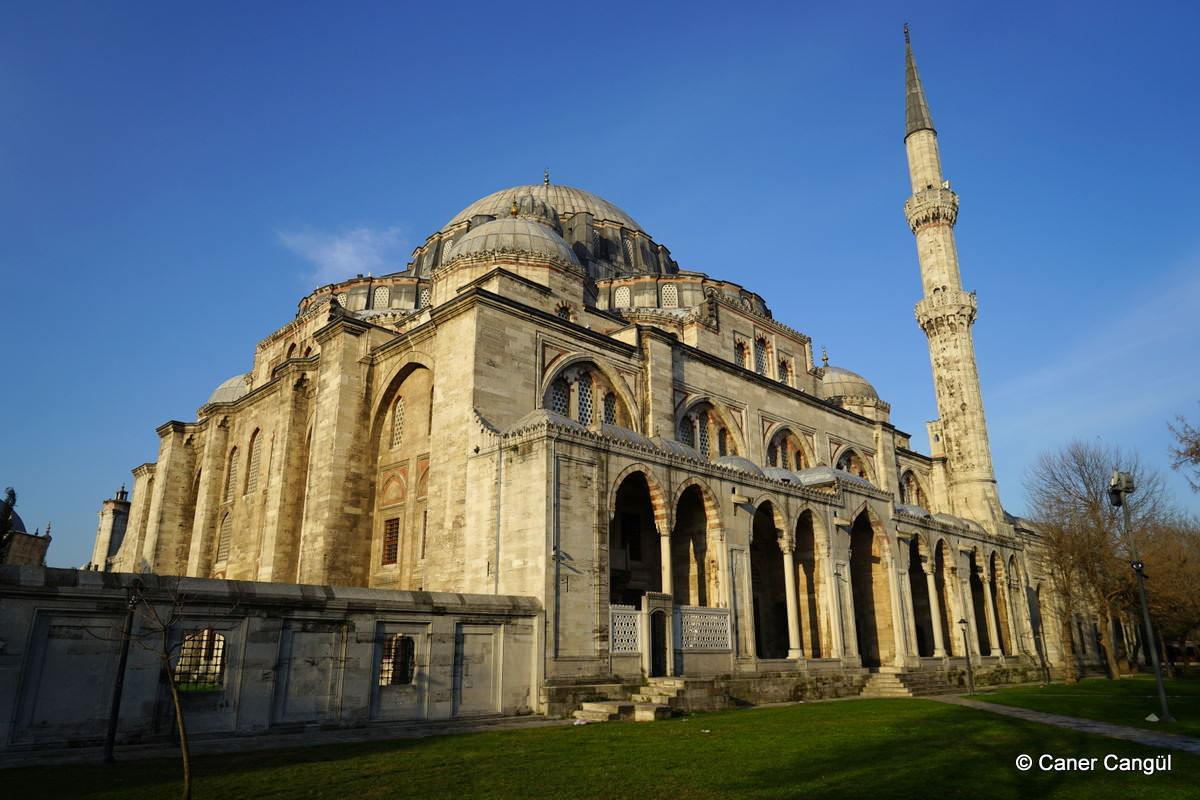
Şehzadebaşı Camii
Location | Istanbul | ||||||||
|---|---|---|---|---|---|---|---|---|---|
Style | Classical Ottoman Architecture | ||||||||
Architect(s) | Mimar Sinan | ||||||||
Sultan | Kanuni Sultan Süleyman | ||||||||
Şehzadebaşı Camii is an Ottoman mosque located in the Fatih district of Istanbul, between Beyazıt and Edirnekapı, place area important. One of the first large mosques designed by Sinan, Şehzadebaşı Camii is among the most distinguished examples of Ottoman classical architecture. Built in memory of Mehmed, the son of Kanuni Sultan Süleyman, who died in Manisa in 1543, the mosque is also regarded as one of Mimar Sinan’s early period works.

Şehzadebaşı Camii (Fatih District Governorship)
Şehzadebaşı Camii features a centralized plan. The mosque is covered by a large dome, which is supported by four half domes. This structural order creates a symmetrical balance within the interior space. The transition to the dome is achieved using pendentives. Sinan increased the amount of natural light entering the interior by incorporating numerous windows and maintained a luminous unusual atmosphere. Additionally, the exterior façade features elegant stone craftsmanship and ornamentation.
Courtyard is surrounded by a sixteen-domed fountain, which rises on twelve column. The transition between the courtyard and the mosque is arranged symmetrically. The minaret of Şehzadebaşı Camii, unlike typical minarets of the period, is adorned with relief decorations and was praised by Evliya Çelebi.
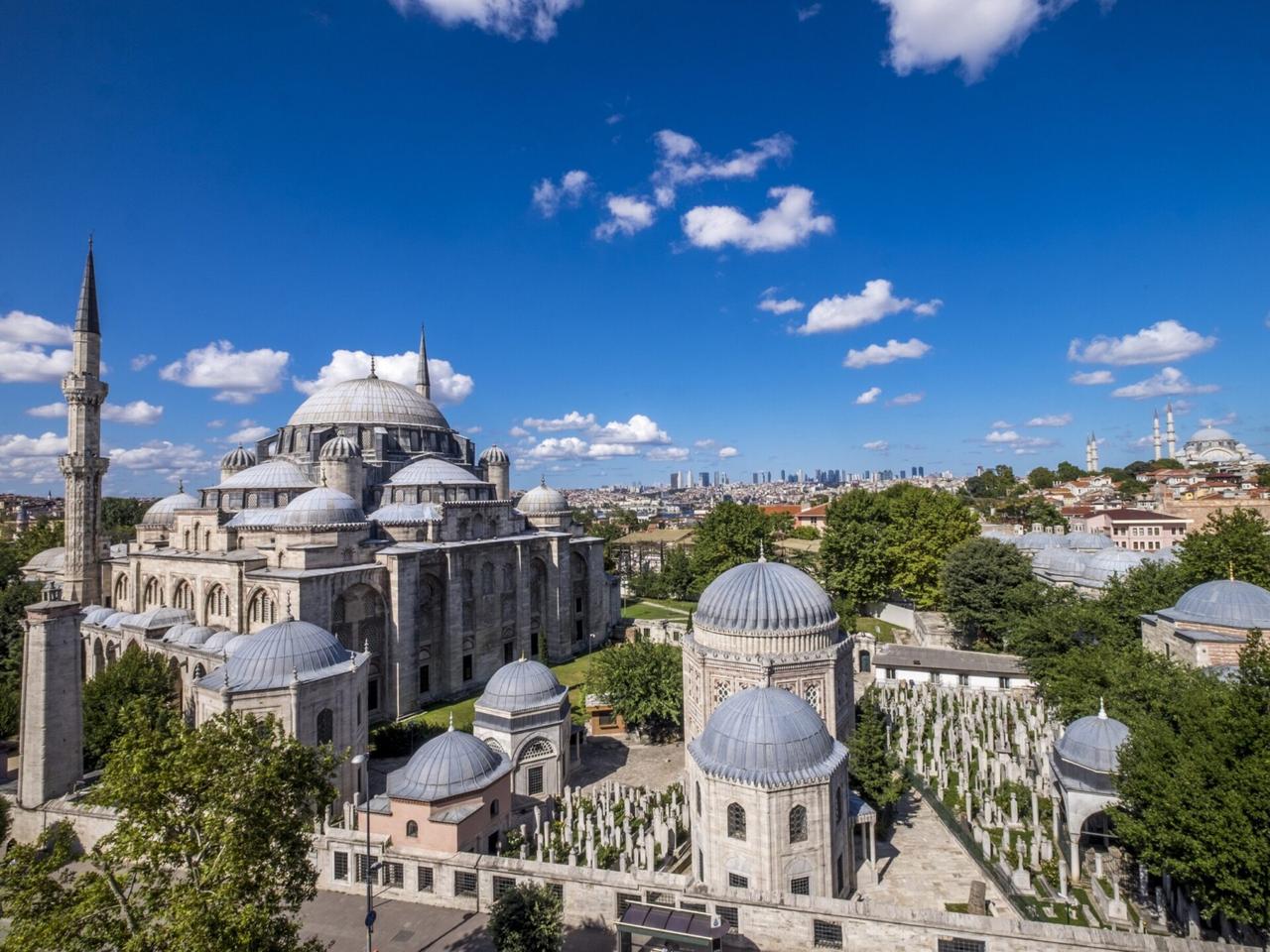
Şehzadebaşı Camii (Esenler Municipality)
Şehzadebaşı Camii was constructed as a külliye, which includes, alongside the mosque, row madrasa, an imaret, a sıbyan mektebi, a tabhâne, tombs and sebils like. The külliye is situated along Vezneciler Caddesi with the mosque and hazire sections, while the other structures are located along Dedeefendi Caddesi. To meet the water needs of the community, structures such as the Emine Hanım Çeşmesi were also included.
The fountain in the mosque courtyard is one of the elegant examples of Ottoman architecture and serves a functional purpose. Additionally, the medrese within the külliye was used for educational purposes and served the religious education needs of the region.

Şehzadebaşı Camii (Fatih District Governorship)
Şehzadebaşı Camii and its külliye have undergone several restorations over the centuries. Structures damaged by fires in 1613 and 1633 were repaired during the reign of IV. Murad. In the fires of 1718 and 1782, the upper sections of the minaret were completely destroyed, but repairs were carried out to preserve the building’s integrity.
In the early 20th century, partial repairs conducted in 1916 and 1953 improved the damaged areas of the structure. Comprehensive restorations between 1994 and 1999 contributed significantly to the preservation of the mosque’s historical fabric.
Culture Inventory. "Şehzade Mehmet Camii." Culture Inventory. Accessed April 22, 2025. https://kulturenvanteri.com/yer/sehzade-mehmet-camii/#17.1/41.013821/28.957209.
Fatih Belediyesi. "Şehzade Camii." Accessed April 22, 2025. http://www.fatih.gov.tr/sehzade-camii.
Islamic Encyclopedia. "Şehzade Külliyesi." Islamic Encyclopedia. Accessed April 22, 2025. https://islamansiklopedisi.org.tr/sehzade-kulliyesi.

Şehzadebaşı Camii
Location | Istanbul | ||||||||
|---|---|---|---|---|---|---|---|---|---|
Style | Classical Ottoman Architecture | ||||||||
Architect(s) | Mimar Sinan | ||||||||
Sultan | Kanuni Sultan Süleyman | ||||||||
Architectural Features
Külliye Structures
Restoration and Preservation