


+1 More

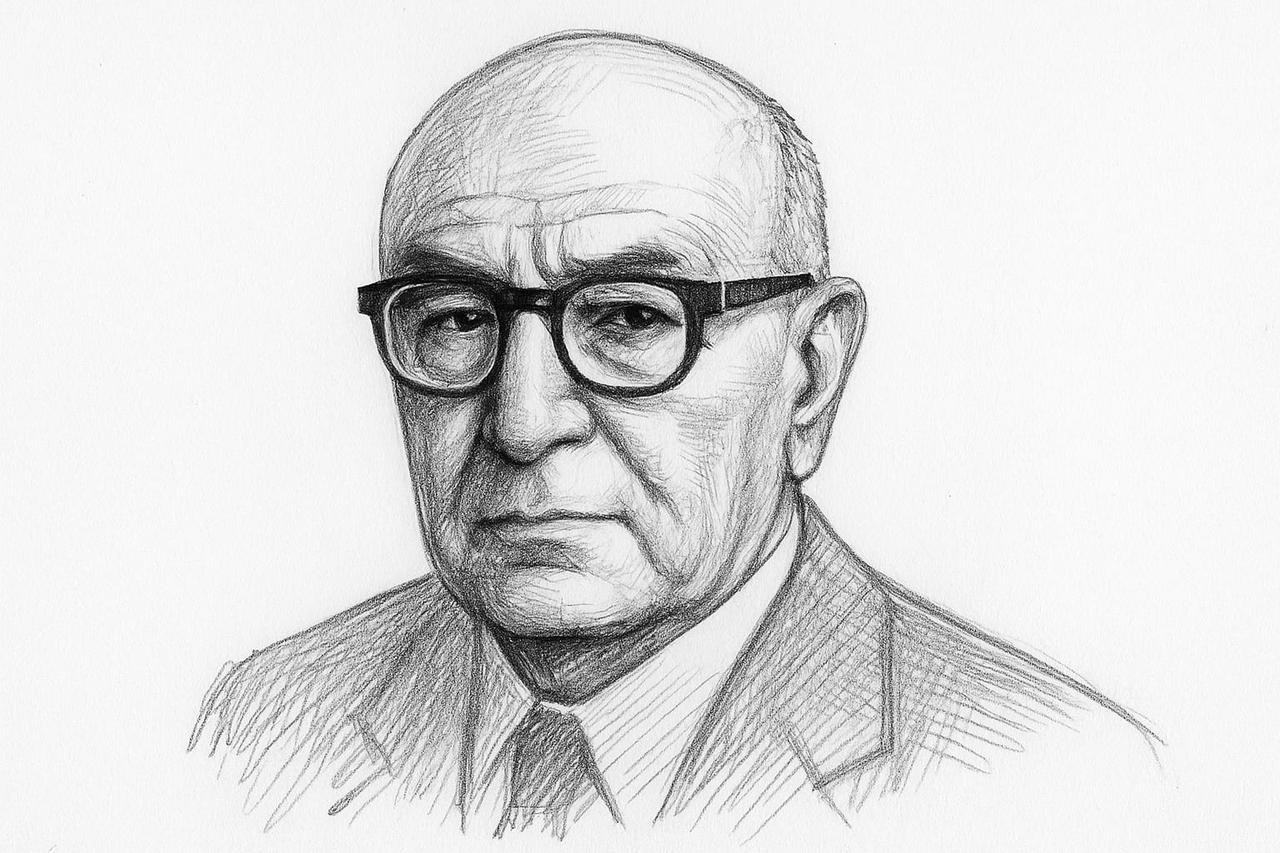
Şevket Süreyya Aydemir (generated by artificial intelligence).
Year of Birth | 1897 | ||||||||
|---|---|---|---|---|---|---|---|---|---|
Place of Birth | Edirne, Türkiye | ||||||||
Babası | Mehmet Ağa | ||||||||
Annesi | Şaziye Hanım | ||||||||
Ölüm tarihi | 1976-03-25 | ||||||||
Şevket Süreyya Aydemir is a Turkish writer, intellectual, and researcher. He is known for his works in biography, analysis, and history, which have made a significant contribution to Turkish literature and intellectual life.
Şevket Süreyya Aydemir was born in 1897 in Edirne. His father, Mehmet Ağa, was a gardener from a wealthy family. His mother, Şaziye Hanım, was literate, read religious books to neighborhood residents, and engaged in sewing. Aydemir learned to read and write from his mother. He was the third of three sons in the family.
Aydemir received his primary education at the neighborhood school and later attended the Military Rüştiye. At the age of eleven, due to his early interest in politics, he joined the Committee of Union and Progress. During the Balkan Wars, he lost his mother and one of his older brothers. He was among the children sent to Istanbul after the occupation of Edirne. He enrolled at the Kuleli Military High School but, upon his father’s request, returned to Edirne after its recapture and continued his education at the Edirne Darülmuallimin (Teacher Training School). There he received teacher training and gained knowledge about Western educational systems. During this period, he adopted Turanist views.
During World War I, Şevket Süreyya Aydemir volunteered for the Ottoman Army and served on the Caucasus Front. He performed duties at the front and was wounded during this time. He lived in regions of the Caucasus inhabited by various ethnic groups and made numerous observations. He also pursued personal reading and study activities during this period.
After World War I, Aydemir returned to Edirne and completed his teacher training. Between 1919 and 1920, he worked as a teacher in the town of Nukha in Azerbaijan. During this assignment, he witnessed various social and political events in the region. He later moved to Batum, where he attended meetings of the Turkish Communist Party and participated in its activities.
He traveled to Moscow and studied at the Communist University of the Toilers of the East. During this time, he learned Russian and undertook various practical training assignments.
In 1923, he returned to Türkiye. He wrote articles on Marx and Lenin for the journal Aydınlık. In 1924, he co-authored the book Lenin and Leninism with Sadrettin Celal Antel. In 1925, he became a member of the Central Committee at the third congress of the Turkish Communist Party (TKP). He assumed responsibility for the magazine Orak-Çekiç, published in 1925. He was tried by the Ankara Independence Court for distributing pamphlets on behalf of the Türkiye İşçi ve Çiftçi Fırkası and was sentenced to ten years in prison.
In Afyon Prison, he organized literacy courses for inmates and wrote the book Muasır Türkiye’nin İktisadi İnkişaf İstikametleri. In 1927, he was released from prison under a general amnesty; the same year he was tried again and acquitted.
In 1928, he settled in Ankara and worked as an assistant at the General Directorate of Higher and Technical Education. He later held positions such as director of the Ankara Trade School, director of Economics at the Ankara Municipality, and chairman of the Economic Ministry’s Industrial Research Board. Between 1942 and 1946, he served as a member of the Prime Ministry’s High Audit Board and as chairman of the Economic Ministry’s Research Council.
In 1932, he began publishing the journal Kadro together with Yakup Kadri Karaosmanoğlu. In the journal, he wrote articles on the ideological foundations of the revolutions. The publication of Kadro ended in 1934.
Şevket Süreyya Aydemir died in Ankara on 25 March 1976 and was buried there.
Sanlı, Ferit Salim. “Şevket Süreyya Aydemir’in Tarihî Metinlerinde Türk İnkılâbına Eleştiriler.” Türkiyat Mecmuası-Journal of Turkology 31, no. 1 (2021): [makale numarası]. Accessed September 30, 2025. Erişim Adresi.
Türk Edebiyatı İsimler Sözlüğü. "Şevket Süreyya Aydemir." Accessed September 30, 2025. Erişim Adresi.
Uğurcan, Sema. Tarih ile Edebiyat Arasında: Şevket Süreyya Aydemir’in Kitaplarında Bütünlük, Otobiyografi, Otobiyografik Roman, Biyografiler. Atatürk Kültür, Dil ve Tarih Yüksek Kurumu Yayınları. Accessed September 30, 2025. Erişim Adresi.
Yılmaz, Eray. “Şevket Süreyya Aydemir ve Milli Sol Yaklaşım.” Cumhuriyet Tarihi Araştırmaları Dergisi 8, no. 16 (Fall 2012). Accessed September 30, 2025. Erişim Adresi.
Zorlu, Atilla. 2024. “Şevket Süreyya Aydemir'in Hayatı, Fikir Dünyası, Kemalizm'e Katkısı ve Eserleri.” Journal of Management Theory and Practices Research, Volume 5, Issue 2, December 2024. Accessed September 30, 2025. Erişim Adresi.
Şevket Süreyya Aydemir (generated by artificial intelligence).
Year of Birth | 1897 | ||||||||
|---|---|---|---|---|---|---|---|---|---|
Place of Birth | Edirne, Türkiye | ||||||||
Babası | Mehmet Ağa | ||||||||
Annesi | Şaziye Hanım | ||||||||
Ölüm tarihi | 1976-03-25 | ||||||||
No Discussion Added Yet
Start discussion for "Şevket Süreyya Aydemir" article
Early Life and Family
Education and Early Youth
Political Identity
World War I and the Caucasus Period
Azerbaijan and the Communist Party Period
Return to Türkiye and Court Proceedings
Bureaucracy and State Service
Literary Identity
Kadro Magazine and Publishing Activities
Works
Autobiography and Life Story
Biography and Historical Analysis
Novels and Fictional Works
Thought and Economic Studies
Death