


This article was automatically translated from the original Turkish version.
+1 More
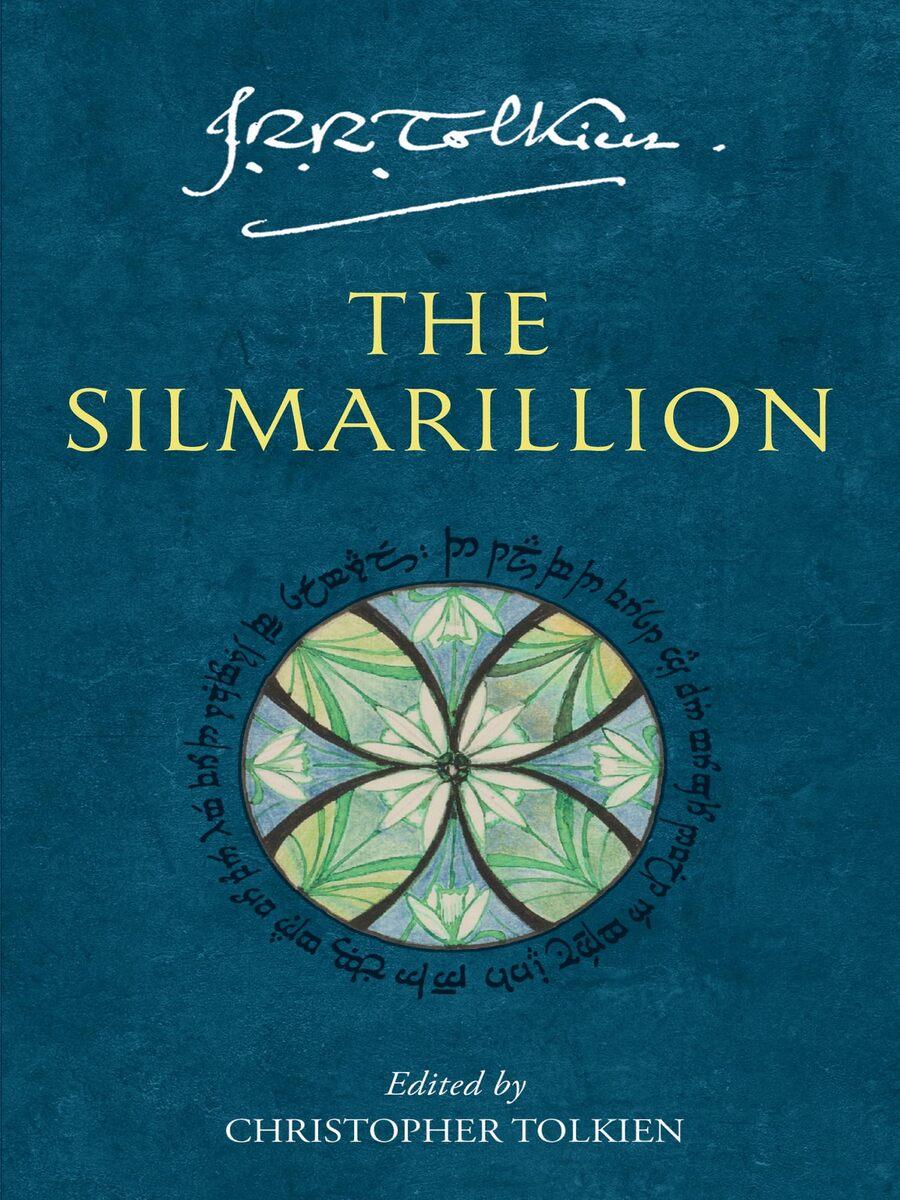
Silmarillion
Author(s) | J.R.R. Tolkien | ||||||||
|---|---|---|---|---|---|---|---|---|---|
Title of Work | The Silmarillion | ||||||||
Page | 512 | ||||||||
Publisher(s) | George Allen & Unwin | ||||||||
Editor | Christopher Tolkien | ||||||||
Type(s) | Fantasy Mythological Fiction | ||||||||
Original Language | English | ||||||||
Publication Date | 1977 | ||||||||
Published after the death of J.R.R. Tolkien, The Silmarillion is a compiled work that forms the historical and mythological foundation of the author’s fictional universe of Middle-earth. This text systematically narrates events from the creation of the universe up to the Third Age, providing the background for works such as The Hobbit and The Lord of the Rings. The manuscripts, left unfinished during Tolkien’s lifetime, were edited by his son Christopher Tolkien and prepared for publication in 1977.
The first section of the work, Ainulindalë, describes the creation process of Tolkien’s fictional universe, Eä. The shaping of the universe is explained through the music of the Ainur, divine beings created by Eru Ilúvatar. The act of creation diverges when Melkor, one of the Ainur, attempts to impose his own design. This narrative provides a mythological framework for the origin of the universe.
This section introduces the spiritual beings known as the Valar and the Maiar. The Valar are supreme entities responsible for the order of the universe, while the Maiar serve as their assistants. The origins of several characters who appear in The Lord of the Rings are also detailed here.
The longest section of the book, Quenta Silmarillion, covers the origins of the Elves, the creation of the Silmarils, and the events that unfold around these jewels. The Silmarils, crafted by the Elf Fëanor, become central to many conflicts in the history of Middle-earth. Melkor’s theft of the Silmarils and the ensuing wars shape divisions among the Elven peoples and define key historical events.
This section recounts the rise and fall of the race of Men. It details how the advanced civilization established on the island of Númenor, corrupted by its desire for power and immortality, is led to destruction. The downfall of Númenor marks the end of the Second Age in Tolkien’s narrative.
The final section addresses the forging of the Rings of Power and Sauron’s influence over Middle-earth. The interactions among Elves, Dwarves, and Men culminate in the beginning of the Third Age. This section directly connects to the events narrated in The Lord of the Rings.
The Silmarillion shares structural similarities with mythological chronicles and epic narratives. Its narrative style closely resembles that of classical epic poetry. The inclusion of constructed languages (Quenya, Sindarin), genealogies, and detailed geography reflects Tolkien’s philological approach. Due to the extensive background knowledge required, the work can be challenging for some readers. Nevertheless, it is regarded by academic circles as an exceptional example of a deliberately created mythology.
J.R.R. Tolkien worked on the text throughout his life but never completed it for publication. After his death, his son Christopher Tolkien compiled the existing notes, made editorial decisions to unify and organize fragmented passages, and prepared the book for publication in 1977. Although the final version is not a text fully completed by the author himself, it was constructed with fidelity to Tolkien’s original vision.
Drout, Michael D.C., ed. J.R.R. Tolkien Encyclopedia: Scholarship and Critical Assessment. New York: Routledge, 2006.
Flieger, Verlyn. Splintered Light: Logos and Language in Tolkien’s World. Kent, OH: Kent State University Press, 1983.
Garth, John. Tolkien and the Great War: The Threshold of Middle-earth. Boston: Houghton Mifflin, 2003.
Hammond, Wayne G., and Christina Scull. The J.R.R. Tolkien Companion and Guide. Boston: Houghton Mifflin, 2006.
Shippey, Tom. The Road to Middle-earth. Boston: Houghton Mifflin, 2003.
Tolkien, J.R.R. The Silmarillion. Edited by Christopher Tolkien. London: George Allen & Unwin, 1977.

Silmarillion
Author(s) | J.R.R. Tolkien | ||||||||
|---|---|---|---|---|---|---|---|---|---|
Title of Work | The Silmarillion | ||||||||
Page | 512 | ||||||||
Publisher(s) | George Allen & Unwin | ||||||||
Editor | Christopher Tolkien | ||||||||
Type(s) | Fantasy Mythological Fiction | ||||||||
Original Language | English | ||||||||
Publication Date | 1977 | ||||||||
No Discussion Added Yet
Start discussion for "Silmarillion (Book)" article
Sections of the Book
Ainulindalë
Valaquenta
Quenta Silmarillion
Akallabêth
The Rings of Power and the Third Age
Thematic Structure
Literary and Cultural Significance
Preparation for Publication