


This article was automatically translated from the original Turkish version.
+1 More
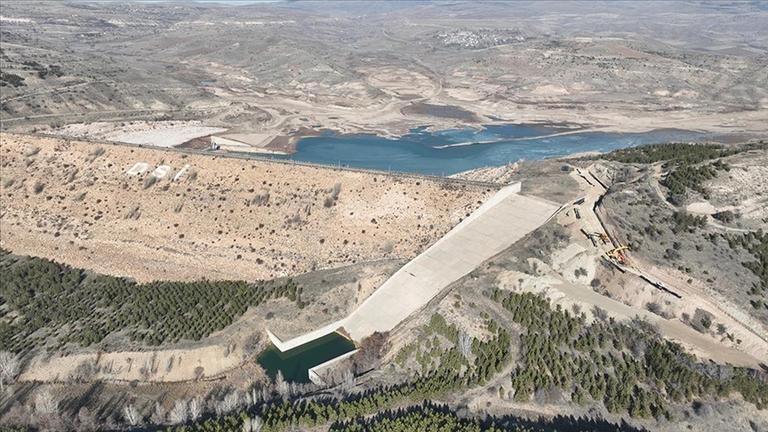
Sivas 4 Eylül Dam, located in the Sivas province of Türkiye, is a water source constructed for the purpose of drinking water supply. Situated on the Mısmıl River and built between 1996 and 2002, this dam meets a significant portion of Sivas city’s drinking water demand. The dam’s total storage capacity is determined as 85 hm³, with an active volume of 80.55 hm³.
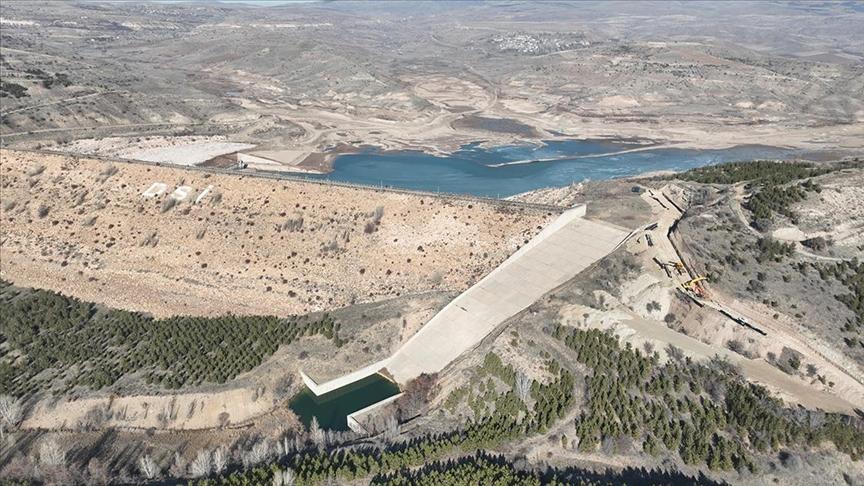
Sivas 4 September Dam - Photo: Halife Yalçınkaya/AA
Location: Sivas Province, Mısmıl River
Construction Years: 1996–2002
Dam Type: Zoned earthfill
Watershed Area: 236.8 km²
Height from Thalweg: 60 metres
Height from Foundation: 65 metres
Embankment Fill Volume: 4,185,952 m³
Total Storage Capacity: 85 hm³
Active Storage Capacity: 80.55 hm³
Maximum Water Elevation: 1393.70 metres
Minimum Water Elevation: 1355 metres
Surface water supplied by the dam is treated at the Sivas Municipality Drinking Water Treatment Plant before being fed into the distribution network. The treatment processes applied at the plant are as follows:
1. Coagulation and Flocculation: Water purification is achieved using potassium permanganate (KMnO₄), ferric chloride (FeCl₃), and anionic polyelectrolyte as coagulants.
2. Filtration and Disinfection: Chemical filtration processes are employed to remove contaminants such as manganese from the water.
3. Ozonation: Ozone units commissioned between 2018 and 2021 enhance the disinfection of the water.
Water from 4 Eylül Dam is transferred to the Reservoir and Factory Reservoir located at mid and lower elevations of the city. A pumping line is required to supply water to higher elevations. Therefore, a 52-kilometre transmission line project has been completed to transfer 84.2 million m³ of water annually from Pusat Dam to 4 Eylül Dam.
The dam catchment area is an important region for water resource protection. However;
Pollution Risk: Waste water control must be ensured due to settlements in certain villages within the dam basin.
Climate Change and Water Resources: Global warming and declining rainfall rates are causing reductions in water levels.
Impact of Agricultural Activities: Substances entering the dam from tributaries negatively affect water quality during rainy periods.
In addition to serving as Sivas’s primary drinking water source, the 4 Eylül Dam is supported by various projects aimed at ensuring future water security. Future plans include:
Pumping Station and Conveyance Line Project: Water from the dam will be delivered to higher elevations.
Pusat Özen Dam Connection: An annual supplement of 84.2 million m³ of water will be provided to 4 Eylül Dam.
Water Conservation and Leak Prevention Efforts: The loss-leakage rate has been reduced from 40% to 30%, with further reduction targeted.
Alternative Water Sources: Research continues on preserving existing water sources and ensuring sustainable use of groundwater.

No Discussion Added Yet
Start discussion for "Sivas 4 September Dam" article
Physical and Technical Characteristics
Drinking Water Supply and Treatment Process
Hydrological and Water Quality Characteristics
Conveyance and Distribution System
Ecological and Environmental Impacts
Importance to Sivas and Future Plans