

This article was automatically translated from the original Turkish version.
+1 More
Sivas Castle is a historically and culturally significant defensive structure located in the city center of Sivas, in Türkiye’s Central Anatolia Region. The castle played a central role in the development of the city, having been inhabited since prehistoric times and gradually acquiring military, civil, and tourist identities. Archaeological findings indicate that the castle and its surroundings have been settled since the early second millennium BCE.
Excavations conducted in 1946 by Archaeologist Professor Dr. Tahsin Özgüç at Topraktepe, where Sivas Castle stands, revealed that the region had been inhabited since the early second millennium BCE. Like many cities in Anatolia, Sivas has been influenced by various civilizations throughout history, and the castle gained importance as a military and strategic base during this process.
During the Seljuk period, under Sultan I. Alaattin Keykubat, the walls of Sivas were repaired in response to the looming Mongol threat. This restoration coincided with the period before the Battle of Köse Dağ in 1243 between the Seljuk and Mongol armies. The castle inscription from this era is currently preserved at the Sivas Museum.
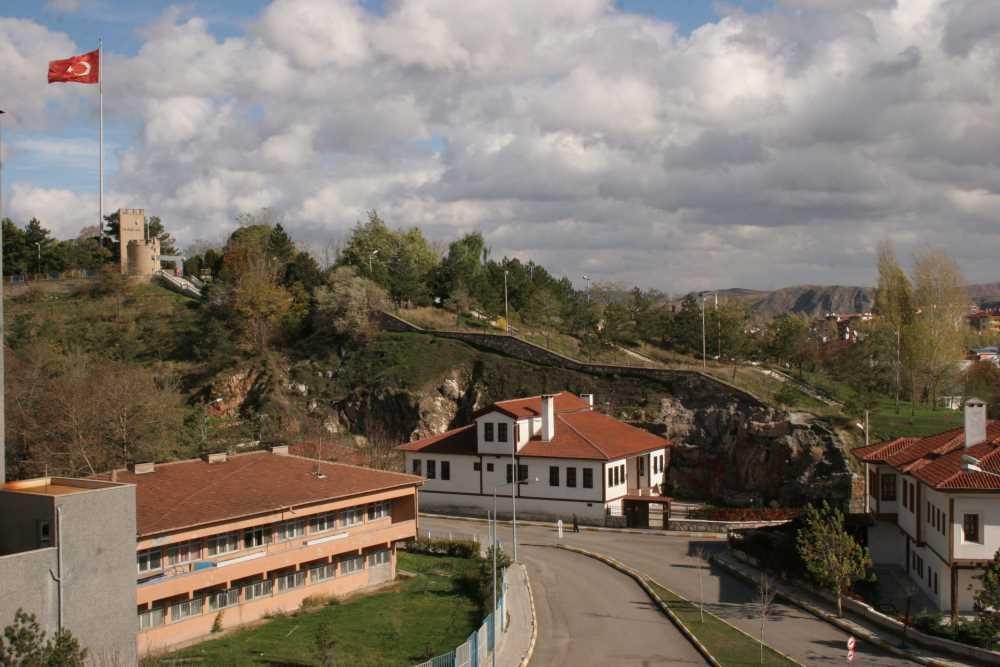
Sivas Castle (Culture Portal)
According to historical sources, Sivas Castle was surrounded by outer walls that completely encircled the city. These walls had between five and seven gates. Variations in the number of gates are linked to additions or closures during repairs. Known gates include Kayseri Gate, Dolap Gate, Tokmak Gate, Cancun Gate, Şalpur Gate, Baghdad Gate, and Tokat Gate. These gates held strategic importance in relation to transportation and trade routes around the castle.
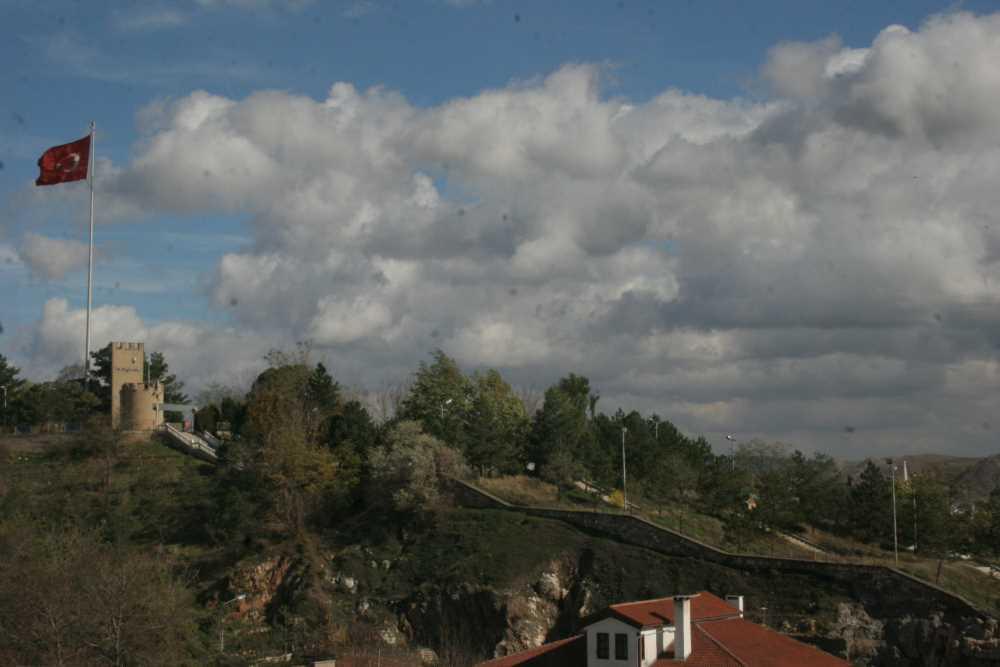
Sivas Castle (Culture Portal)
The clock tower, built in 1803 by Alaaddin Paşa within the castle, functioned until the 1940s, providing the city with timekeeping services. The tower is currently being reconstructed in accordance with its original design through initiatives by the Sivas Municipality. According to statements by Mayor Dr. Adem Uzun, this structure is viewed as part of the municipality’s commitment to preserving the city’s historical and cultural heritage, with the goal of opening it to public visitation. The clock tower will regain its function as a symbolic structure connecting the past with the future.
The Castle Project, led by the Sivas Municipality, aims to transform Sivas Castle into a tourism and cultural center. As part of this initiative, land acquisition has been completed over an area of 41,000 square meters, and demolition work has begun. The first phase of the project is being implemented with a 10 million lira grant from the Ministry of Development.
The project envisions the construction of accommodations, boutique hotels, and handicraft bazaars that are compatible with the historical and natural fabric of the site. With the removal of non-conforming structures and the Seljuk Middle School, only civil buildings consistent with the historical architecture are being preserved and restored. In this way, the project seeks not only to revitalize the historical texture but also to contribute to cultural tourism.
The Castle Project holds significance not only in architectural and tourism terms but also in terms of cultural production. The spaces created under the project have the potential to serve as open-air filming sets for the cinema industry. This will enable Sivas Castle to assume an active role in the city’s cultural life and be reintroduced with the identity of a historic Sivas neighborhood.

History
Castle Structure and Gates
Clock Tower and Historical Restoration Efforts
Castle Project and Tourism-Oriented Transformation
Open-Air Plaza and Cultural Interaction