


This article was automatically translated from the original Turkish version.
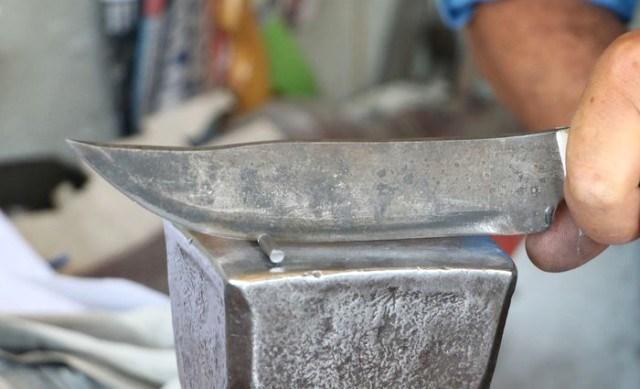
Sivas Knife
Production Site | Sivas | ||||||||
|---|---|---|---|---|---|---|---|---|---|
Usage Area | Butchering, Hunting, Household goods | ||||||||
The Sivas knife is a handcrafted product belonging to the traditional crafts of Türkiye, with production continuing for many years. Knife-making activity is recognized as part of the cultural heritage of Sivas Province, forming a local area of expertise in both production techniques and the variety of materials used.
The history of knife production in Sivas extends back to the Ottoman period. This craft continues to be practiced today, primarily based on workshop-based handcrafting. In the production process, materials such as steel, brass, horn, and various types of wood are used, and knives are shaped according to traditional techniques.
Sivas knives are typically produced with a single edge and a cutting function. Materials used in the handles include wood, horn, and metal alloys. Functionality is the primary consideration in production, and some examples feature surface decorations and carvings. Sharpness, weight balance, and durability are key structural characteristics of these knives.
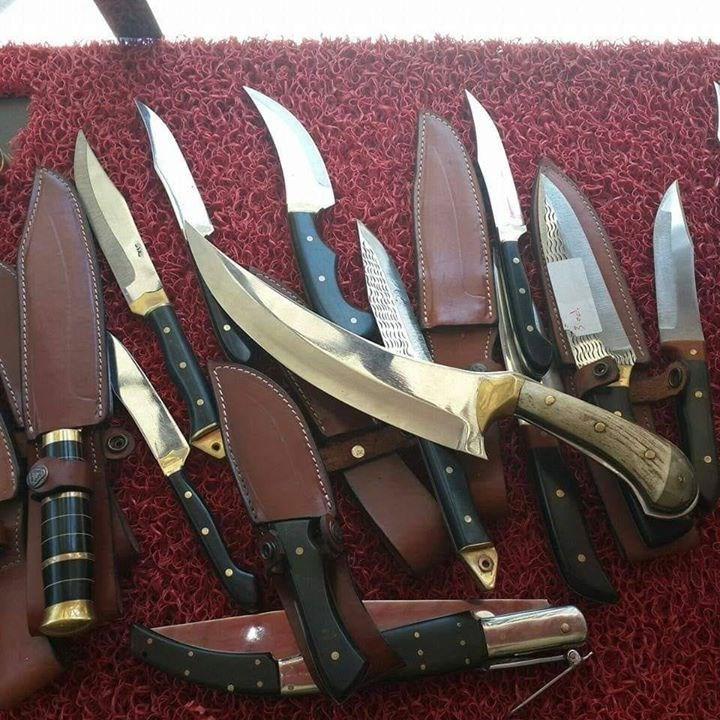
Sivas Knife (Sivas Governorate)
Knife production in Sivas Province is regarded both as a source of livelihood and as a cultural activity. Production increases notably during periods such as before Eid al-Adha. This seasonal demand is reflected in the production capacity of workshops. Demand from local communities as well as from other cities also influences production volume.
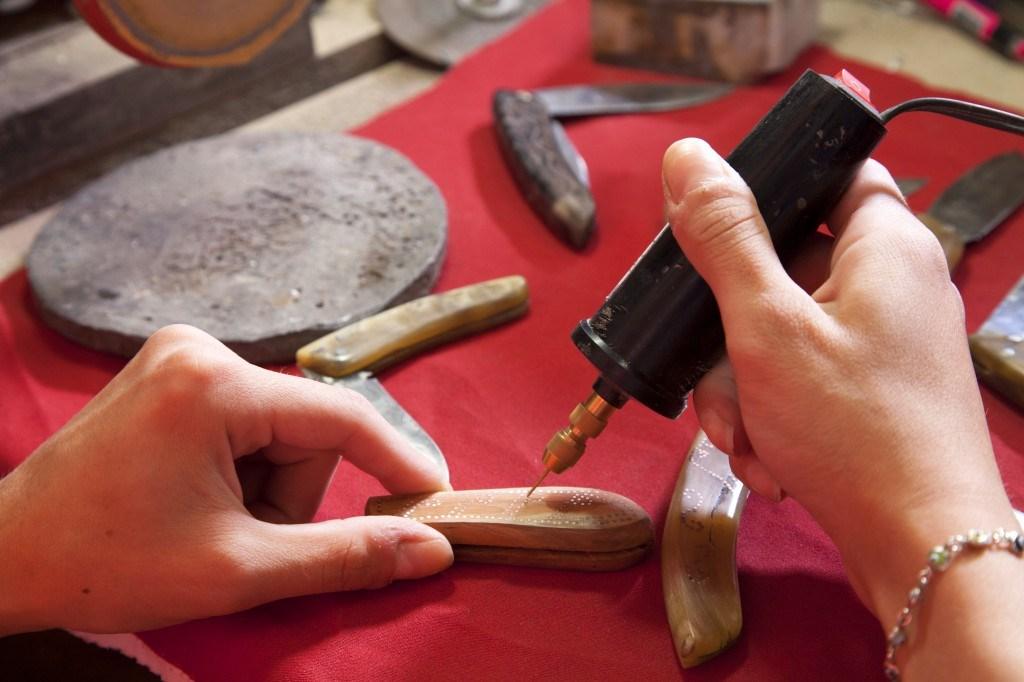
Carving the Knife Handle (Sivas Governorate)
Various institutions have initiated efforts to secure a geographical indication for the Sivas knife. This process aims to preserve the product’s local characteristics and define specific quality standards. The registration of the geographical indication is significant for promoting the product at both national and international levels.
Accessed November 26, 2025.
Anadolu Ajansı. "Kurban Bayramı Öncesi Sivas Bıçağı Ustalarının Mesaisi Yoğunlaştı." AA, 2023.
Anadolu Ajansı. "Sivas Bıçağı Tescil Yolunda." AA.
Anadolu Ajansı. "Ürettikleri Sivas Bıçağı Çiviyi Kesiyor." AA, 2017.
Ministry of Culture and Tourism of the Republic of Turkey. "Sivas Bıçağı." Kültür Portalı. Accessed June 18, 2025.
Sivas Valiliği of the Republic of Turkey. "Bıçakçılık." sivas.gov.tr.
Sivas Valiliği of the Republic of Turkey. "Sivas Bıçağı Türkiye’nin Markası Olacak." sivas.gov.tr.

Sivas Knife
Production Site | Sivas | ||||||||
|---|---|---|---|---|---|---|---|---|---|
Usage Area | Butchering, Hunting, Household goods | ||||||||
Historical Development and Production Process
Structural Features
Economic and Socio-Cultural Dimensions
Geographical Indication and Registration Process