


This article was automatically translated from the original Turkish version.
+2 More
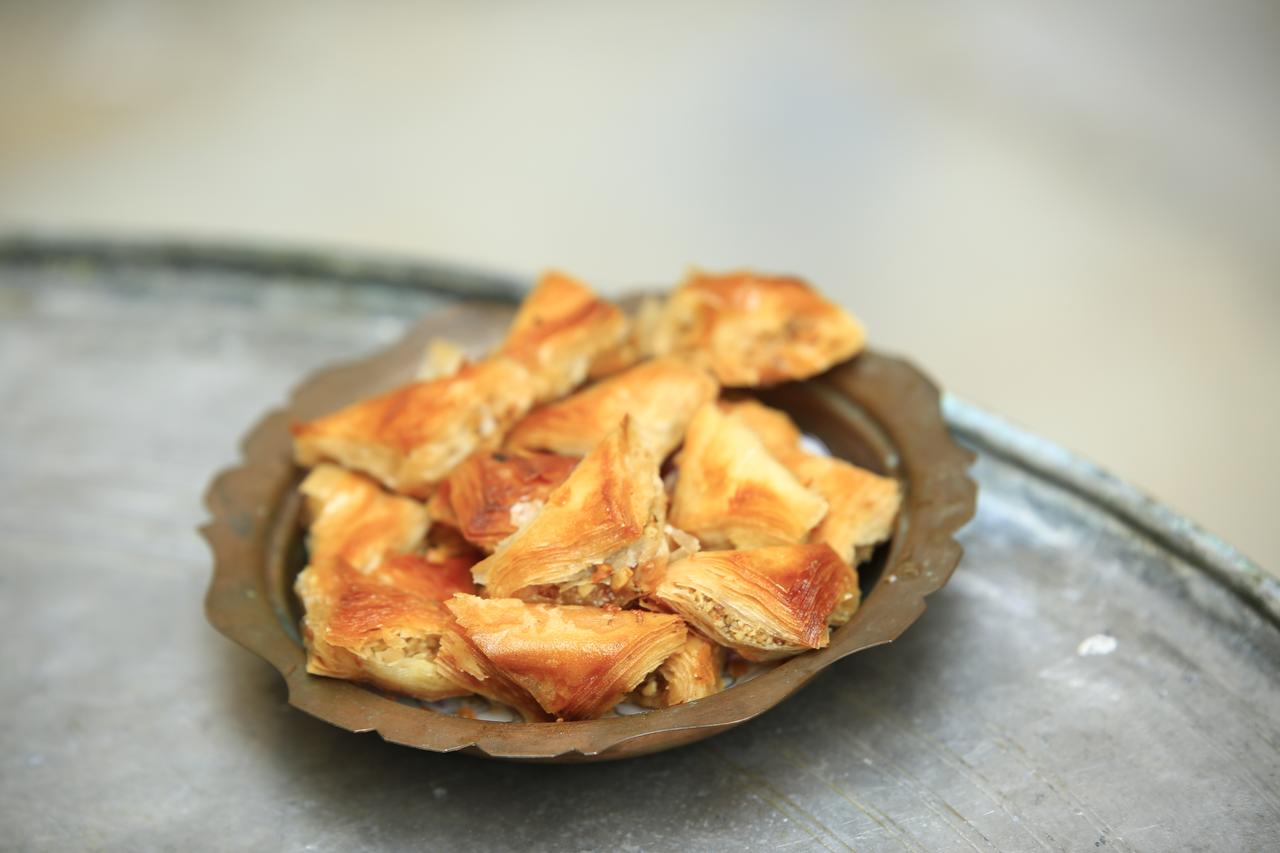
Sivrihisar Muska Baklava
Registration Number | 381 | ||||||||
|---|---|---|---|---|---|---|---|---|---|
Application Number | C2017/022 | ||||||||
Application Date | 12.04.2017 | ||||||||
Registration Date | 05.09.2018 | ||||||||
Applicant/Registrant(s) | Sivrihisar Municipality | ||||||||
Product / Product Group(s) | Baklava / Baking and Confectionery Products Desserts | ||||||||
Sivrihisar Muska Baklava is a traditional variety of baklava unique to the Sivrihisar district of Eskişehir province, prepared by layering very thin sheets of phyllo dough with walnuts, folding them into a triangular (muska) shape, baking, and then soaking in syrup.
Sivrihisar Muska Baklava belongs to the product group of bakery and pastry items, dough products, and sweets, specifically within the baklava category. It has been officially registered as a “geographical indication” by the Turkish Patent and Trademark Office.
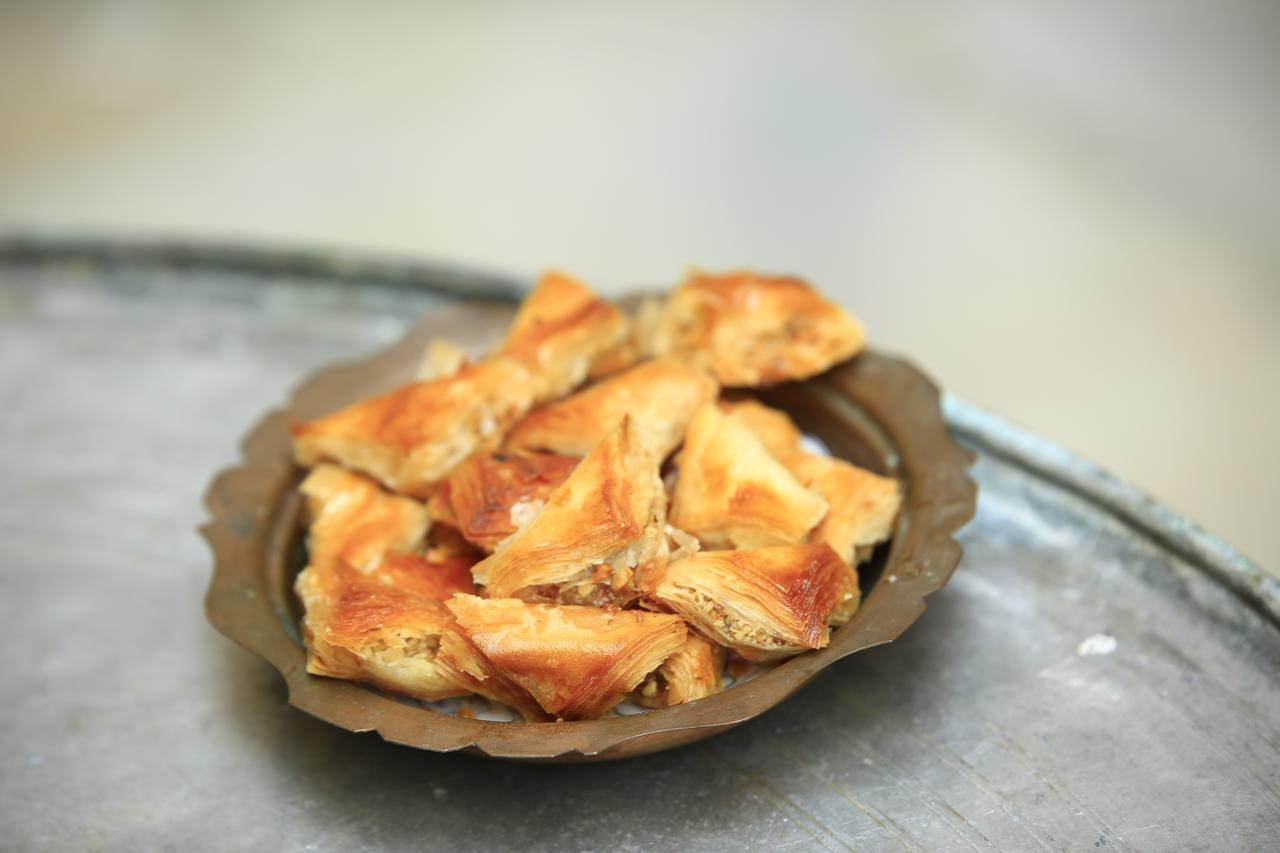
Sivrihisar Muska Baklava (Turkish Patent and Trademark Office)
Sivrihisar Muska Baklava shares similarities with other types of baklava in terms of ingredients and preparation stages but differs in its shape, structure, appearance, and presentation. It follows a recipe passed down through generations. Very thin sheets of phyllo are layered with walnuts, folded into a triangular shape, baked, and then soaked with syrup at room temperature. The syrup is also applied at room temperature. It can be consumed either with or without syrup.
The materials and production steps required for Sivrihisar Muska Baklava are detailed below:
Walnuts (Filling): 150 grams of thin-shelled walnuts are finely chopped with a knife, but not ground to a paste. The walnut content in the finished baklava must be at least 15%.
Butter (for Baking): 500 grams of butter is melted.
Syrup: 540 grams of water and 680 grams of sugar are boiled. During the last five minutes of the approximately 30-minute boiling process, 5 grams of lemon juice is added. The syrup is then removed from heat and cooled to room temperature.
The application for geographical indication registration of Sivrihisar Muska Baklava was submitted by the Sivrihisar Municipality. The application, numbered C2017/022, was filed on 12 April 2017. Following the evaluation process, the product was officially registered as a “geographical indication” on 5 September 2018 under registration number 381. The registrant’s address is recorded as Republic Neighborhood, Süleyman Demirel Street No:1, Sivrihisar / Eskişehir.
Turk Patent and Trademark Office. "Sivrihisar Muska Baklavası – Coğrafi İşaret Tescil Belgesi." Accessed May 29, 2025. https://ci.turkpatent.gov.tr/cografi-isaretler/detay/38261.
Turk Patent and Trademark Office. 2018. *Sivrihisar Muska Baklava Geographical Indication Registration Certificate*. Registration No. 381. Ankara: Turk Patent and Trademark Office. Accessed May 26, 2025.

Sivrihisar Muska Baklava
Registration Number | 381 | ||||||||
|---|---|---|---|---|---|---|---|---|---|
Application Number | C2017/022 | ||||||||
Application Date | 12.04.2017 | ||||||||
Registration Date | 05.09.2018 | ||||||||
Applicant/Registrant(s) | Sivrihisar Municipality | ||||||||
Product / Product Group(s) | Baklava / Baking and Confectionery Products Desserts | ||||||||
No Discussion Added Yet
Start discussion for "Sivrihisar Muska Baklava" article
Product Profile and Geographical Indication Type
Product Definition and Distinctive Characteristics
Production Method
Ingredients:
Dough Preparation:
Registration Process and Details