


This article was automatically translated from the original Turkish version.
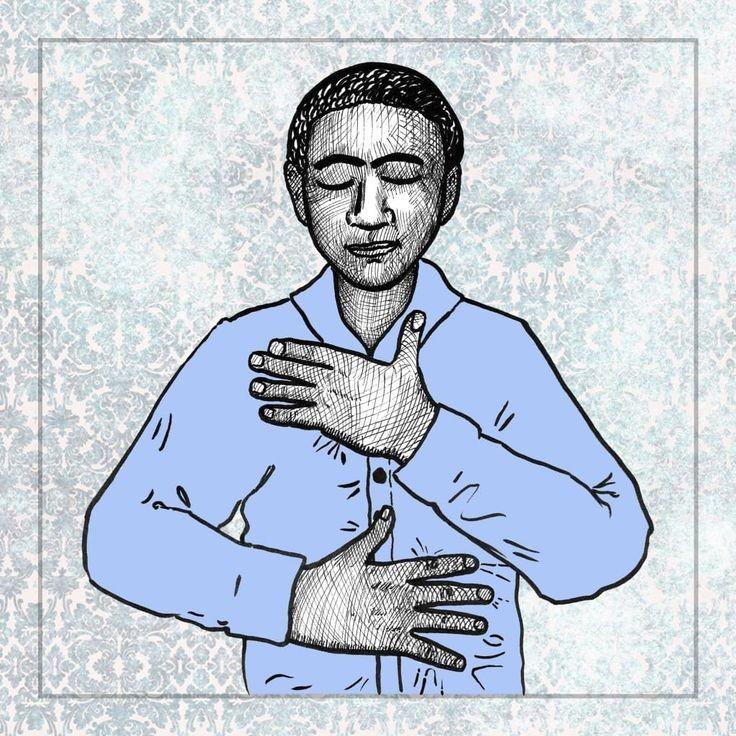
Somatic Experiencing is one of the trauma-focused therapeutic approaches developed by Peter Levine. Levine argued that trauma becomes trapped within the body and that, in order to release it, the individual must first reconnect with their physical sensations. He noted that traditional therapy methods often neglect the body and attempt to address and treat difficult-to-access trauma experiences through verbal dialogue alone, leading him to believe a new approach was needed to reach the body’s stored trauma. For this reason, long Levine studied how animals respond to threatening situation situations and how they naturally recover without becoming traumatized. Believing that humans possess the same innate capacity, he developed the Somatic Experiencing approach.
When our nervous system encounters an unexpected or threatening situation, it shifts into survival mode to reorganize itself and restore bodily balance, releasing a large amount of energy in the process. This energy is intended to propel us into a fight or war response when faced with danger. However If neither fighting nor to flee is a viable option for us, the system may shift into a freeze state, essentially mimicking “dead”. While this freeze response protects us from the immediate threat, it is time-sensitive: within its natural cycle, the released energy must be discharged from the body through shaking and trembling once the threat has passed. If this energy cannot be released—that is, if the freeze phase remains incomplete—the energy becomes stored within the body.
Many individuals cannot recall their traumatic experiences, so this energy release is not perceived as a conscious decision. The accumulated energy residues in the body contribute to mental, emotional, and physical distresses reason. It is suggested that the psychological foundation of this distress lies in the dissociation between mind and body. Somatic Experiencing is an approach designed to facilitate healing by integrating mind and body, helping individuals come to terms with traumatic experiences rather than reliving them.
Consider an antelope living in the wild. It is grazing peacefully under a day sky, with its attention occasionally drawn to beautiful movements in the environment, but it resumes grazing once it determines there is no danger. Now introduce a lion into this scenario. The lion is stalking the antelope through the grass, slowly closing in. The antelope, sensing the difference of the predator, freezes momentarily but continues grazing, as it has not yet perceived an immediate threat. Once the lion is close enough, it launches its attack and a av-predator struggle begins.
As the antelope flees, it stumbles at a certain point. Although it quickly recovers its footing, it knows it is too late. The lion catches the antelope, which then becomes motionless, preparing for death. Here, the antelope exhibits a freeze response. Even though it is now still, its body, having previously activated the alarm response during the struggle, is filled with a large amount of stored energy. But what happens if the story ends here? If the lion, for some reason, decides not to eat the antelope, the antelope will first wait for the lion to depart. Then, its body will begin to tremble in waves, discharging the accumulated energy. Through this energy release, the antelope regains flexibility, recovers, and remains untraumatized.
It is well established that threatening situations trigger an alarm response in animals’ bodies, resulting in a surge of energy. Humans, like wild animals animals like, respond to threatening situations by either fighting or fleeing if they feel sufficiently empowered. However, when the threat is overwhelming, humans often enter a freeze response. After the threat has passed, many individual remain stuck in the freeze phase, unable to discharge the accumulated energy as animals naturally do. This occurs because of a conflict between the primitive reptilian brain, which governs survival responses, and the more evolved neocortex, which overrides the reptilian brain’s impulses past.
The reptilian brain is responsible for initiating the body’s energy release after a threat, and it must regain control to complete this process. However, the neocortex often rejects the reptilian brain’s attempt to discharge this energy. Because the reptilian brain cannot complete its internal cycle, the energy remains trapped in the body, leading the individual to become a trauma victim. It is for this reason that Somatic Experiencing was developed—to help individuals move beyond the state of being trauma victims.
Somatic Experiencing, developed by Levine, has several core objectives.
1. Release Excess Energy Stored in the Body: When our body encounters a threatening event, the threat alarm is activated. If the accumulated energy is not released, this alarm remains persistently active, leading to serious dysregulation and mind-body dissociation. Somatic Experiencing aims to deactivate this alarm by releasing the stored energy.
2. Prevent Trauma: Exposure to a threatening situation followed by the failure to discharge the resulting bodily energy turns an individual into a trauma victim. Somatic Experiencing seeks to regulate the nervous system, bring unconscious bodily reactions into conscious awareness, help individuals perceive and guide bodily sensations, and support the completion of the biological reaction cycle.
3. Enhance the Individual’s Ability to Cope with Threat: Rather than focusing on pathology, Somatic Experiencing aims to strengthen the individual’s internal regulatory capacities, thereby increasing their resilience and ability to cope, ultimately promoting healing.

Example of Somatic Experiencing in Animals
Somatic Experiencing in Humans
The Goals of Somatic Experiencing