

This article was automatically translated from the original Turkish version.
+2 More
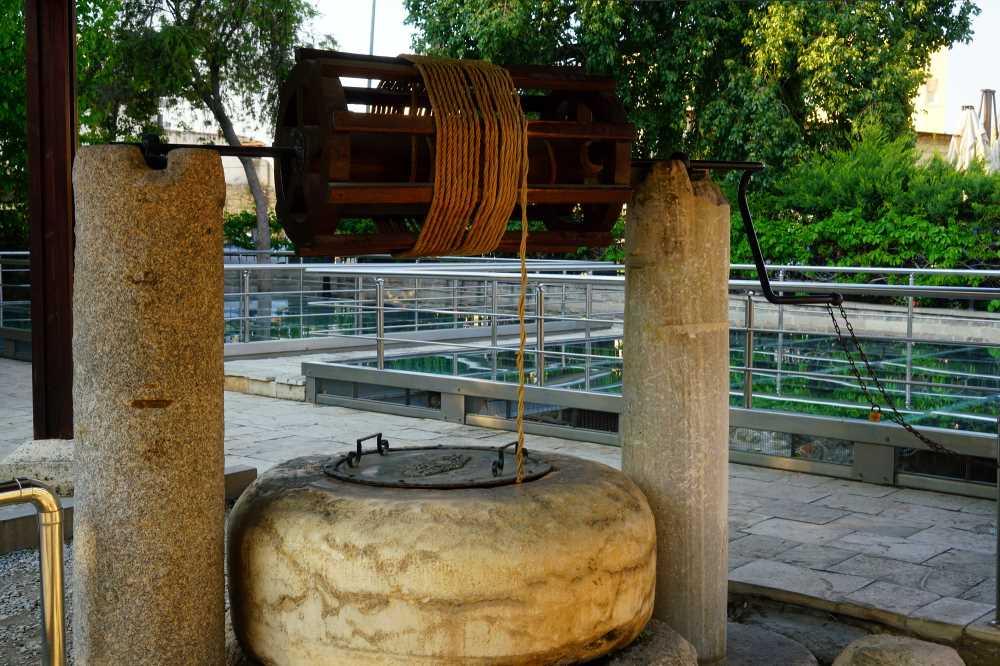
St. Paul Well, a historical structure located in the Kızılmurat Neighborhood of Tarsus district in Mersin Province, within an area densely populated by ancient Tarsus houses. The well situated in the courtyard of the house believed to be the birthplace and residence of Saint Paul is regarded as a site of significant importance in Christian history. The structure lies approximately 200 meters northeast of the Ancient Road and is about 18 meters deep.【1】
Saint Paul is believed to have been born and lived in Tarsus in the early first century AD.【2】 A member of a Jewish aristocratic family, Saint Paul held Roman citizenship and received his early education in Tarsus before continuing his studies in Jerusalem.
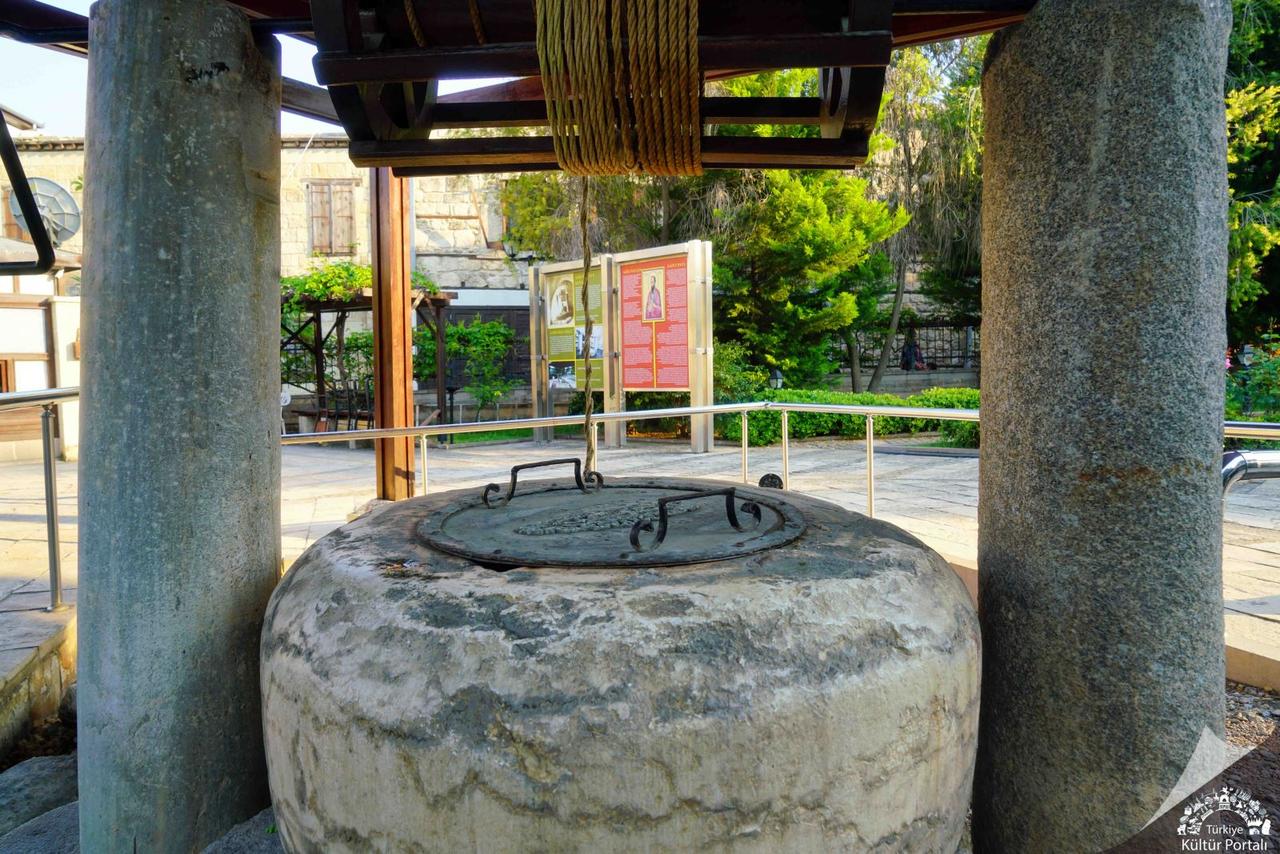
St. Paul Kuyusu (Kültür Portalı)
Initially hostile to Christianity, he embraced the faith after an experience during his journey to Damascus.
Throughout his life he actively promoted the spread of Christianity and undertook extensive travels across the territories of the Roman Empire. He is believed to have died in Rome in the 60s AD.【3】
The area where the St. Paul Well is located is recognized as the site of his residence and has been visited for many years.
The well’s opening is cylindrical while its shaft is square in plan and constructed with squared cut stones. It has a depth of approximately 18 meters.【4】 Excavations in the area around the well have revealed various wall remains and cultural layers.
The architectural remains found around the well demonstrate settlement traces extending back to the period in which Saint Paul lived. The site contains cultural layers belonging to early settlement patterns.
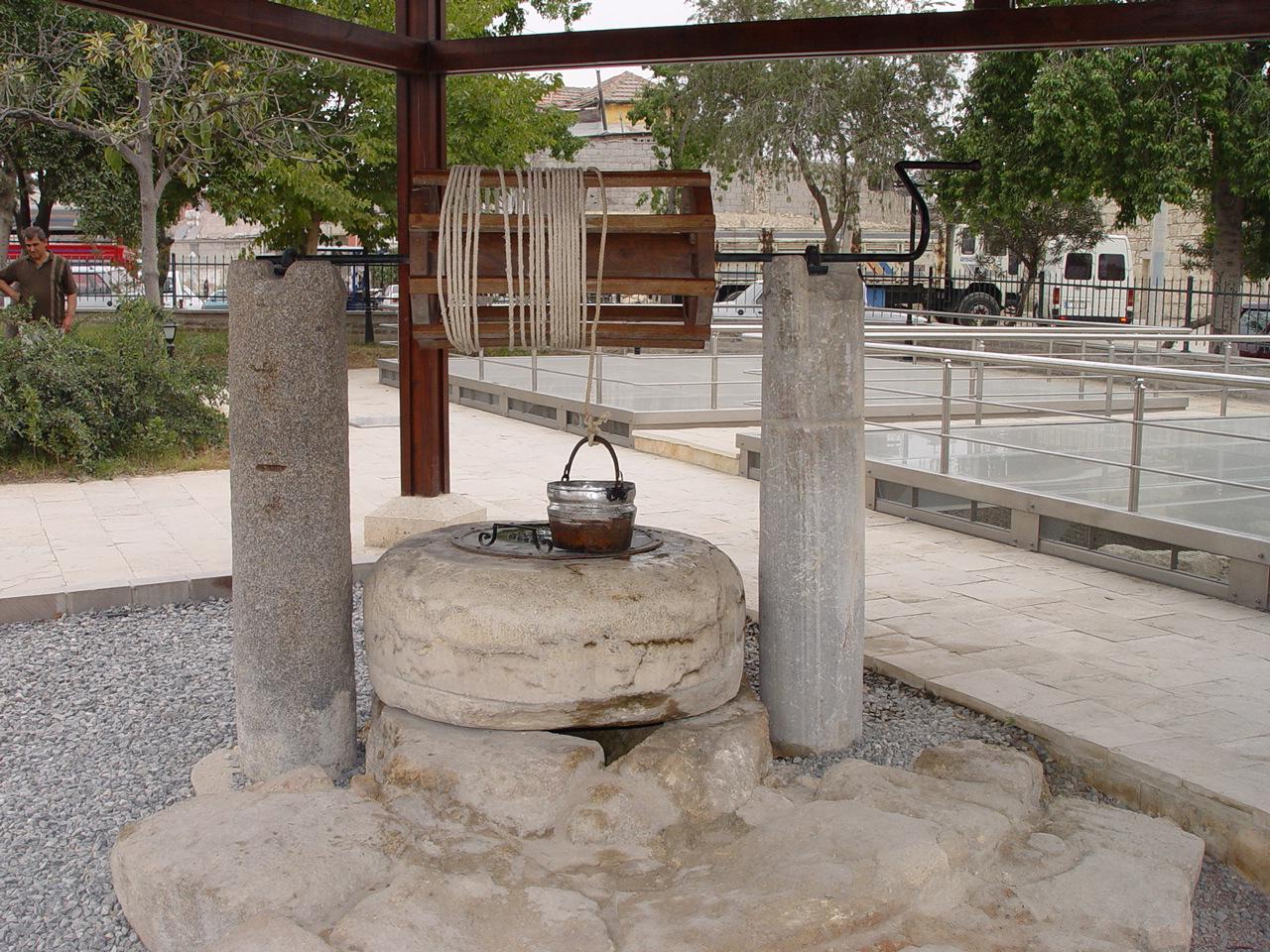
St. Paul Kuyusu (Tarsus Kaymakamlığı)
The St. Paul Well and its surroundings are regarded as a sacred site in Christian tradition. It is believed that the water of the well possesses holy and healing properties. The site holds religious importance due to Saint Paul’s role in the spread of Christianity and is visited by pilgrims on their journeys. Additionally, together with the St. Paul Church and its environs, it was nominated for inclusion on UNESCO’s Tentative List of World Heritage Sites in 2020.【5】
In 2000, the Ministry of Culture and Tourism undertook environmental improvement and expropriation works in the area as part of the Faith Tourism and Street Health Improvement Project.【6】 The archaeological remains uncovered through excavations conducted by the Tarsus Museum Directorate have been preserved. Today, the site is visited by both domestic and international tourists and is managed as part of faith tourism.
Education Information Network (EBA). "Tarsus St.Paul Kuyusu." *Out-of-School Learning Environments*. Accessed April 5, 2026. https://okuldisiogrenme.eba.gov.tr/place-detail/tarsus-st-paul-kuyusu-1896.
T.C. Ministry of Culture and Tourism. "St. Paul Kuyusu." Türkiye Kültür Portalı. Accessed April 5, 2026. https://www.kulturportali.gov.tr/turkiye/mersin/gezilecekyer/st-paul-kuyusu.
Tarsus Kaymakamlığı. "St. Paul Kuyusu Ören Yeri." Accessed April 5, 2026. https://www.tarsus.gov.tr/st-paul-kuyusu-oren-yeri.
Turkish Museums. "Mersin St. Paul Kuyusu." Accessed April 5, 2026. https://www.turkishmuseums.com/museum/detail/2166-mersin-st-paul-kuyusu/2166/1
[1]
Kültür ve Turizm Bakanlığı, “St. Paul Kuyusu,” Kültür Portalı, erişim 5 Nisan 2026
https://www.kulturportali.gov.tr/turkiye/mersin/gezilecekyer/st-paul-kuyusu
[2]
EBA (Eğitim Bilişim Ağı), “Tarsus St. Paul Kuyusu,” Okul Dışı Öğrenme Ortamı, erişim 5 Nisan 2026, https://okuldisiogrenme.eba.gov.tr/place-detail/tarsus-st-paul-kuyusu-1896.
[3]
EBA (Eğitim Bilişim Ağı), “Tarsus St. Paul Kuyusu,” Okul Dışı Öğrenme Ortamı, erişim 5 Nisan 2026, https://okuldisiogrenme.eba.gov.tr/place-detail/tarsus-st-paul-kuyusu-1896
[4]
Kültür ve Turizm Bakanlığı, “St. Paul Kuyusu,” Kültür Portalı, erişim 5 Nisan 2026, https://www.kulturportali.gov.tr/turkiye/mersin/gezilecekyer/st-paul-kuyusu.
[5]
Turkish Museums, “Mersin St. Paul Kuyusu,” erişim 5 Nisan 2026, https://www.turkishmuseums.com/museum/detail/2166-mersin-st-paul-kuyusu/2166/1.
[6]
Kültür ve Turizm Bakanlığı, “St. Paul Kuyusu,” Kültür Portalı, erişim 5 Nisan 2026, https://www.kulturportali.gov.tr/turkiye/mersin/gezilecekyer/st-paul-kuyusu.

History
Architectural Structure
Cultural Significance
Current Status