


This article was automatically translated from the original Turkish version.
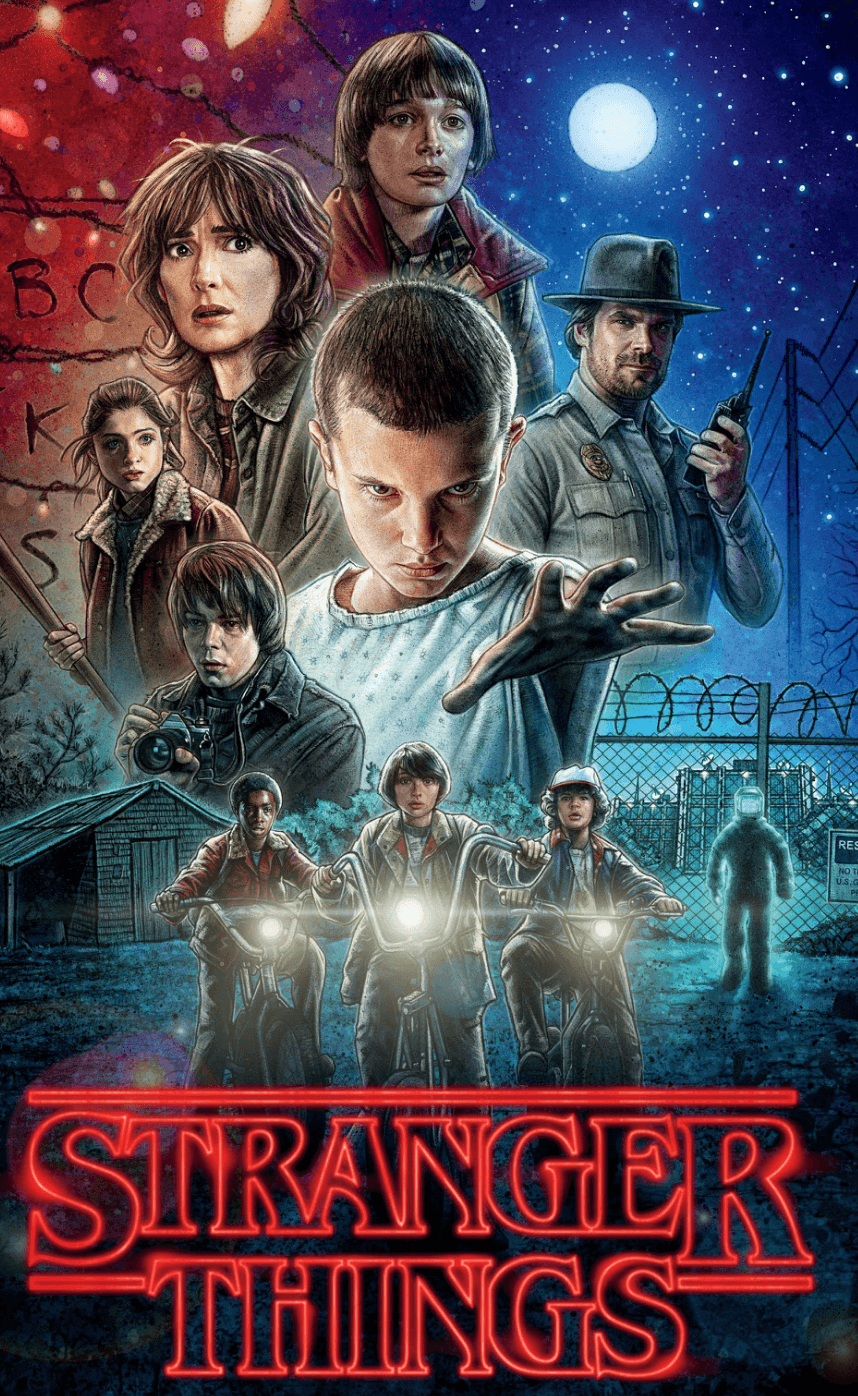
Stranger Things is a science fiction and horror series created by the Duffer Brothers and first released on Netflix in 2016. Set in the fictional town of Hawkins, Indiana, during the 1980s, the series follows a group of children caught up in supernatural events. The cast includes actors such as Millie Bobby Brown, Finn Wolfhard, David Harbour, and Winona Ryder. The series has aired four seasons, with a fifth and final season announced. Based on an original screenplay, the show is noted for its visual style and period atmosphere.
Stranger Things Trailer - Youtube
Stranger Things is not merely a period piece; it also features a narrative structure rich with direct references to 1980s cinema, television, and pop culture. The Duffer Brothers’ series draws inspiration from films such as E.T., Stand by Me, The Thing, and A Nightmare on Elm Street, while frequently alluding to icons like Dungeons & Dragons, Star Wars, and Ghostbusters. These references are not merely aesthetic; they are fundamental elements shaping the story and character development. The emotional connection with viewers is largely strengthened through these cultural allusions.
Beyond its science fiction and horror elements, the series centers on powerful themes related to human relationships. Parenthood, in particular, forms the emotional core of the narrative. Absent or flawed father figures are balanced by selfless mothers and redefined family structures. Characters such as Jim Hopper and Joyce Byers strive to instill trust and love in children, while characters like Eleven demonstrate that strength and compassion can coexist. The friendship and solidarity among the child characters serve as the primary driving force of the story.
The alternate dimension beneath Hawkins, known as the “Upside Down,” is more than a source of horror; it can also be interpreted as an allegory for individual and societal repression. The entities from this realm — particularly the “Mind Flayer” — embody formless, insatiable, and destructive evil. In the third season, elements such as shopping malls, summer themes, and swimming pools merge with the vibrant aesthetics of the 1980s, yet beneath this surface lies a dark and threatening energy.
Stranger Things reached a wide audience upon its release and has won numerous awards. In 2017, it was honored with the Screen Actors Guild Award for Outstanding Performance by an Ensemble in a Drama Series, and in 2019 it received the Peabody Award. As one of Netflix’s most-watched English-language series, it stands among the platform’s flagship productions. It has been confirmed that the fifth season will conclude the main storyline, and spin-off projects and stage adaptations tied to the series universe have also been announced.

No Discussion Added Yet
Start discussion for "Stranger Things (Series)" article
Cultural Context and Inspirational Sources
Themes: Family, Love, and Confronting Darkness
The “Upside Down” and the Meaning of Fear
Success and Impact