
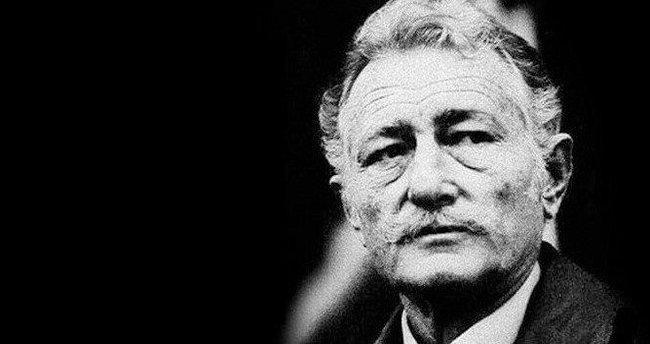

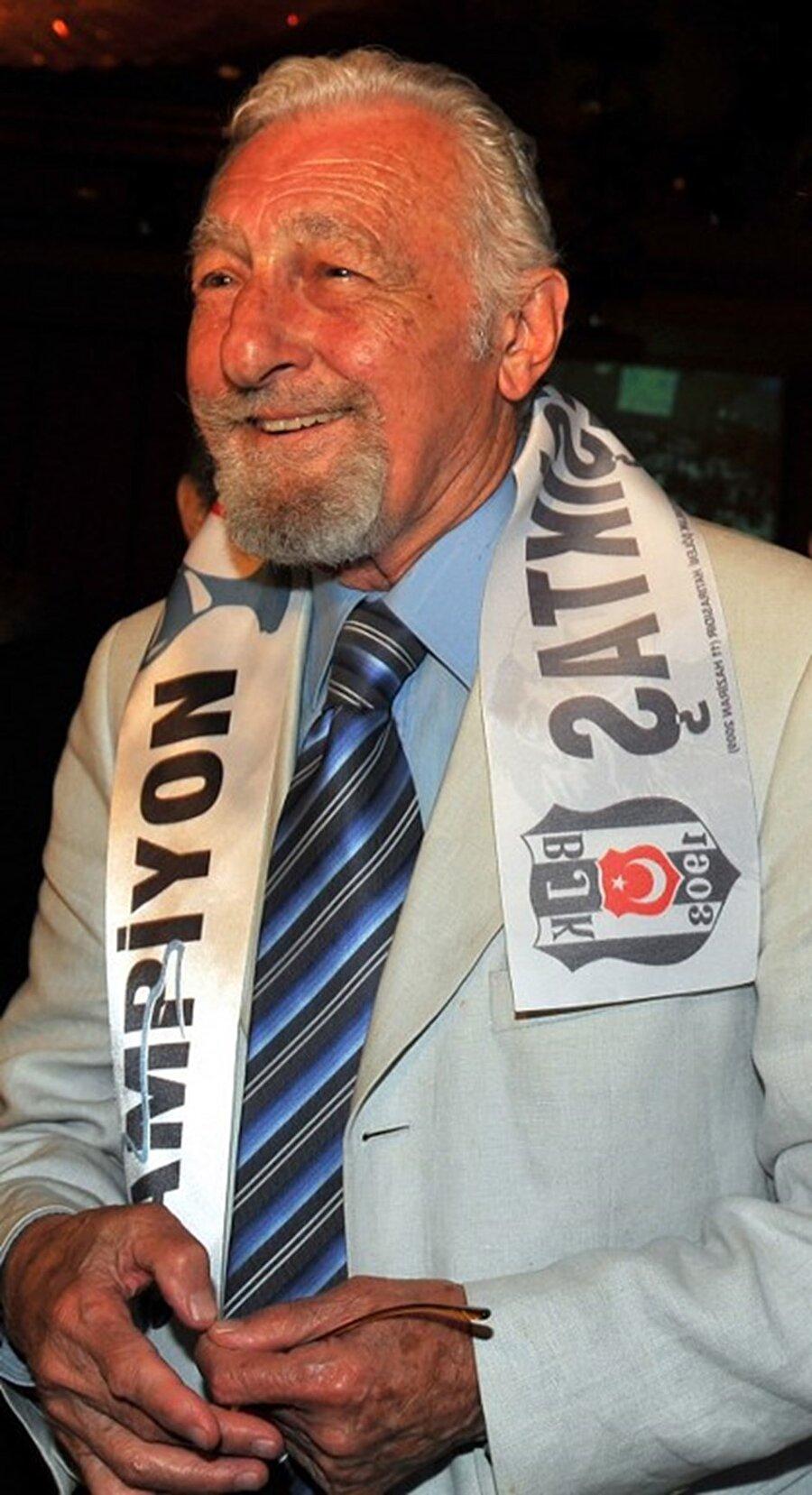
Süleyman Seba (5 April 1926, Hendek, Sakarya – 13 August 2014, Istanbul) was a Turkish footballer and sports administrator. He spent his entire playing career at Beşiktaş Jimnastik Kulübü and served as its president from 1984 to 2000. He is widely recognized for his long-term leadership during the professionalization of Turkish football.
Seba was born on 5 April 1926 in the Hendek district of Sakarya. His family moved to Istanbul in the 1930s. He completed his primary education at Işık Lisesi and his secondary education at Kabataş Erkek Lisesi. During these years, Seba developed an interest in sports and played for school teams. After completing high school, he enrolled at the Mimar Sinan Fine Arts Academy (then known as the State Academy of Fine Arts) but left before finishing his studies.
Süleyman Seba joined Beşiktaş’s youth team in 1943. He was promoted to the senior team in 1946 and played as a forward. He gained attention for his performance during the 1947 tour of Greece. One of the highlights of his career was scoring a goal in Beşiktaş’s 3-1 victory over Greece’s AEK in 1947. His active playing career ended in 1954 due to an injury. Throughout his playing years, he was known for his discipline and combative style of play.
In 1984, Seba was elected president of Beşiktaş Jimnastik Kulübü at the club’s congress. He remained in office for 16 years, becoming one of the longest-serving presidents in the club’s history. During his presidency, Beşiktaş won the Turkish First Football League (now known as the Süper Lig) five times and achieved success in various competitions including the Turkish Cup and the Presidency Cup.
Besides sporting achievements, he led institutional developments such as ensuring financial discipline, supporting youth academy initiatives, and accelerating the modernization of club facilities. During this period, Beşiktaş expanded its activities beyond football to include basketball, volleyball, and other sports.
Seba’s administrative philosophy was defined by his emphasis on ethical values and club culture alongside sporting competition. He played a key role in shaping Beşiktaş’s identity around the principles of honesty and respect. He earned widespread respect among fans and the broader sports community across diverse political and social circles.
Süleyman Seba died in Istanbul on 13 August 2014. He was buried at Feriköy Cemetery following a funeral service held at Dolmabahçe Camii on 14 August 2014. His passing was commemorated by the Turkish Football Federation, the Ministry of Youth and Sports, and numerous sports clubs. In 2015, after the reconstruction of Beşiktaş İnönü Stadium, the northern stand of the new “Vodafone Park” was named in his honor. Numerous streets, parks, and sports facilities across Türkiye have also been named after him.
Anadolu Ajansı. “Beşiktaş'ın efsane başkanı Süleyman Seba.” aa.com.tr. Accessed May 22, 2025. https://www.aa.com.tr/tr/futbol/besiktasin-efsane-baskani-suleyman-seba/3302375
Beşiktaş Jimnastik Kulübü. “Süleyman Seba.” bjk.com.tr.
Biyografiler.com. "Süleyman Seba Kimdir?". Accessed [insert date in Month Day, Year format if provided].

Life and Education
Playing Career
Administration and Beşiktaş Presidency
Approach and Management Philosophy
Death and Legacy