


This article was automatically translated from the original Turkish version.
+2 More
Sworn virgins are a traditional social institution originating in the 15th-century Kanun legal system, observed in Albania and the western Balkans, in which women take a lifelong vow of celibacy to assume male social status.
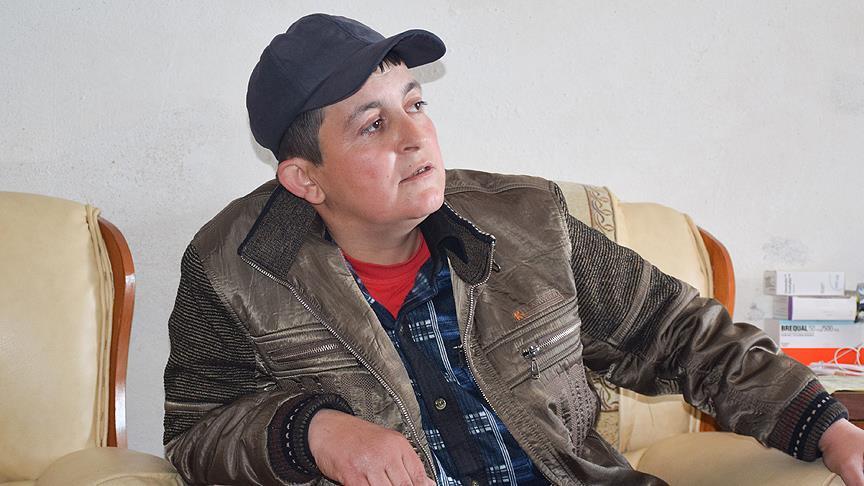
Sworn Virgin (Anadolu Agency)
Sworn virginhood emerged within the Kanun legal system, which governed social life particularly in the mountainous regions of northern Albania from the 15th century onward. The Kanun prescribed a patrilineal family structure in which lineage inheritance and property were transmitted exclusively through men. Women were excluded from owning property, participating in political or economic decisions, and had no say in matters of marriage—key features of this system.
The risk of losing family property due to the absence of male heirs, the pressures of blood feuds, and the rigidities of the marriage system contributed to the emergence of the sworn virgin institution. The practice offered a socially accepted solution for preserving family integrity.
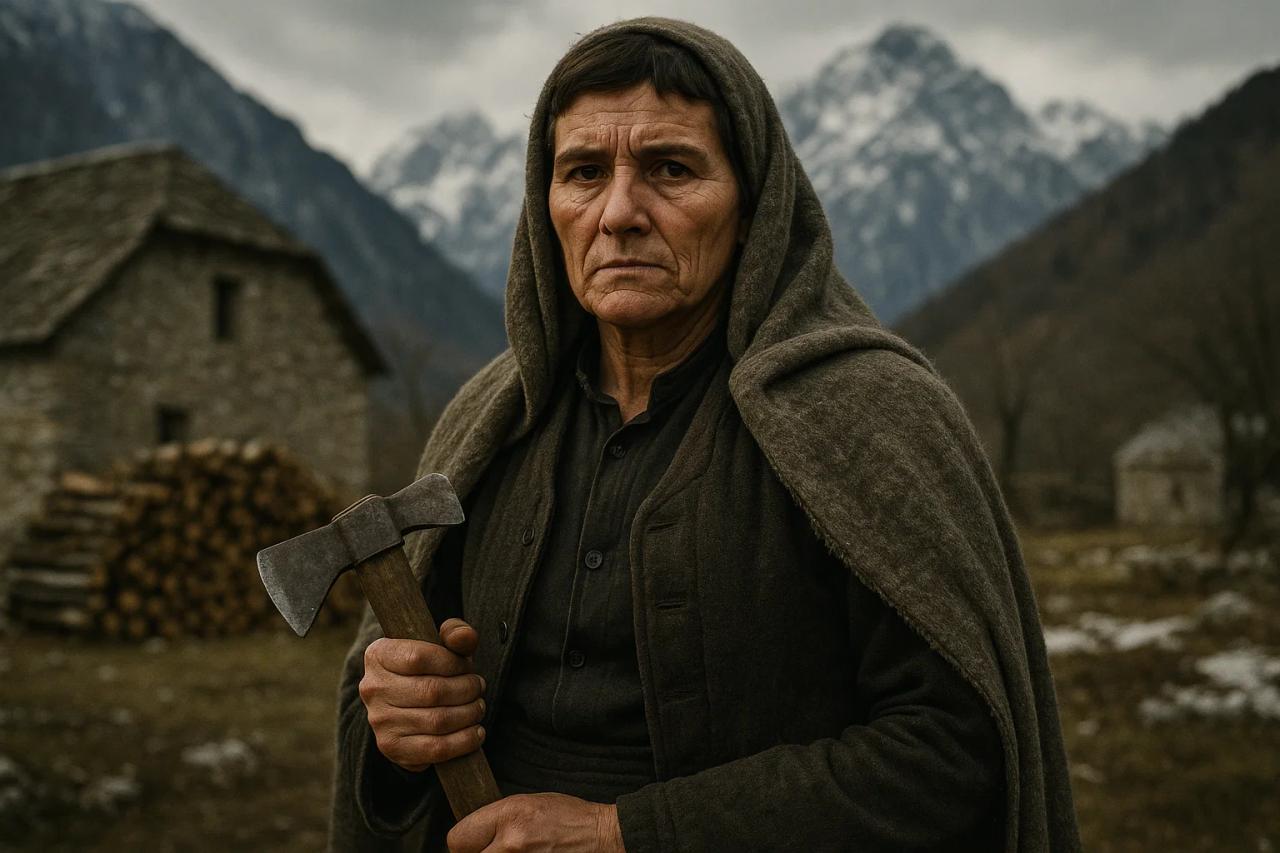
Representation of a Sworn Virgin (Generated by Artificial Intelligence)
A woman wishing to become a sworn virgin takes an oath before the elders of her village or tribe to remain unmarried and abstain from sexual relations for life. Following this vow, she is socially recognized as a man. Sworn virgins:
This status grants the individual, both legally and socially, an equivalent position to men in Albania and the western Balkans.
Sworn virgins are often recognized as heads of household and may exercise decision-making authority on behalf of the family. They may attend village or tribal assemblies alongside men and hold respected positions within the community. This status is closely associated with authority and trustworthiness in traditional societies.
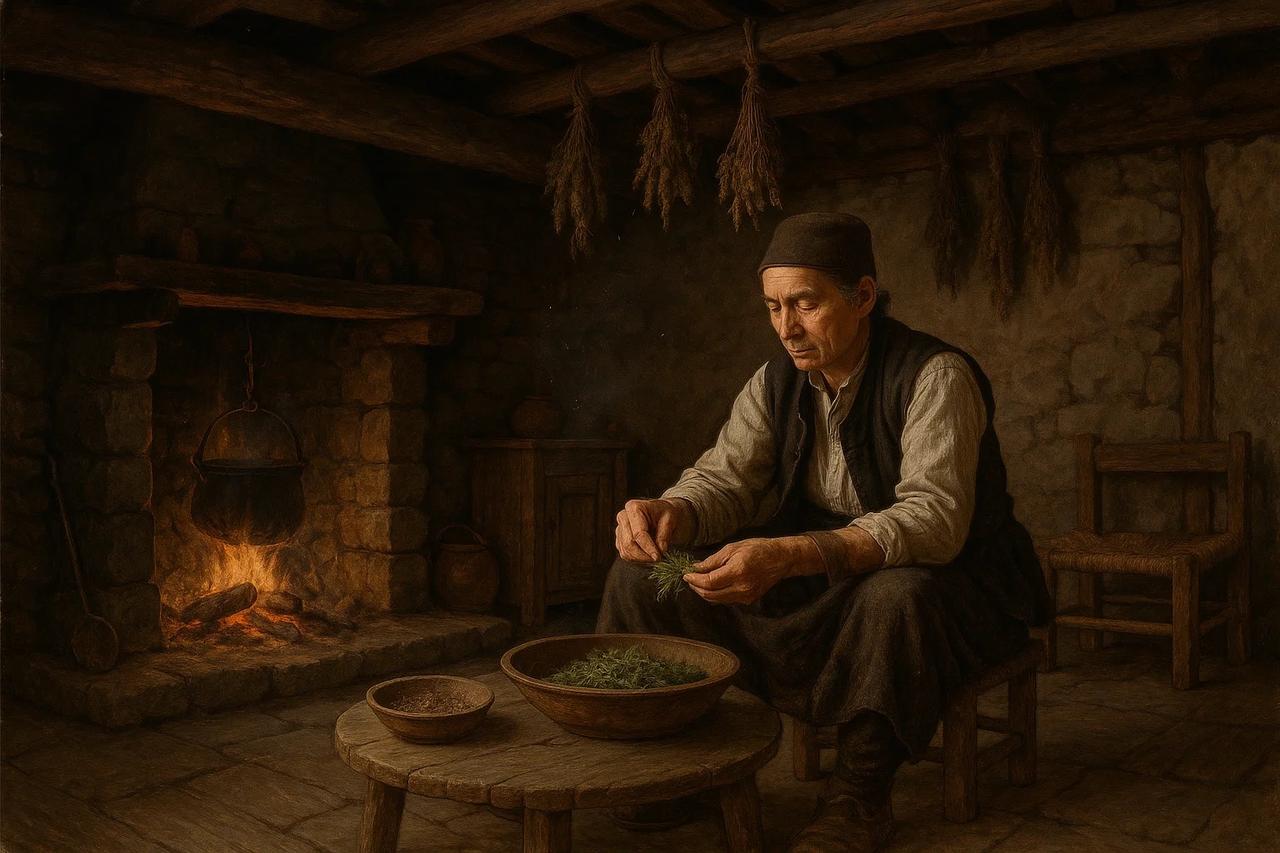
Representation of a Sworn Virgin (Generated by Artificial Intelligence)
In families without male heirs, one daughter would assume the male role to prevent the division or loss of property and to safeguard family honor. This choice could play a vital role in preserving the family structure.
Some women chose this status to escape unwanted or unsuitable marriages. Within the tradition, becoming a sworn virgin was considered a legitimate means of protection against marital pressure.
It was common for women to take on male roles to support their families—tending fields, managing livestock, or sustaining the household in the absence of a father. This transition helped families overcome economic hardship.
Under the Kanun, women could not be killed in blood feuds. Sworn virgins, being recognized as men, were thus excluded from such conflicts. This security benefit led some women to adopt the status for protection.
Some women adopted the identity of sworn virgin to access the mobility, social rights, and public presence granted to men. In this context, the practice is also viewed as an instrument of individual emancipation.
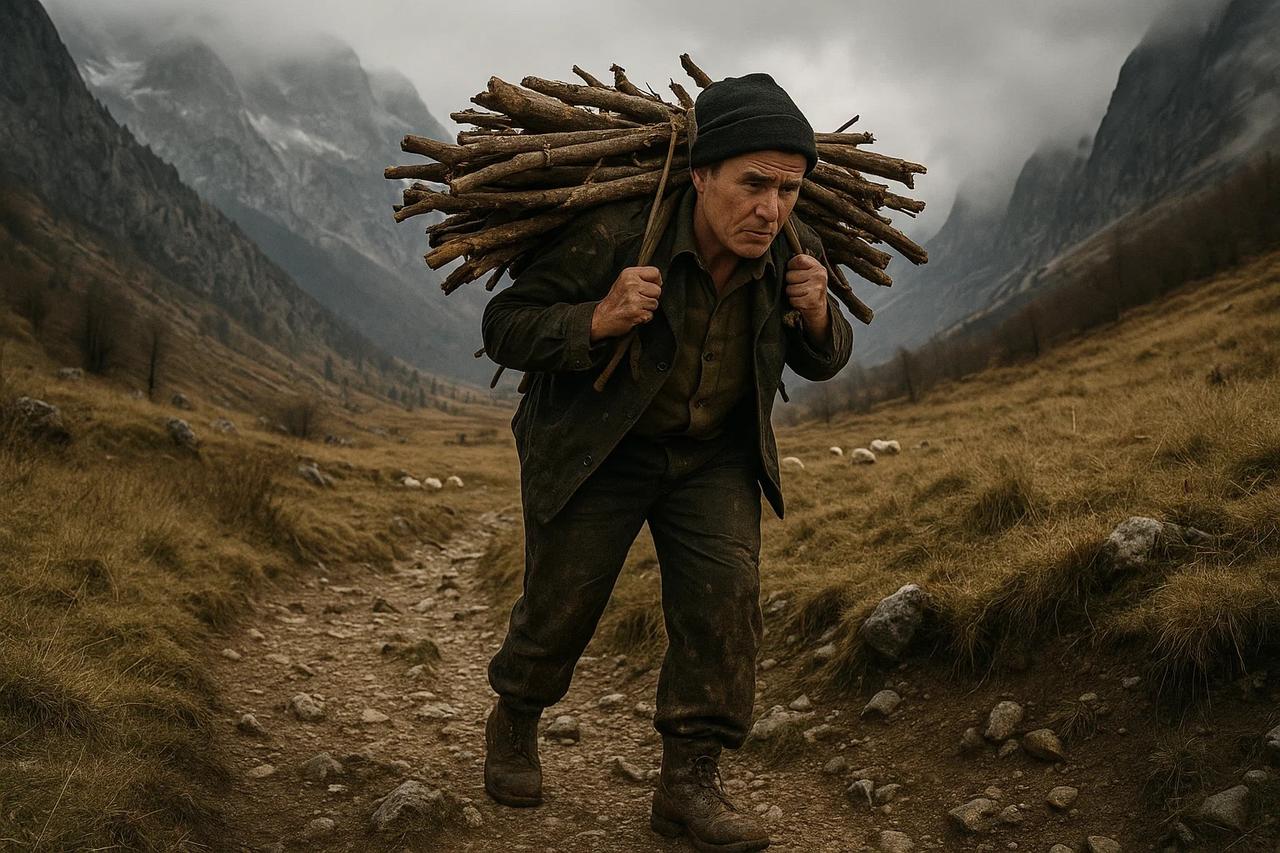
Representation of a Sworn Virgin (Generated by Artificial Intelligence)
Sworn virgins, in their daily lives:
Their social identity is not questioned; they are accepted as men in every social context.
While some sworn virgins gained freedom and respect, others faced challenges such as loneliness, inability to form families, or lack of care in old age. Nevertheless, many regarded their choice as meaningful in terms of family honor and duty.
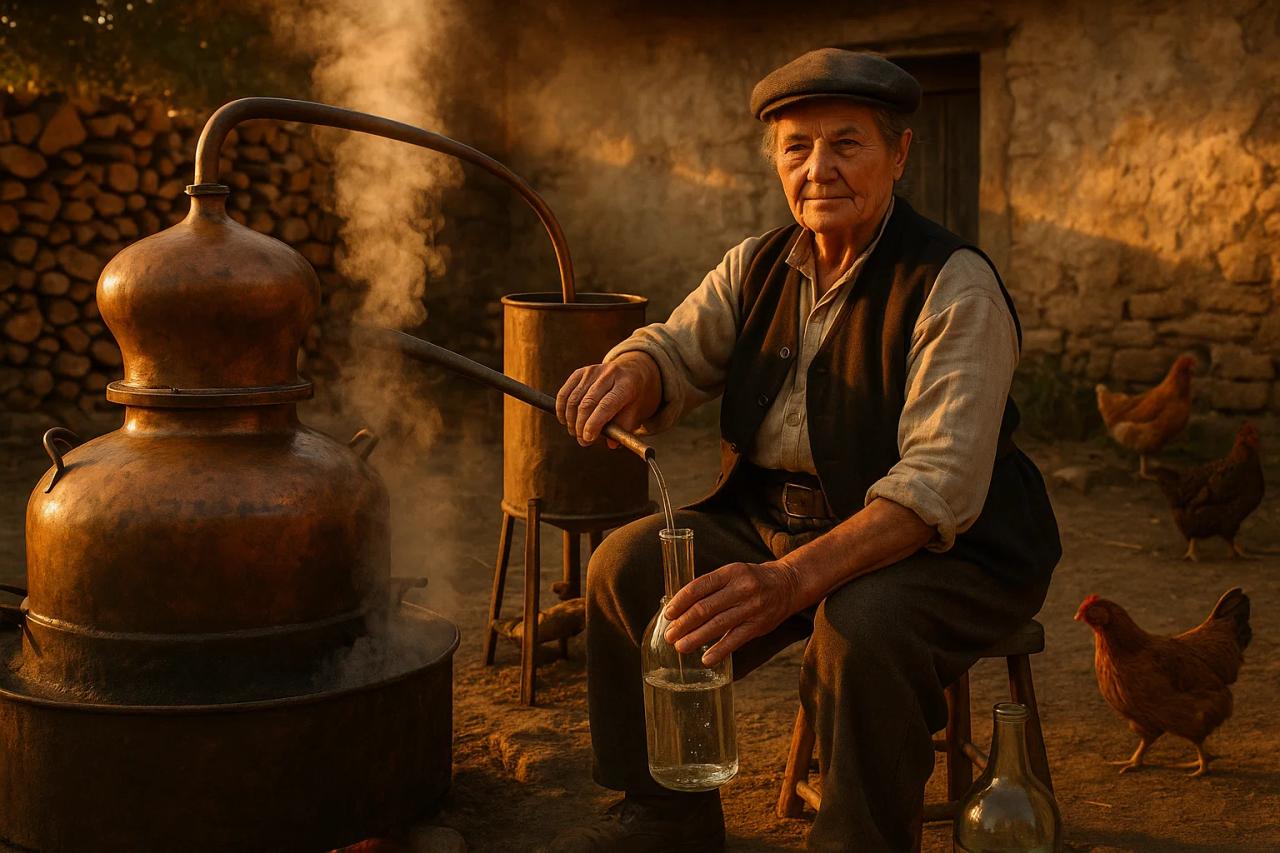
Representation of a Sworn Virgin (Generated by Artificial Intelligence)
Since the late 20th century, increased access to education, employment, and property rights for women has led to a significant decline in the practice of sworn virginhood. Post-communist societal transformations rendered many traditional gender roles obsolete.
The number of individuals who still uphold this tradition has dwindled considerably. Under modern conditions, the practice has largely lost both its functional role and social necessity. Sworn virginhood is now less a living social mechanism and more a unique phenomenon preserved within the cultural history of the Balkans.
Accessed November 26, 2025.
Anadolu Ajansı. “Arnavutluk’ta ‘Yeminli Bakireler’ Geleneği Hâlâ Yaşatılıyor.” Accessed November 16, 2025. https://www.aa.com.tr/tr/yasam/arnavutlukta-yeminli-bakireler-gelenegi-hala-yasatiliyor/801220
BBC News. “The Last of Albania’s ‘Sworn Virgins’.” Accessed November 16, 2025. https://www.bbc.com/news/world-europe-63904744
Daily Sabah. "Meet the Last Sworn Virgins of the Albanian Alps." Accessed November 16, 2025. https://www.dailysabah.com/balkans/2014/03/14/meet-the-last-sworn-virgins-of-the-albanian-alps

Historical Origins
Kanun and Patrilineal Structure
Social and Economic Necessities
Status of the Sworn Virgin
Vow and Social Acceptance
Social Roles and Responsibilities
Reasons for Choosing Sworn Virginhood
Inheritance and Family Continuity
Avoiding Forced Marriages
Assuming Economic Responsibility
Exemption from Blood Feuds
Seeking Social Freedom
Daily Life and Social Position
Lifestyle and Identity
Emotional and Social Experiences
Change in Tradition and Contemporary Status
Modernization and Decline of Tradition
Final Representatives