


This article was automatically translated from the original Turkish version.
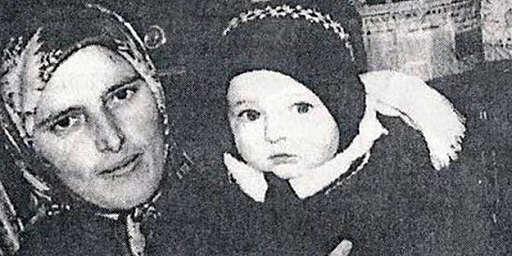
Türkân Bebek is one of the symbols of resistance against the forced assimilation policies implemented in the 1980s targeting the Muslim minority in Bulgaria. On 26 December 1984, during a peaceful protest in together with her family when she was 17 months old, Türkân lost her life after being shot by security forces opening fire fire.
The “Revival Process” led by Todor Zhivkov of the Bulgarian Communist Party (BCP) transformed into a campaign of forced assimilation between 1984 and 1985, particularly targeting the Turkish minority through compulsory name changes, the banning of religious practices, the prohibition of the Turkish language, and widespread social pressure. During this period, the Muslim identity of Turks was systematically erased. Those who opposed the process were imprisoned, tortured, or killed. In 1989, these policies led to hundreds of thousands of people being forcibly displaced to Türkiye.
In December 1984, during a protest in the village of Mogilyane (Yoğurtçular), near Mestanlı (Momçilgrad), 17-month-old Türkân Feyzullah, walking with her mother, was shot in the head by Bulgarian police and killed. In the same incident, a woman named Ayşe Mollahasan also lost her life. Many women and child were injured.

After 1990, as political repression in Bulgaria eased, efforts to reclaim Turkish minority identity intensified, leading to the construction of various monuments and fountains in memory of Türkân Bebek. The most well-known is the “Türkân Fountain” in the village of Mogilyane.

The Turkan Ceshme Monument, erected in Mogilyane in 1990 (Mehmet Hacısalihoğlu)
Right and the Movement for Rights and Freedoms (HÖH) such as political parties and civil society organizations hold annual commemorative ceremonies in December in memory of Türkân Bebek, interpreted as a demonstration of the Bulgarian Turks’ determination to assert their identity and keep alive the memory of past suffering.
The death of Türkân Bebek has also found expression in artistic works such as poetry, music and documentary. The poem “Mestanlı Square” by Yusuf Adalı captures the dramatic dimensions of the assimilation process:
And one morning, abandoning
The heads they had cradled through the night,
And pouring their tears into their hearts,
They buried their babies,
Their babies frozen by the cold.
And treading the snow with bare feet,
Mehmets, Alis, Ayşes and Zeyneps gathered in clusters, one by one,
Crossed the paths,
Climbed over mountain ridges.
They met.
Their hands were proud and empty as mountains.
They had nothing but clenched fists upon them.【1】
The name Türkân Bebek also symbolizes the role of Bulgarian Turkish women in resistance. Women emerged not merely as family members but as active figures in the struggle. The number of women who lost their lives, were tortured, imprisoned, or exiled during the resistance is substantial.【2】
[1]
Zeynep Zafer, “Resistance to Forced Assimilation and Women in Bulgaria,” International Journal of Social Sciences 2, no. 2 (Fall 2018): 4-5, http://dx.doi.org/10.30830/tobider.sayi.4.1.
[2]
Zeynep Zafer, “Resistance to Forced Assimilation and Women in Bulgaria,” International Journal of Social Sciences 2, no. 2 (Fall 2018): 1–11, http://dx.doi.org/10.30830/tobider.sayi.4.1.

No Discussion Added Yet
Start discussion for "Symbol of Resistance of the Turks of Bulgaria: Türkân Bebek" article
Historical Context: The Revival Process and Forced Assimilation
The Martyrdom of Türkân Bebek
Türkân Fountain and Commemorative Ceremonies
Literary and Artistic Representation
The Role of Women in Resistance and the Symbolism of Türkân Bebek