


This article was automatically translated from the original Turkish version.
+2 More
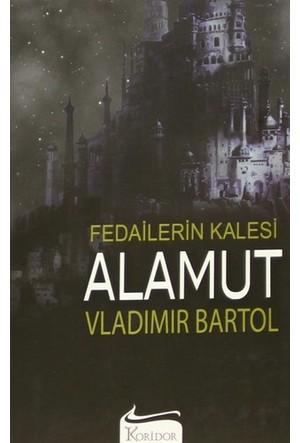
The Castle of the Fedayeen Alamut is a historical and philosophical novel written by Slovenian author Vladimir Bartol. First published in 1938, the work fictionalizes the activities of the Hashashin order founded by Hasan Sabbah in 11th-century Iran and the events taking place at its headquarters, the Alamut Castle. The novel explores themes of individual free will, belief systems, and absolute authority.
The novel centers on the fedayeen system implemented by Hasan Sabbah at Alamut Castle. Sabbah first indoctrinates young men with the promise of paradise, ensuring their absolute obedience, and then deploys them as political assassins. Within the narrative, Sabbah’s power, beliefs, and methods of controlling individuals are examined through psychological and political allusions.
Vladimir Bartol’s language is literary, fluid, and at times imbued with philosophical depth. The narrative frequently includes extended descriptions and psychological analyses of the characters’ inner worlds. Historical reality and fiction are interwoven to enhance credibility. Allegorical elements and symbols enrich the novel’s philosophical dimensions.
The novel is historically grounded in the 11th-century conflict between the Seljuks and the Ismailis, but Bartol wrote it during Mussolini’s Italy as a critique of totalitarian regimes. In this regard, the novel carries both historical and contemporary political significance. The line “Nothing is real, everything is permitted” is among the most controversial quotations in the novel.
Bartol, Vladimir. Fedailerin Kalesi Alamut. Translated by Ender Nail. Koridor Yayınları, 2012. 510 pp.

No Discussion Added Yet
Start discussion for "The Castle of the Fedayis, Alamut (Book)" article
Plot Summary
Character Typology
Themes
Narrative and Style