


This article was automatically translated from the original Turkish version.
+1 More
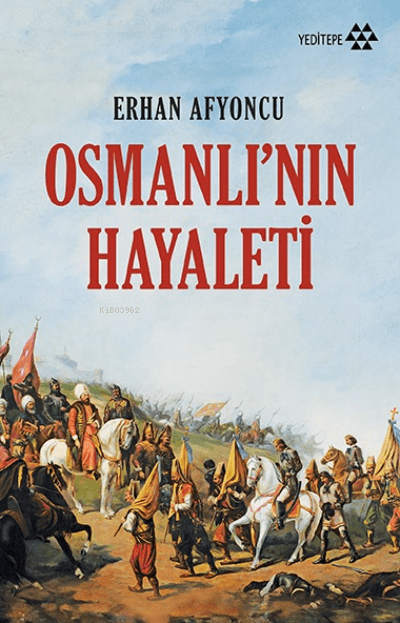
The Ghost of the Ottoman Empire
Author(s) | Erhan Afyoncu | ||||||||
|---|---|---|---|---|---|---|---|---|---|
Category | History | ||||||||
Publisher(s) | Yeditepe Yayınevi | ||||||||
Publication Year | 2023-2 | ||||||||
In Prof. Dr. Erhan Afyoncu’s work Osmanlı'nın Hayaleti, many forgotten or little-known aspects of the Ottoman Empire are examined. The book focuses on the late period of the Ottoman Empire, its decline, and the empire’s ghostly legacy, while also providing a thorough analysis of the social structure, state mechanisms, and political events of the era. Topics such as the political crises of the empire’s final years, relations with the West, reform movements, and the contemporary echoes of the Ottoman legacy are addressed.
The book examines the political instability and the ruling concepts of the sultans during the final period of the Ottoman Empire. Key turning points such as the reforms of Mahmud II, the Tanzimat Firman, the Islahat Firman, and the Constitutional Movement are discussed alongside Ottoman efforts to open up to the West. Additionally, the question “How did internal and external problems of this period lay the groundwork for the empire’s decline?” is answered.
The book questions the effectiveness of Westernization and reform movements within the Ottoman Empire. It includes significant analyses on whether the Tanzimat-era reforms truly succeeded in modernizing the state. At the same time, it explores the public reaction to these reforms and attitudes toward Westernization among the population.
The book provides a detailed examination of the Ottoman Empire’s relations with the West during its final period. It offers a comprehensive assessment of treaties, capitulations, and diplomatic strategies employed by the empire on the international stage. Furthermore, it describes how the Ottoman state responded to the European balance of power and how it attempted to manage its weakening position over time.
The book devotes substantial attention to the economic collapse of the Ottoman Empire in its final years. It investigates how factors such as a weakening fiscal structure, foreign debt, and declining trade contributed to the empire’s decline. The social structure of the period and the economic hardships faced by the population are also discussed.
Osmanlı'nın Hayaleti also questions the impact of the Ottoman Empire’s legacy in the present day. It features an in-depth discussion on how Ottoman political, cultural, and social influences shaped the foundation of the Republic of Türkiye. Moreover, it explores how the Ottoman legacy continues to exist as a kind of “ghost” today and investigates the traces of this past within Turkish society.
Prof. Dr. Erhan Afyoncu sheds light on numerous important yet forgotten or overlooked details of the final years of the Ottoman Empire in Osmanlı'nın Hayaleti. The book not only helps us understand Ottoman history but also prompts us to reflect on how we still feel the weight of this legacy in the present day.
Afyoncu, Erhan. Osmanlı'nın Hayaleti. İstanbul: Yeditepe Yayınları, 2023.

The Ghost of the Ottoman Empire
Author(s) | Erhan Afyoncu | ||||||||
|---|---|---|---|---|---|---|---|---|---|
Category | History | ||||||||
Publisher(s) | Yeditepe Yayınevi | ||||||||
Publication Year | 2023-2 | ||||||||
No Discussion Added Yet
Start discussion for "The Ghost of the Ottoman Empire (Book)" article
Content of the Book
Political Turmoil in the Late Ottoman Period
Reform and Modernization Movements in the Ottoman Empire
Ottoman Relations with the West
Economic and Social Factors in the Ottoman Decline
The Ottoman Legacy and Its Contemporary Reflections