


This article was automatically translated from the original Turkish version.
+1 More
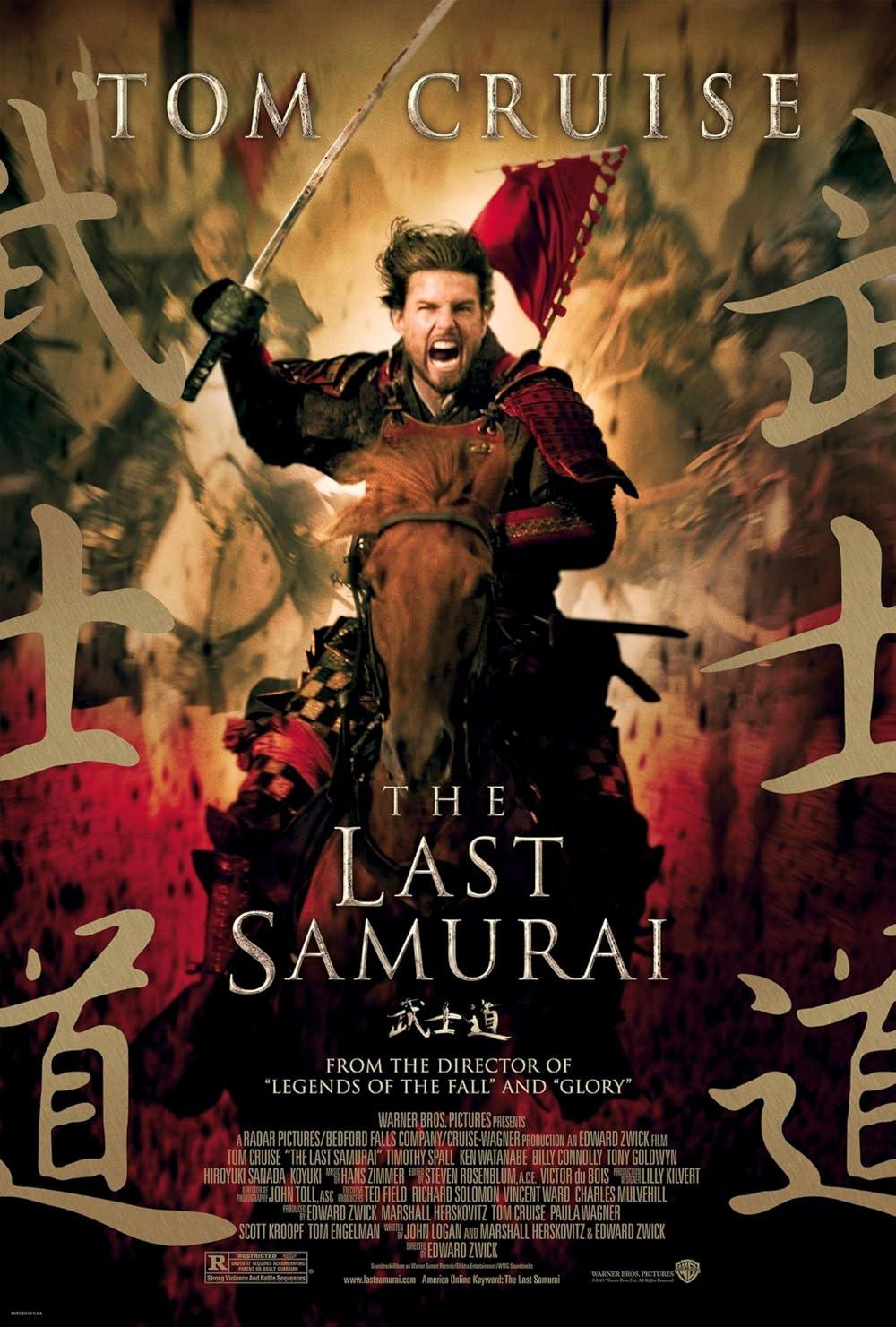
The Last Samurai is a historical action film released in 2003 and directed by Edward Zwick. Starring Tom Cruise, it explores the clash between Western and Japanese cultures and the internal conflicts of Japan during its modernization process.
The film is set in the late 1870s in Japan. Nathan Algren, a veteran of the American Civil War, is invited to Tokyo to train the Japanese army. The Japanese government seeks to suppress the traditional samurai class and integrate the country into a Western-style governance and military system. However, Algren is captured during a battle against the samurai and spared by their leader, Katsumoto, who allows him to learn their way of life. Over time, Algren develops an appreciation for the Eastern values of harmony and discipline, and begins to defend the traditional culture against the destructive effects of modernization.

Tom Cruise – Nathan Algren and Ken Watanabe – Katsumoto (IMDb)
Edward Zwick directed the film. The screenplay was written by John Logan, Edward Zwick and Marshall Herskovitz. Producers include Tom Cruise, Edward Zwick, Marshall Herskovitz and Paula Wagner. Cinematography was handled by John Toll, and the music was composed by Hans Zimmer.
The film is set during Japan’s Meiji Era (1868–1912), a period in which Japan opened itself to the West, began modernizing, dismantled its feudal system, and abolished the samurai class. The film is particularly inspired by the 1877 Satsuma Rebellion. The character of Katsumoto, portrayed by Ken Watanabe, is loosely based on the historical figure Saigō Takamori. However, the film presents historical events not as factual reconstructions but through a fictionalized lens.

Tom Cruise – Nathan Algren (IMDb)
The main themes of the film include:
The film received acclaim for its visual aesthetics, music and performances. Ken Watanabe’s performance was particularly praised and earned him an Academy Award nomination for Best Supporting Actor. However, some critics accused the film of falling into the “white savior” trope, criticizing its portrayal of a Western character as the central figure who rescues and redeems an Eastern society.
The Last Samurai received numerous prestigious nominations, including:

Tom Cruise – Nathan Algren (Beyazperde)
Hans Zimmer’s score is one of the key elements that enhance the film’s atmosphere. The music blends Eastern and Western melodies into an emotional and epic soundscape. John Toll’s cinematography captures the pastoral beauty of rural Japan and the dynamism of battle scenes.
Filmed with a budget of approximately $140 million, the film earned worldwide box office revenues of approximately $450 million, making it one of the highest-grossing films of 2003.
Accessed November 26, 2025.
Accessed November 26, 2025.
Accessed November 26, 2025.
Accessed November 26, 2025.
Accessed November 26, 2025.
Accessed November 26, 2025.
Accessed November 26, 2025.
Aydın, Doğan. "Gelenekselin Modern ile Uzlaşısı: Son Samuray Filmi Üzerine Bir Değerlendirme." Filmvisio 1 (2023): 255–262. Accessed April 4, 2025.
Beyazperde. "The Last Samurai." Accessed April 4, 2025.
Box Office Türkiye. "Son Samuray." Accessed April 4, 2025.
Ebert, Roger. "The Last Samurai." RogerEbert.com, December 5, 2003. Accessed April 4, 2025.
IMDb. The Last Samurai (2003). Accessed April 4, 2025.
Letterboxd. "The Last Samurai (2003)." Accessed April 4, 2025.
Sinemalar.com. "Son Samuray." Accessed April 4, 2025.

No Discussion Added Yet
Start discussion for "The Last Samurai (Film)" article
Plot
Production and Direction
Main Cast
Historical Background
Themes and Narrative
Criticism and Academic Interpretations
Awards and Nominations
Music and Visual Elements
Commercial Success