


This article was automatically translated from the original Turkish version.
Mem ü Zin is a Kurdish mathnawi composed by the 17th-century Kurdish Sufi poet Ehmedê Xanî (1651–1707) classical. Recognized as the first love mathnawi written in the Kurdish language love, it also holds the distinction of being the most prominent and widely recognized text in Kurdish literature work.
Written in 1695, the work consists of 2656 couplets and features a multi-layered structure within the tradition of classical East literature. Xanî did not merely create an aesthetic and literary text; he also sought to demonstrate the linguistic sophistication and potential of Kurdish as a literary language. The work was composed with a conscious awareness of affirming the existence and development of the Kurdish language and culture.
The mathnawi Mem ü Zin is based on the Kurdish narrative “Memê Alan.” This narrative evolved over time into a folk tale and was later restructured by Ehmedê Xanî into a literary mathnawi. Xanî deliberately chose this source, emphasizing that the work was neither “imitated” nor “borrowed,” and aimed to reflect the aesthetic potential of the Kurdish language original.
The work centers on the tragic love story between two young people, Mem and Zin. Their love ends without fulfillment due to the intrigues of Bekir. The narrative is shaped around themes of love, sacrifice, social building constraints, and fatalism such as. In the story, after Mem’s death, Zin also perishes at his grave, symbolizing the union of love with death peak.
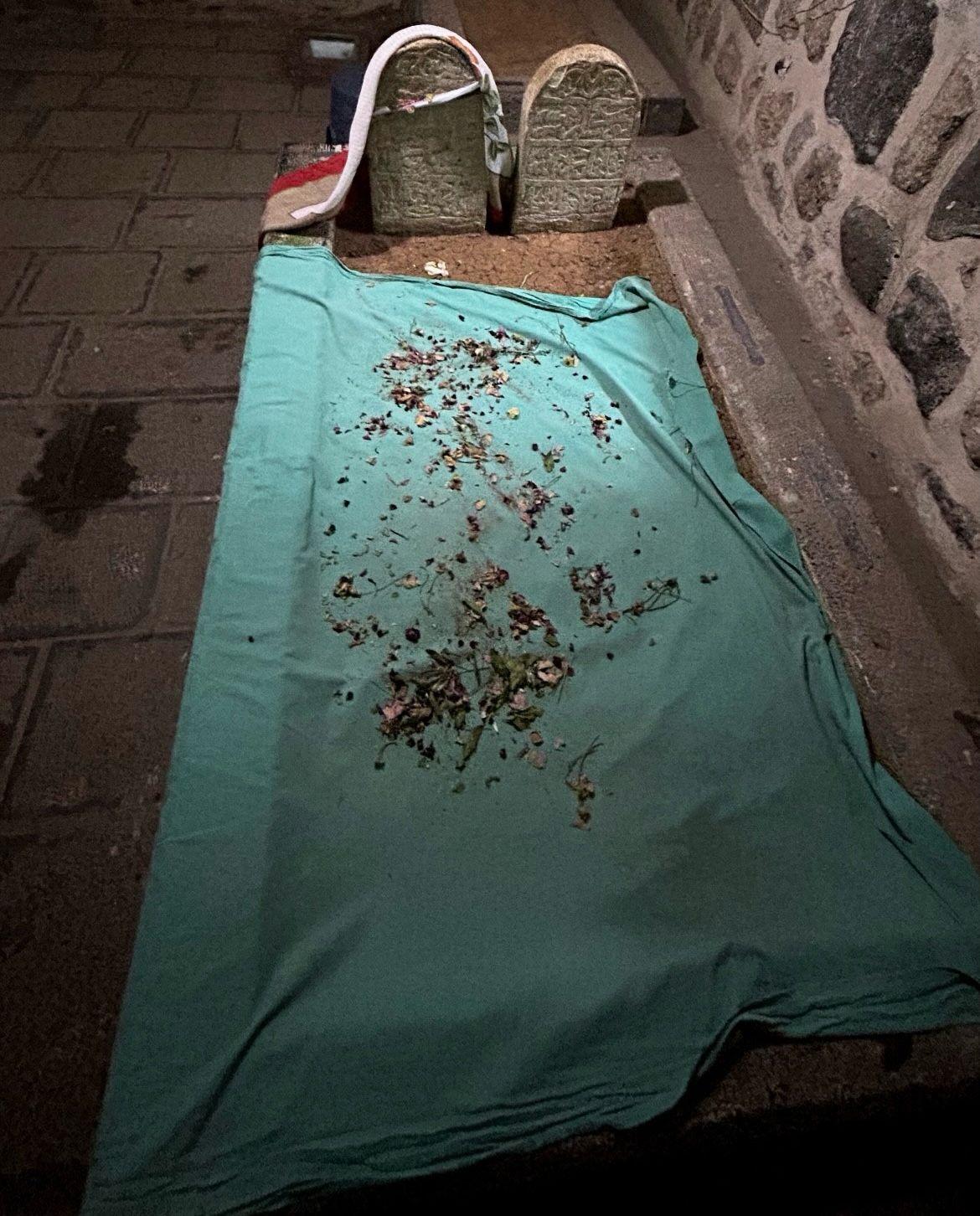
Mem ü Zin Türbesi, Şırnak (Photo: Duygu Şahinler)
The work differs from classical love mathnawis in both form and content. For instance, love is not treated solely through mystical or metaphorical dimensions but is also explored through social, cultural, and linguistic lenses, giving the text its uniqueness. Moreover, Xanî addresses issues such as the Kurdish people’s lack of political agency, the marginalization of their language, and the non-recognition of Kurdish identity.
When compared with classical Ottoman and Persian mathnawis, Mem ü Zin stands out for its position within literary tradition history. Particularly when read alongside Nizami’s “Leyli and Majnun” or Fuzuli’s “Leylâ vü Mecnûn” together, Xanî’s originality in style and narrative strategy becomes evident.
Mem ü Zin received its first translations in 19th-century Ottoman Turkish. The first Turkish translation, completed in 1856 by Fâik, preserved the original meter, and a poetic imitation followed in 1869. Another Ottoman Turkish translation was produced in 1906 by Abdülazîz Hâlis.
Over time, the work has been translated into numerous languages including German, Russian, Arabic, and Armenian, gaining international recognition. Particularly through the efforts of Kurdologists such as Margarita Borisovna Rudenko and August Jaba, it entered Russian and Europe literary scholarship.
It is believed that the graves of Mem and Zin, identified with the events of the story, are located in Cizre place. This space, known among the public as the Mem ü Zin Türbesi and situated within Cizre Castle, is also visited in today. Tomb has become one of the tangible symbols of Kurdish folk literature and functions as a regional culture site. For those seeking to trace the legacy of the tragedy in the story, the tomb serves as both a mystical and cultural recording center.
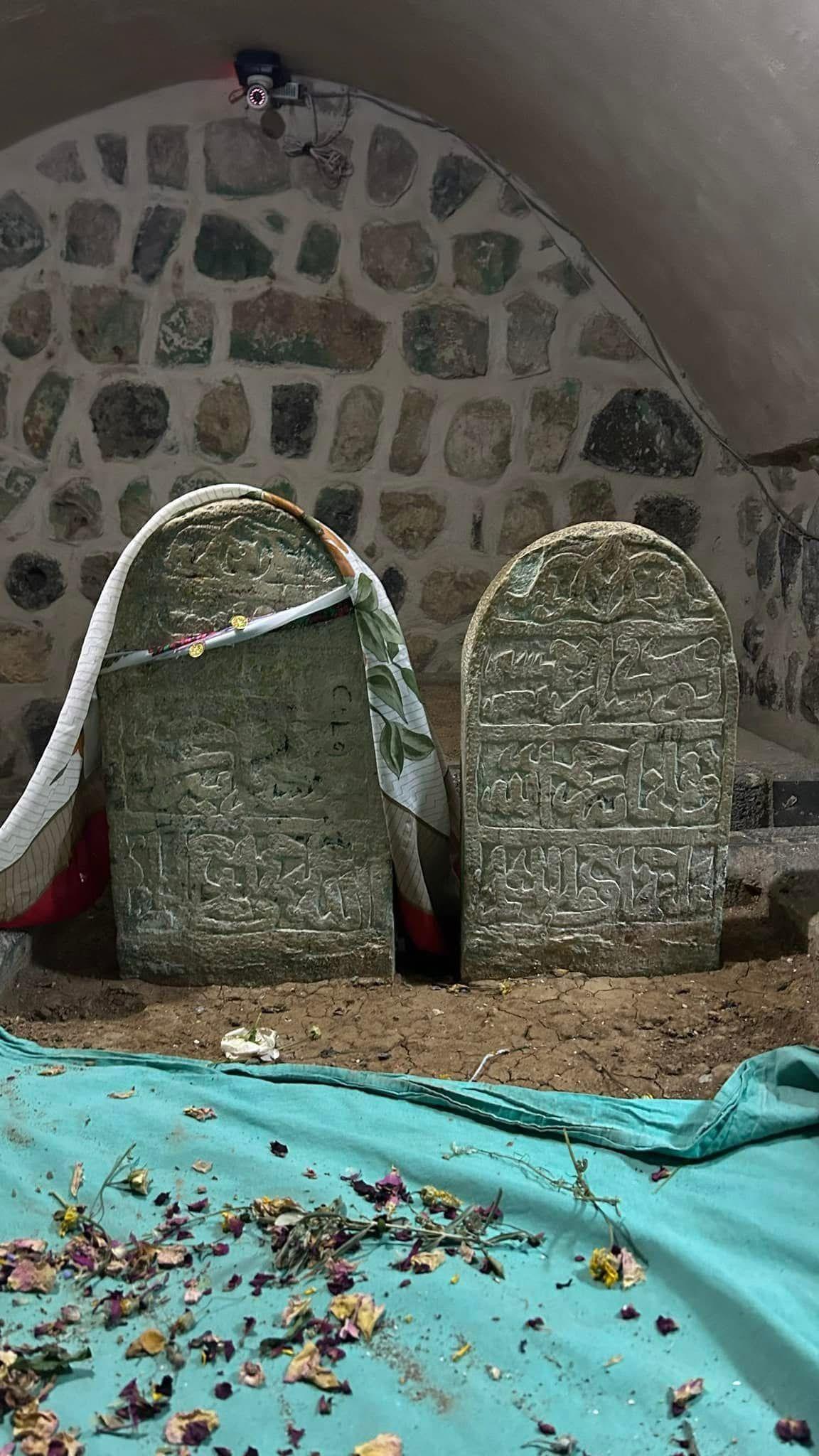
Grave Stones Believed to Belong to Mem and Zin, Şırnak (Photo: Duygu Şahinler)
Tek, Ayhan. Osmanlı Edebiyatında Mem û Zîn Mesnevisi ve Yayılımı. PhD thesis, İhsan Doğramacı Bilkent Üniversitesi, 2015.

No Discussion Added Yet
Start discussion for "The Legend of Mem and Zin" article
Sources
Summary of the Plot
Literary Value and Influence
Translations and Dissemination
Grave and Tomb Information