




The Story of the Violin
Have you ever heard the word "violin"? Do you know why and how it is used, and when it first appeared? Let’s explore it together!
🔍️What Is a Violin?
The violin is a stringed musical instrument that captivates us with its delicate, melodious sound. It has four strings, and when playing, you rest it under your chin. Then, by moving a special bow back and forth across the strings, you produce wonderful tones!
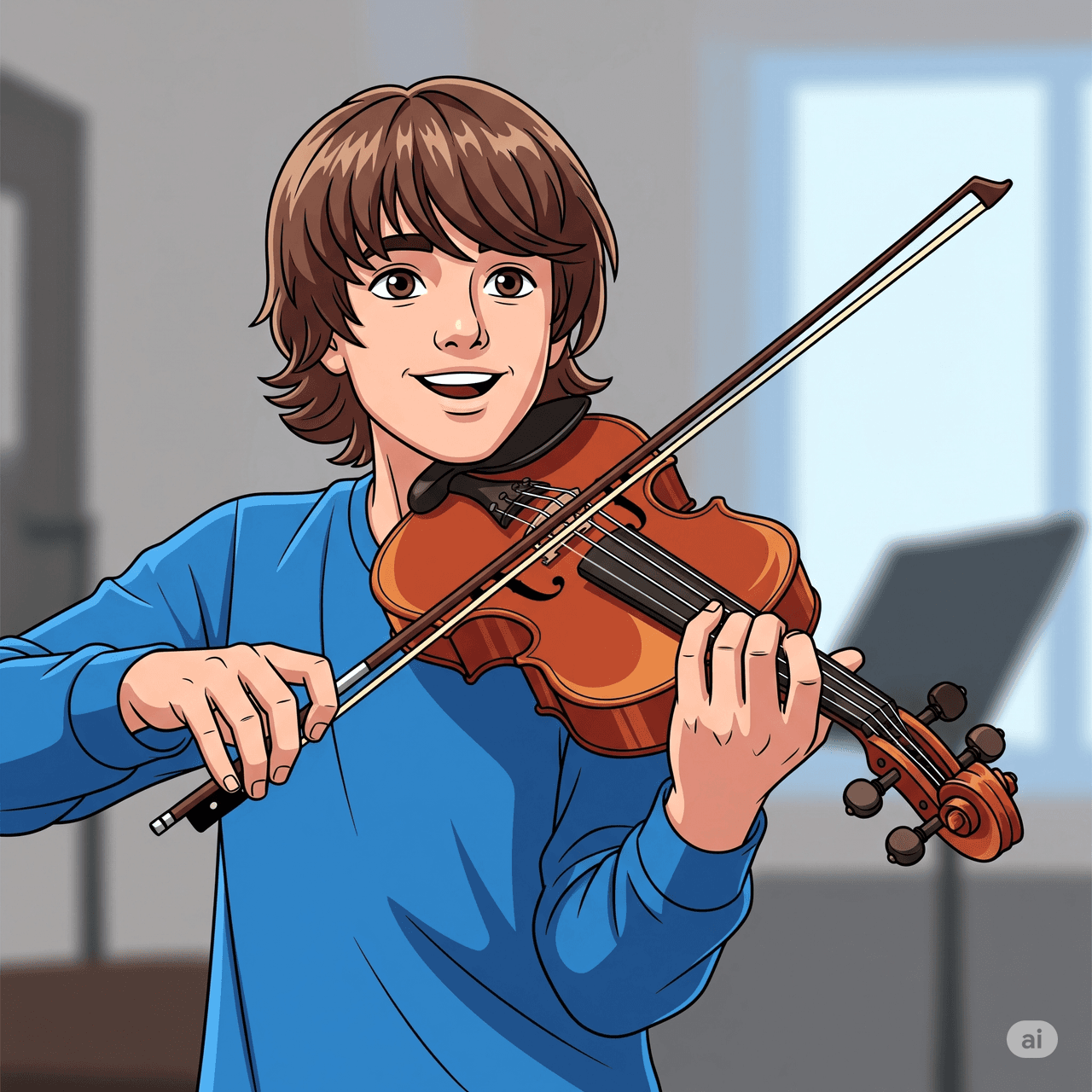
(Generated by artificial intelligence)
In the past, people used only simple instruments to make music. But over time, musical instruments evolved, and one day someone said: “Why not create an instrument whose sound is as fine and beautiful as the human voice?” Thus began the journey of the violin!
🏰 From the Dark Ages to Sound: The Early Steps
The earliest violins were not like the ones we know today. They developed gradually, much like cameras. The violin’s origins trace back to the European Renaissance period, between the 15th and 17th centuries. At that time, instruments were not as advanced as they are now, but people placed great importance on music.
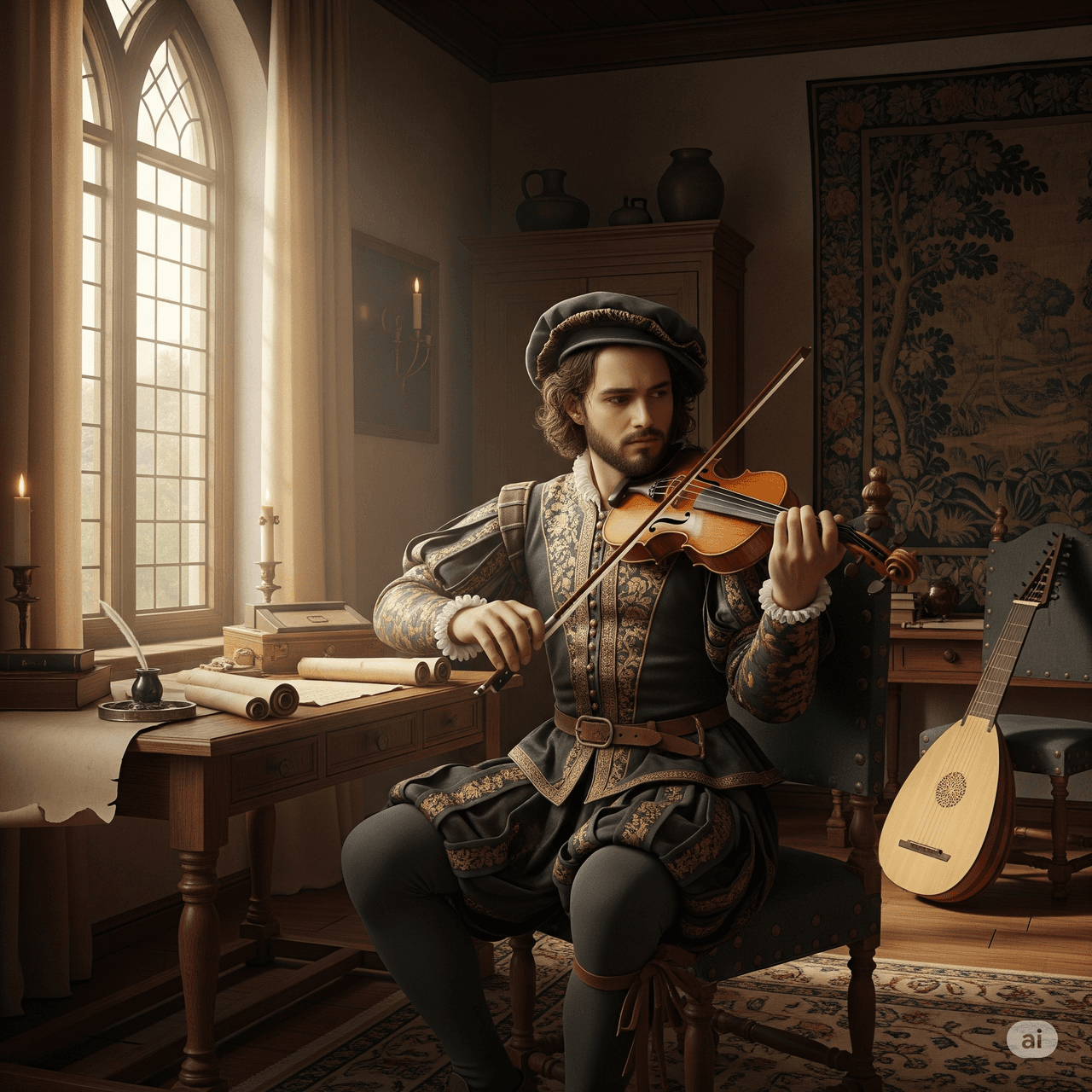
(Generated by artificial intelligence)
During this period, the violin emerged in an incomplete and underdeveloped form. In later centuries, improvements in sound, structure, and materials led to its final form, perfected by the master luthier Kaspar Tieffenbrucker.
🧪 The First True Violins
Early violins were lacking in sound quality and construction. But over time, craftsmen refined them, giving rise to the familiar violin—placed under the chin and played with a bow. Gradually, the violin became not just a musical instrument but also a voice capable of expressing emotion!
🎵 Where Is the Violin Used?
The violin can appear in far more places than you might expect!
🎻 In classical music concerts, it is played as a solo instrument or as part of an orchestra.
🎻 It is also frequently found in folk and popular music.
🎻 In theater and stage performances, music is often created using the violin behind the scenes.
🎻 It can be played as a hobby in music lessons, at school, or at home.
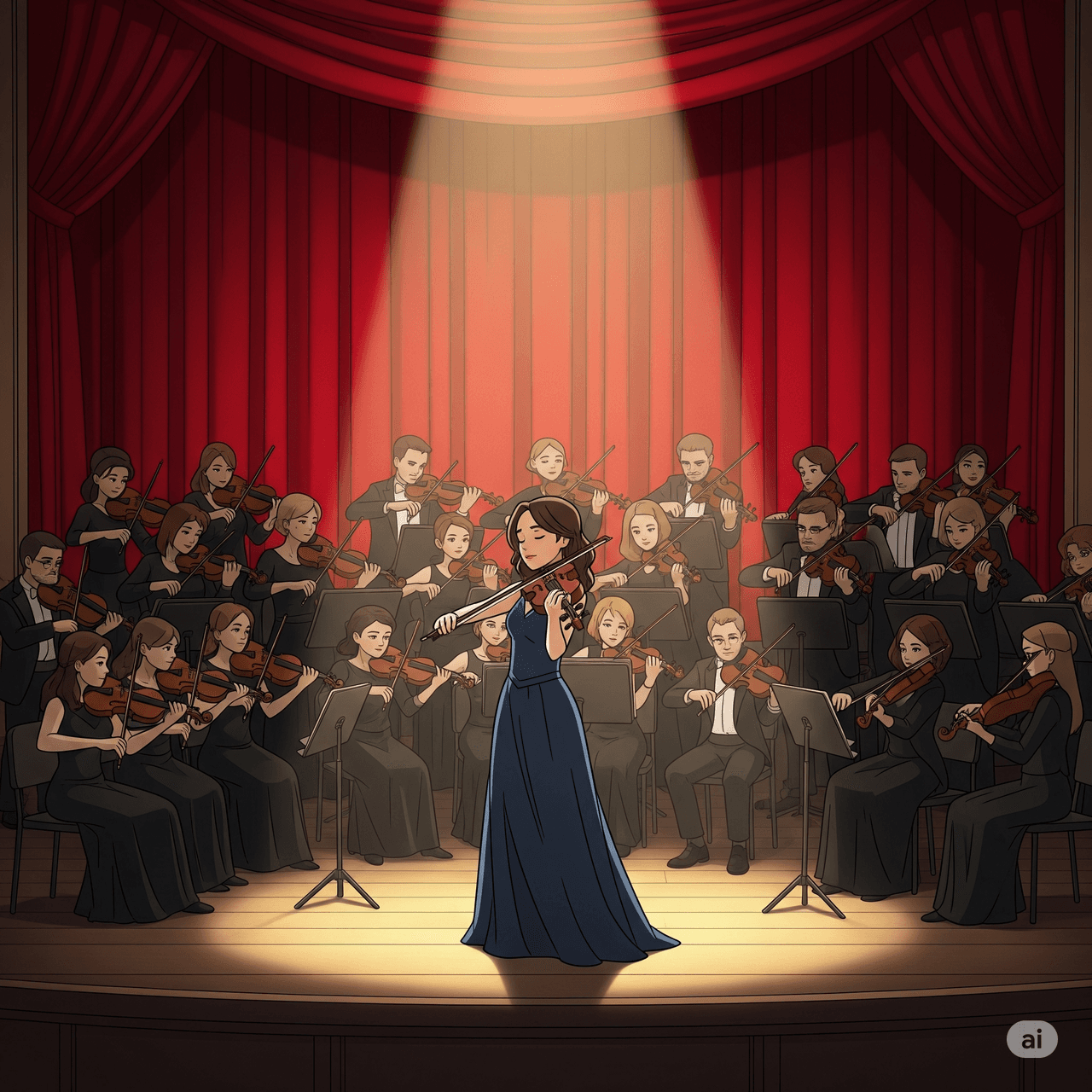
(Generated by artificial intelligence)
🪄 The Magical Version: Electric Violin
There is also an electric version of the violin: the electric violin!
🎵 It first appeared in the early 20th century, during the initial use of electronic instruments.
🎵 It connects to speakers and can amplify its sound.
🎵 Its shape differs slightly from the classical violin and is generally heavier.
🎵 Even without being connected to a speaker, it can still be played, though its sound is quieter.
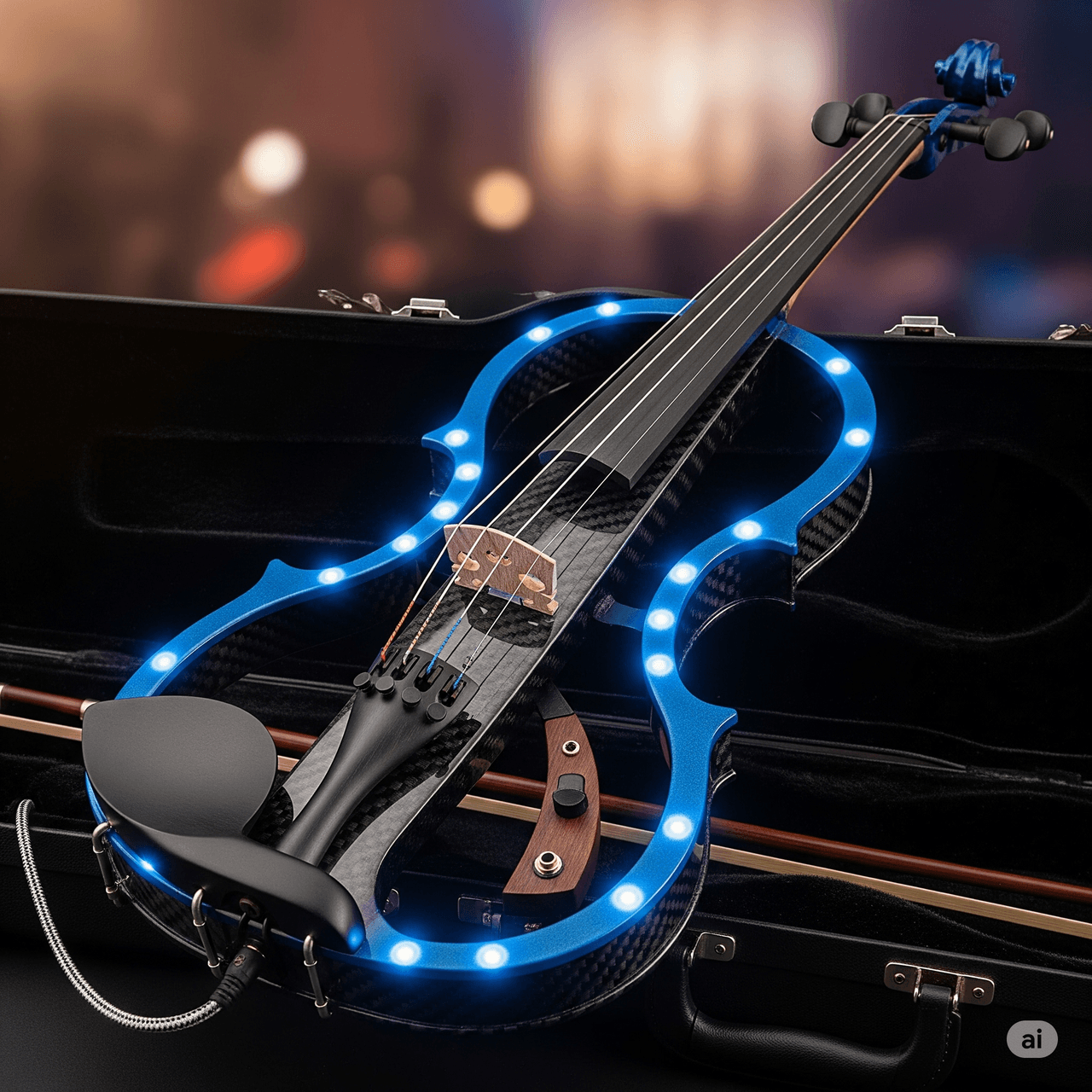
Electric Violin (Generated by artificial intelligence)
⏳ A Journey Through Time: The Violin’s Path
Year: 1500s
🎻 In Europe, people were designing new musical instruments. These were not yet fully “violins,” but they closely resembled them.
Year: 1600s
🛠️ Masters like Kaspar Tieffenbrucker shaped the violin’s form. Bows, chin rests, and tonal qualities improved significantly.
Year: 1800s
🎼 The violin had become an indispensable part of classical music, taking center stage in grand concert halls.
Year: 1900s
⚡ Technology advanced, and electric violins emerged.
🤩 The Violin Today
Today, the violin is a remarkable instrument used in both classical and modern music genres. Young children attend violin lessons, and some aspire to become virtuoso violinists as they grow up. The violin is not merely a musical instrument—it is one of the most beautiful ways to express emotion!
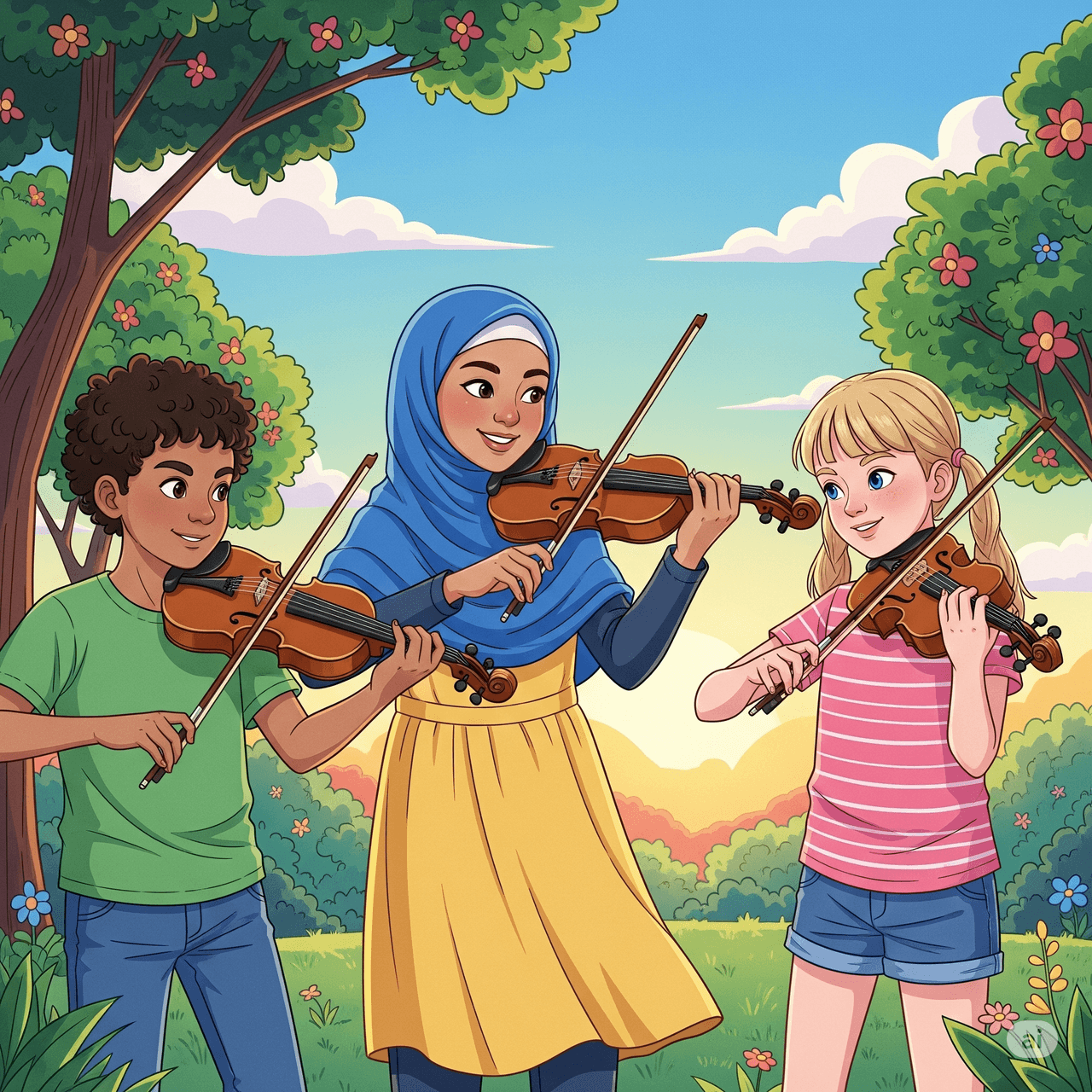
(Generated by artificial intelligence)