This article was automatically translated from the original Turkish version.
+2 More
Registration Date | 2009-11-17 | ||||||||
|---|---|---|---|---|---|---|---|---|---|
Type(s) | Grape molasses | ||||||||
Region(s) | Black Sea | ||||||||
Province(s) | Tokat | ||||||||
Geographical İndication | Mahreç sign | ||||||||
Tokat Zile Pekmezi is a traditional grape molasses produced in the Zile district of Tokat province using conventional methods. It is characterized by its white color and firm consistency. Distinctive in color, texture, and production technique compared to other grape molasses varieties, it is a defining element of the regional culinary culture.
Zile pekmezi is closely associated with the Zile district of Tokat province in terms of both production and reputation. Its distinguishing characteristics have emerged from the long-standing continuation of production in this region and the development of local knowledge. Zile district is recognized as the traditional center of pekmez production.
The primary raw material for Zile pekmezi is grape must. During the production process, the following substances are used to treat the must:
These ingredients play a role in clarifying the must, reducing its acidity, and achieving its characteristic white color.

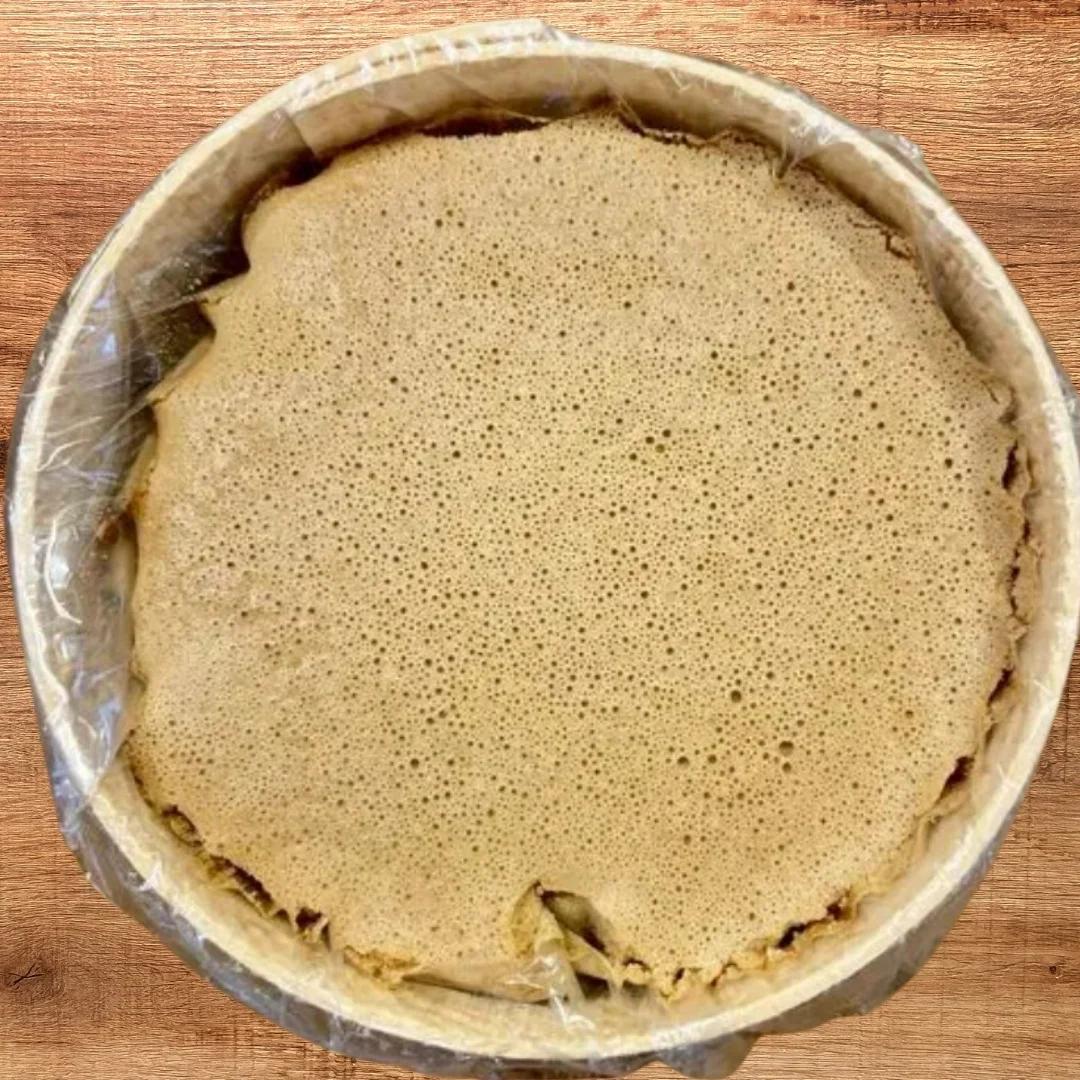
Tokat Zile Pekmezi (generated by artificial intelligence.)
The production of Zile pekmezi is a multi-stage process based on traditional methods. The must obtained from grapes is first clarified using pekmez soil along with calcium and sodium carbonate to reduce acidity and improve clarity. Following this, the must is boiled to concentrate it.
The key step that distinguishes Zile pekmezi from other molasses varieties is the whipping process using egg white, also known as bleaching. Intensive whipping results in a light white color and a firm consistency. This method is regarded as the distinctive production technique of Zile pekmezi.
Zile pekmezi is:
Zile pekmezi has been registered as a geographical indication by the Turkish Patent and Trademark Office. The geographical indication provides legal protection for:
The registration certifies that the product is intrinsically linked to its designated geographical area and is produced using these specific characteristics.
Zile pekmezi is produced both in households and on a commercial scale in Zile and its surrounding areas. The product is an integral part of the daily dietary habits of the local population and is regarded as a significant component of Tokat’s traditional food culture. It also serves as a cultural value by preserving and transmitting regional knowledge and production practices to the present day.
Anadolu’dakiler. "Yumurta Akı ile Ağaran Zile Pekmezi." Accessed January 24, 2026. https://anadoludakiler.org/birikim/yumurta-aki-ile-agaran-zile-pekmezi/
Tokat Valiliği. "Zile Pekmezi." Tokat Valiliği Resmî. Accessed January 24, 2026. https://tokat.gov.tr/zile-pekmezi
Tokat İl Directorate of Culture and Tourism. "Zile Pekmezi." Türkiye Kültür Portalı. Accessed January 24, 2026. https://www.kulturportali.gov.tr/turkiye/tokat/neyenir/zle-pekmez
Turk Patent and Trademark Office. "Zile Pekmezi – Coğrafi İşaret Tescil Bilgileri." *Coğrafi İşaretler Portalı*. Accessed January 24, 2026. https://ci.turkpatent.gov.tr/cografi-isaretler/detay/37978

Registration Date | 2009-11-17 | ||||||||
|---|---|---|---|---|---|---|---|---|---|
Type(s) | Grape molasses | ||||||||
Region(s) | Black Sea | ||||||||
Province(s) | Tokat | ||||||||
Geographical İndication | Mahreç sign | ||||||||
Geographical Distribution and Origin
Raw Materials
Production Method
Physical and Distinguishing Characteristics
Geographical Indication Status
Cultural and Local Value