This article was automatically translated from the original Turkish version.
Toyota Prius (XW60)
Producer(s) | Toyota | ||||||||
|---|---|---|---|---|---|---|---|---|---|
Production Start | 2022 (5th generation XW60) | ||||||||
Segment | Mid-size Hatchback | ||||||||
Engine Option(s) | Plug-in Hybrid | ||||||||
Electric Range | 69–72 km (WLTP) | ||||||||
Seating Capacity | 5 people | ||||||||
Transmission(s) | e-CVT Automatic | ||||||||
Production Location | Tsutsumi, Japan | ||||||||
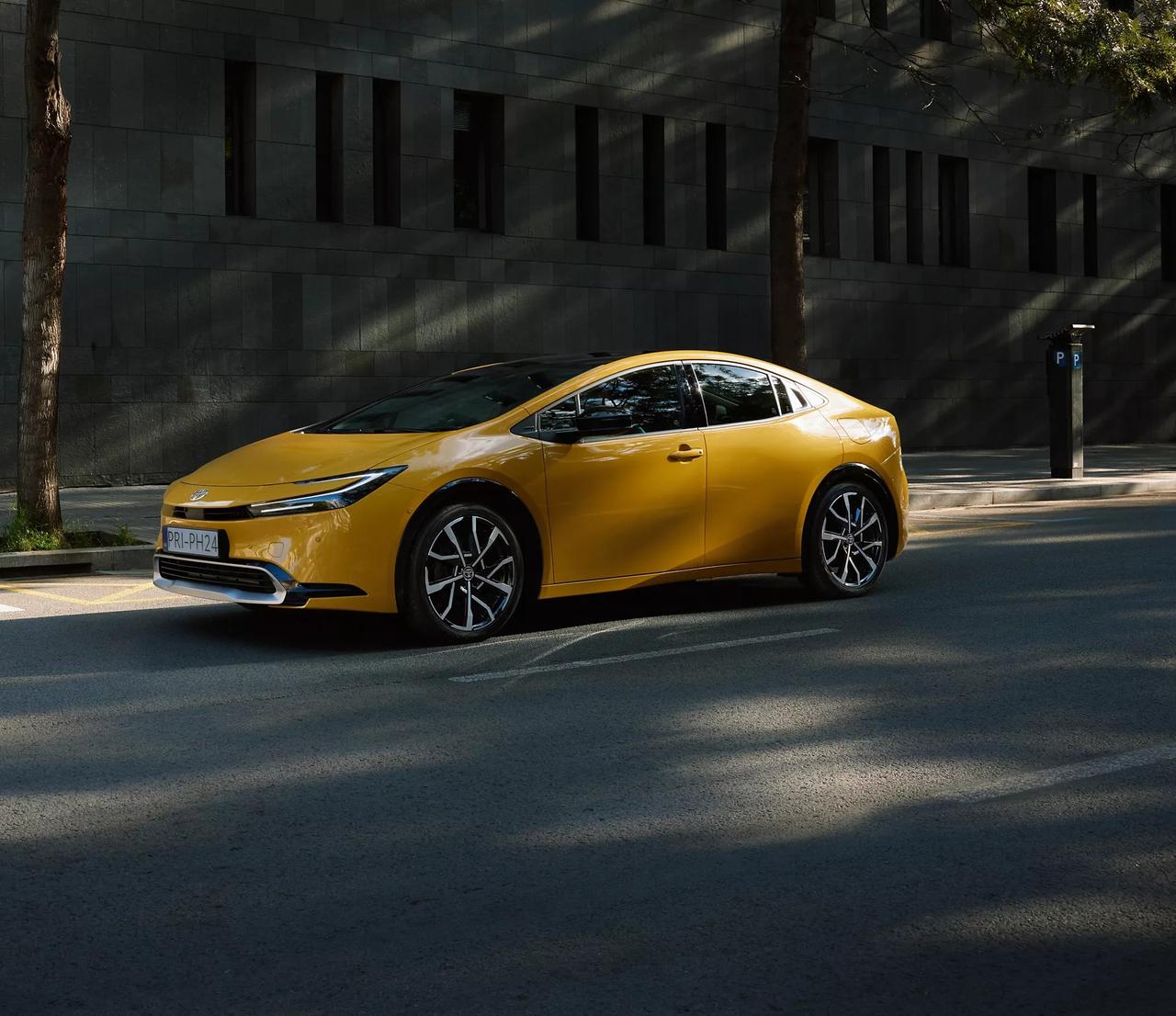
The Toyota Prius (XW60) is recognized as the first hybrid automobile to enter mass production worldwide, developed by the Japanese automaker Toyota. First introduced in 1997, the model was renewed in 2022 with its fifth generation (XW60). The Prius is positioned in the mid-size hatchback segment with plug-in hybrid technology and a range of driving assistance systems.
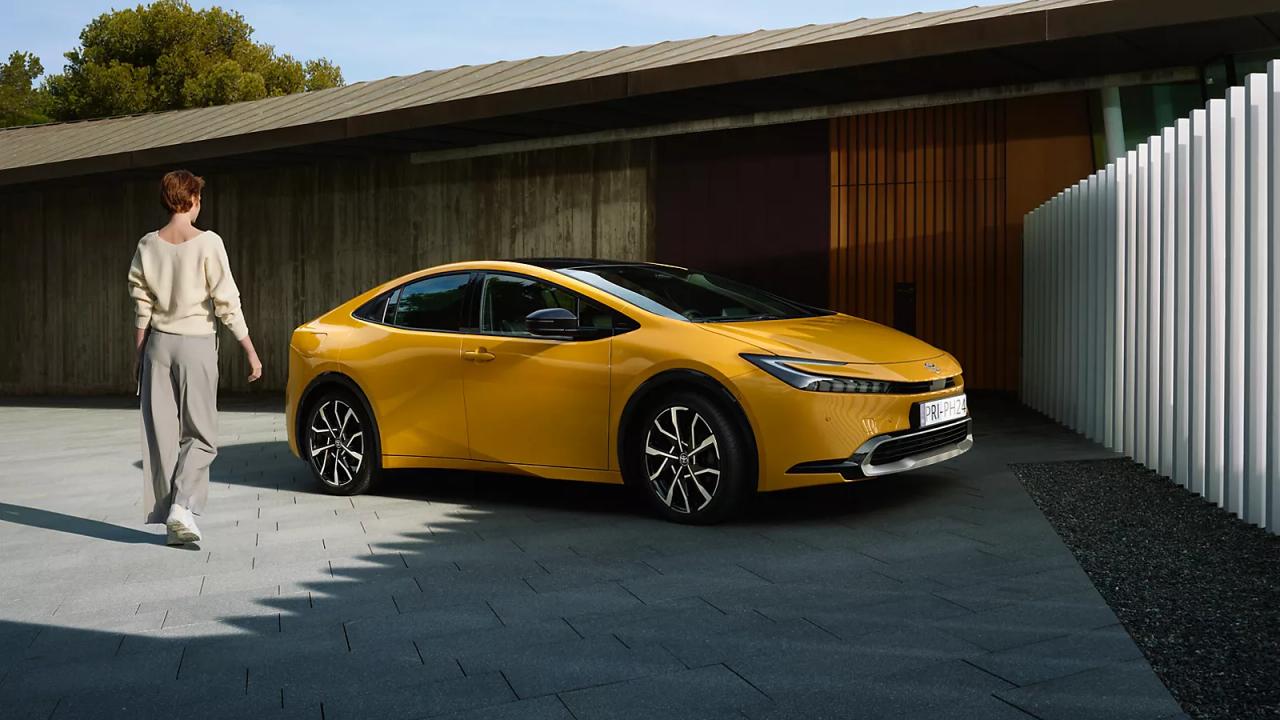
Toyota Prius XW60 (Toyota)
The fifth-generation Prius is built on an updated version of Toyota’s TNGA-C platform. The body design features a lowered roofline, an extended wheelbase, and an optimized aerodynamic structure.
LED headlights and prominent lines are key design elements of the vehicle.
The XW60 offers both plug-in hybrid (PHEV) and conventional hybrid (HEV) configurations.
The new lithium-ion battery technology offers higher energy density and charging capacity compared to the previous generation.
The Prius interior features a driver-focused cockpit layout and digital instrumentation.
Standard features:
Optional features:
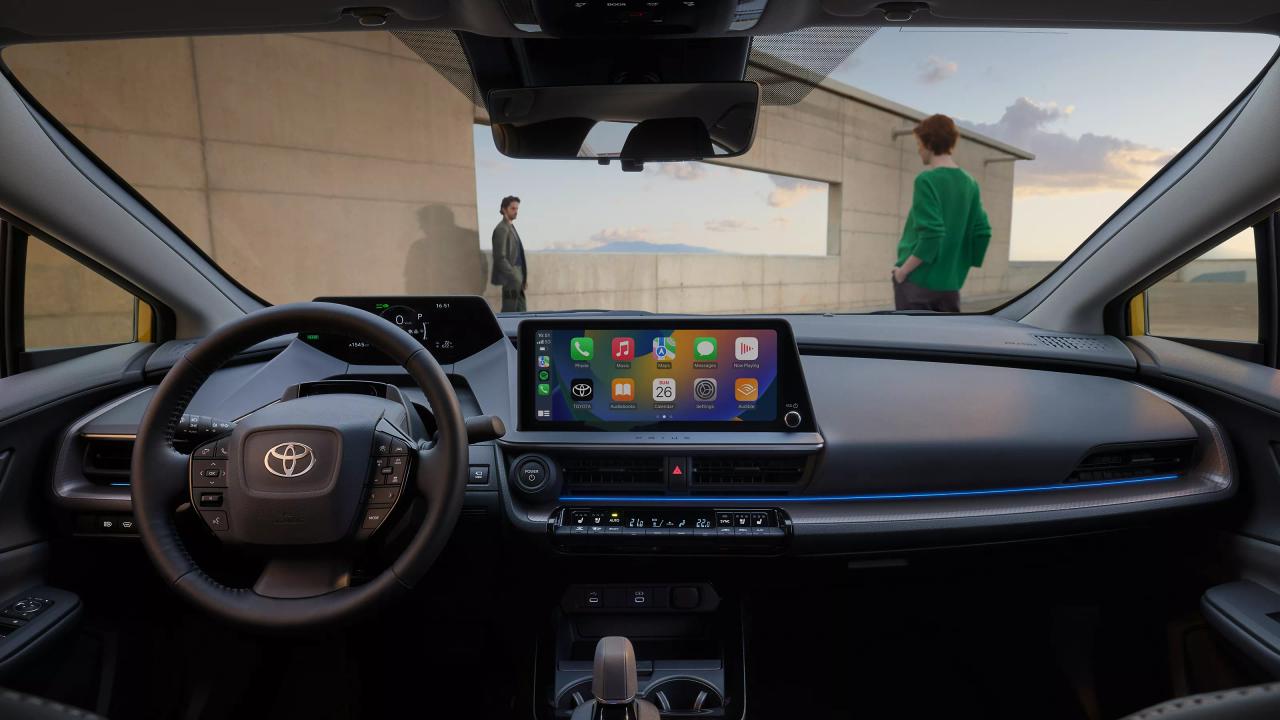
Toyota Prius XW60 Interior Design (Toyota)
The XW60 achieved a five-star rating in Euro NCAP crash tests. It is equipped with the Toyota Safety Sense 3.0 package, which includes:
The Toyota Prius (XW60) is manufactured at Toyota’s Tsutsumi plant in Japan. The model is sold in European, North American, and Asian markets, competing in the same segment as vehicles such as the Volkswagen ID.4 and Hyundai Ioniq 6.
Toyota Newsroom Europe. "New Features for a More Efficient and Convenient Toyota Prius in 2025." Accessed July 9, 2025. https://newsroom.toyota.eu/new-features-for-a-more-efficient-and-convenient-toyota-prius-in-2025/
Toyota Türkiye. "Toyota 5. Nesil Prius’u Dünya Prömiyeriyle Tanıttı." Accessed July 9, 2025.
Toyota UK. "Toyota Prius Plug-in – Specifications and Models." Accessed July 9, 2025. https://www.toyota.co.uk/new-cars/prius-plugin
Toyota USA. "2024 Toyota Prius – Overview and Features." Accessed July 9, 2025.

Toyota Prius (XW60)
Producer(s) | Toyota | ||||||||
|---|---|---|---|---|---|---|---|---|---|
Production Start | 2022 (5th generation XW60) | ||||||||
Segment | Mid-size Hatchback | ||||||||
Engine Option(s) | Plug-in Hybrid | ||||||||
Electric Range | 69–72 km (WLTP) | ||||||||
Seating Capacity | 5 people | ||||||||
Transmission(s) | e-CVT Automatic | ||||||||
Production Location | Tsutsumi, Japan | ||||||||
No Discussion Added Yet
Start discussion for "Toyota Prius (XW60)" article
Design and Structural Features
Engine Options and Performance
Interior and Technological Features
Safety and Driver Assistance Systems
Production and Market Positioning