

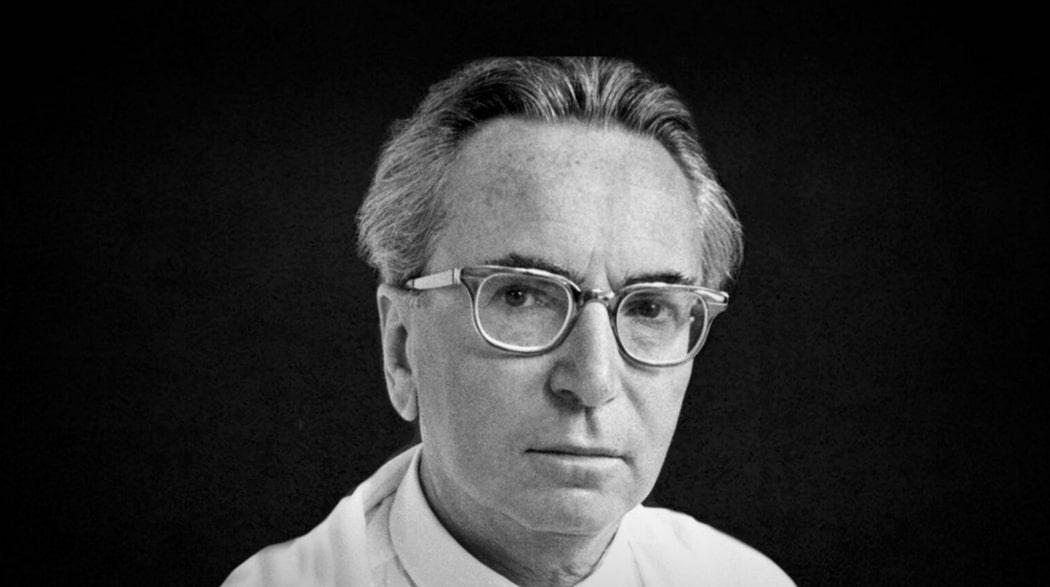
+2 More

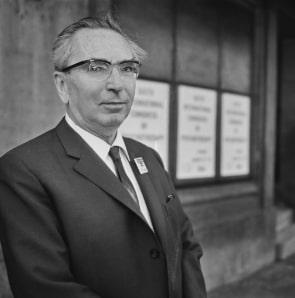
Viktor Emil Frankl
Date of Birth | 1905 | ||||||||
|---|---|---|---|---|---|---|---|---|---|
Date of Death | 1997 | ||||||||
Place of Birth | Austria | ||||||||
Education | University of Vienna - Medical Education | ||||||||
Viktor Emil Frankl (1905–1997) was an Austrian neurologist and psychiatrist, known as the founder of logotherapy, a meaning-centered approach to psychotherapy. Frankl argued that the primary drive in human beings is not the pursuit of pleasure (as in Freud’s psychoanalysis) or the striving for power (as in Adler’s individual psychology), but the search for meaning. His experiences in Nazi concentration camps during World War II profoundly shaped his approach to psychology and psychotherapy. Among Frankl’s most influential works are the book Man’s Search for Meaning and his theoretical contributions to logotherapy.
Frankl was born on 26 March 1905 in Vienna, Austria. After completing secondary education, he studied medicine at the University of Vienna, specializing in neurology and psychiatry. His academic research focused on suicide and depression, particularly among young people and individuals living in poverty. He was influenced by Freud’s psychoanalysis and Adler’s individual psychology but eventually developed his own theoretical framework distinct from both.
In 1942, during the Nazi occupation, Frankl and his family were sent to concentration camps, where he made observations on physiological and psychological resilience. Despite losing his entire family, he survived and returned to Vienna after the war to resume his academic work. In 1946, he published Ein Psycholog erlebt das Konzentrationslager, in which he detailed his camp experiences and elaborated on the logotherapy approach. In 1955, Frankl became a professor at the University of Vienna and continued his research in psychotherapy. Throughout his career, he delivered lectures at various academic institutions including Harvard, Stanford and Duquesne Universities.
Logotherapy is a form of psychotherapy that centers on the individual’s search for meaning as a key factor in psychological well-being. According to Frankl, regardless of the conditions one faces, the meaning assigned to life events determines psychological resilience. Logotherapy is based on three fundamental principles:
Logotherapy has been recognized as an effective therapeutic approach for treating psychological disorders such as post-traumatic stress disorder (PTSD), depression and anxiety disorders. Frankl’s approach is grounded in the idea that individuals can enhance their psychological resilience by finding meaning in traumatic experiences.
Frankl’s ideas align with the core principles of existentialist philosophy. Friedrich Nietzsche’s statement, “He who has a why to live can bear almost any how,” forms the foundation of Frankl’s meaning-centered approach. Parallel to the existentialism of Jean-Paul Sartre and Albert Camus, Frankl maintained that individuals can increase their freedom and responsibility by assigning meaning to their lives. However, Frankl’s existentialism emerged as an alternative to nihilism, focusing specifically on the human capacity to make life meaningful.
Frankl’s academic contributions extended beyond psychotherapy to lay the groundwork for philosophical and ethical debates. His major works include:
These works highlight Frankl’s contributions to psychotherapy and existential thought. Man’s Search for Meaning is one of the most widely read books in psychology, translated into numerous languages and widely studied in academic circles.
Frankl’s work has generated widespread interest in psychology and made significant contributions to humanistic and existential psychotherapeutic approaches. Logotherapy has been recognized as an effective treatment for PTSD and depression, and is actively applied by the Viktor Frankl Institute and various psychological centers. Frankl’s ideas continue to inform contemporary research on factors that enhance psychological resilience.
Socially, Frankl’s ideas have introduced a new perspective on how individuals can seek meaning in the face of crises and trauma. They have also significantly influenced the field of personal development and are frequently cited by thinkers across disciplines. In academic circles, the impact and limitations of logotherapy remain subjects of ongoing debate, with continued evaluation of its position among psychotherapeutic methods.
"Yaşamak Acı Çekmektir." Avlaremoz, August 29, 2023. https://www.avlaremoz.com/2023/08/29/yasamak-aci-cekmektir/.
Edebiyat Evi. "Viktor Emil Frankl." Accessed March 19, 2025. https://edebiyat-evi.com/viktor-emil-frankl/.
PubMed Central. "Logotherapy: A Comprehensive Review and Its Applications in Modern Psychotherapy." Accessed March 19, 2025. https://pmc.ncbi.nlm.nih.gov/articles/PMC8763215/.
Viktor Frankl Amerika. "Viktor Frankl: Hayatı ve Logoterapinin Doğuşu." Accessed March 19, 2025. https://viktorfranklamerica.com/viktor-frankl-bio/.
Yeşilçayır, C. *DergiPark - Temasa Dergisi.* “Viktor Frankl ve Logoterapi: Anlam Arayışının Psikoterapötik Boyutları.” Accessed March 19, 2025. https://dergipark.org.tr/tr/pub/temasa/issue/73839/1159089.

Viktor Emil Frankl
Date of Birth | 1905 | ||||||||
|---|---|---|---|---|---|---|---|---|---|
Date of Death | 1997 | ||||||||
Place of Birth | Austria | ||||||||
Education | University of Vienna - Medical Education | ||||||||
Life and Academic Career
Logotherapy and Contributions to Psychotherapy
Philosophical Foundations and Relationship to Existentialism
Academic Works and Publications
Impact on Psychology and Society