
This article was automatically translated from the original Turkish version.
Author(s) | Alev Alatlı | ||||||||
|---|---|---|---|---|---|---|---|---|---|
Publisher(s) | Everest | ||||||||
Publication Year | 2013 | ||||||||
Language(s) | Turkish | ||||||||
Genre | Novel | ||||||||
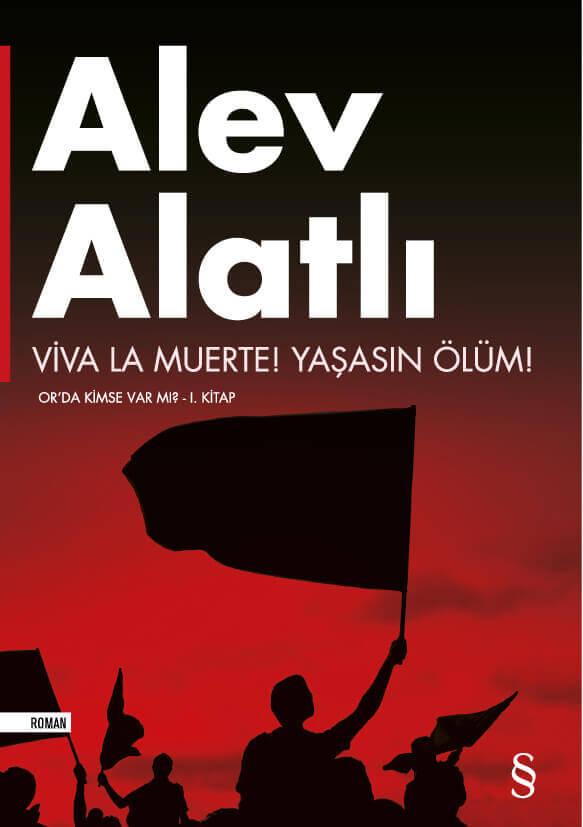
Alev Alatlı’s novel Viva La Muerte! Yaşasın Ölüm! is the first book in her series Is There Anyone There? and stands out as a significant work that profoundly interrogates the intellectual and cultural fabric of Turkish society.
The novel examines the pressure of knowledge and awareness on the individual, as well as society’s attitude toward this pressure, through the life of an intellectual named Günay Rodoplu. Alatlı presents knowledge as a burden and a responsibility, asserting, “In this society, ‘knowing’ inevitably means being subjected to injustice.” Günay’s life becomes an intellectual journey shaped by thinkers ranging from Lao Tzu and the Prophet Muhammad (peace be upon him) to Kropotkin and Baudelaire. Yet this accumulation of knowledge isolates and paralyzes him in the face of society’s indifference. Goodness and resistance arise from standing against such pressures.
Alatlı employs a documentary-style narrative in the novel, transforming the individual story into a social panorama. The seamless transitions between real names and places blur the boundaries between fiction and reality. The novel intertwines intellectual heritage with social critique.
Viva La Muerte! reflects the intellectual climate of 1990s Türkiye and critiques the cultural and political structures of the era. With this work, Alatlı aims not only to analyze the intellectual world of the time but also to decode the general mood of society. The novel features a complex structure in which personal and social conflicts are deeply interwoven, ensuring its thematic relevance endures into the present day.
Accessed November 26, 2025.
Alatlı, Alev. "Viva La Muerte! Yaşasın Ölüm: Orda Kimse Var mı?" Everest Yayınları, İstanbul, 2013.
Alev Alatlı. "Viva La Muerte! Yaşasın Ölüm: Orda Kimse Var mı?" alevalatlı.org. Accessed July 24, 2025.

Author(s) | Alev Alatlı | ||||||||
|---|---|---|---|---|---|---|---|---|---|
Publisher(s) | Everest | ||||||||
Publication Year | 2013 | ||||||||
Language(s) | Turkish | ||||||||
Genre | Novel | ||||||||
No Discussion Added Yet
Start discussion for "Viva La Muerte! Long Live Death! (Book)" article
Subject
Narrative Style and Tone
Social Critique