


This article was automatically translated from the original Turkish version.
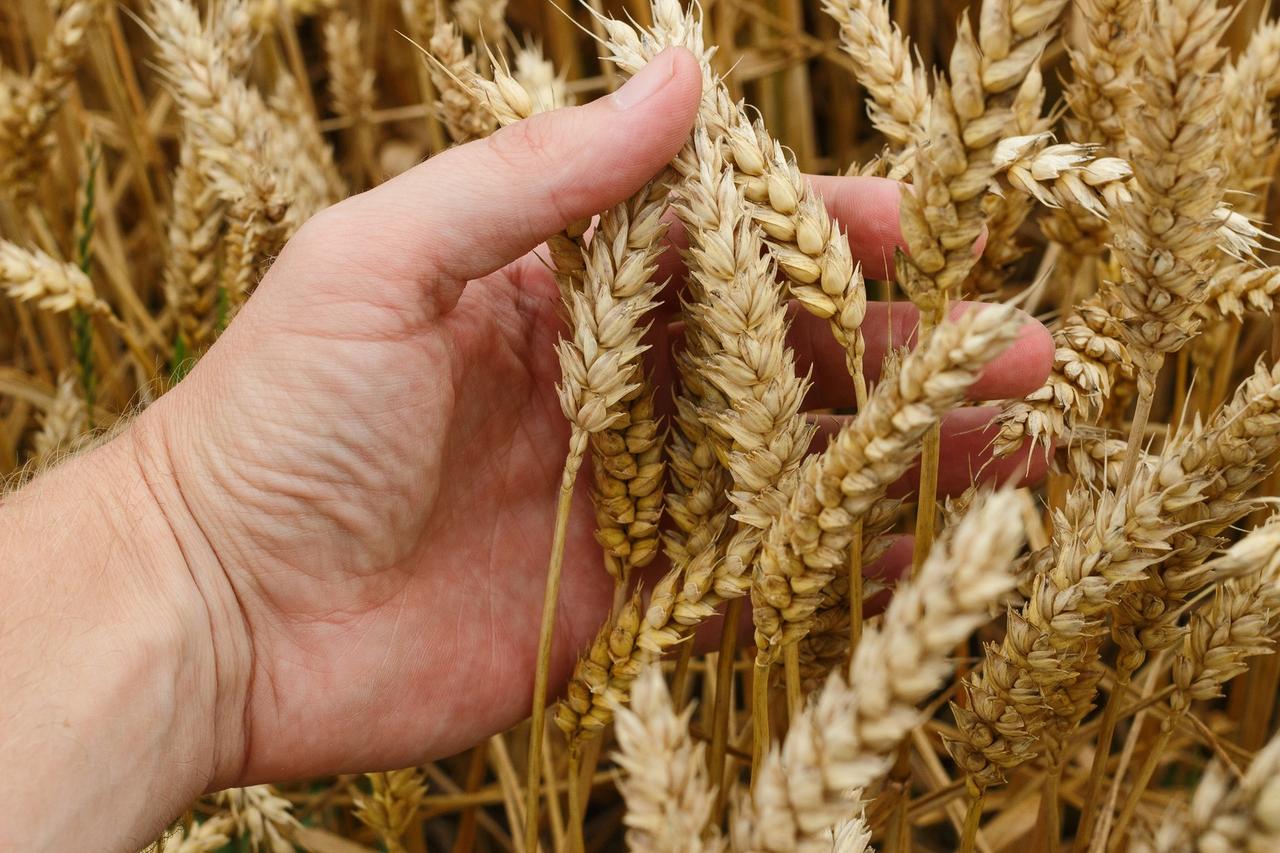
Wheat (Triticum spp.)
Scientific Name(s) | Triticum spp. Bread wheat (Triticum aestivum L.) and pasta wheat (Triticum durum Desf.) | ||||||||
|---|---|---|---|---|---|---|---|---|---|
Family and Genus | Belongs to the genus Triticum of the Poaceae family | ||||||||
Origin(s) | Approximately 10 000 years ago in Southeastern Anatolia (around Karacadağ) and Mesopotamia | ||||||||
Area(s) of Use | Semolina and Starch Animal Feed Pasta Bulgur Flour Bread | ||||||||
Wheat is a cereal crop belonging to the Poaceae family and the genus Triticum, and is among the world’s staple food crops. It is generally classified into two main species groups: Triticum aestivum L. (bread wheat) and Triticum durum Desf. (durum wheat). Wheat is polyploid in structure and is typically represented by diploid (2n=14), tetraploid (2n=28), and hexaploid (2n=42) species.

Wheat Field in Summer (Pexels)
According to archaeological and genetic evidence, wheat was domesticated approximately 10,000 years ago in the Near East’s region known as the “Fertile Crescent.” Southeastern Anatolia in Türkiye, particularly around Karacadağ, is identified as the genetic center of wheat domestication. Tetraploid forms arose from the hybridization of wild Triticum urartu and Aegilops speltoides, while hexaploid forms, the ancestors of modern bread wheat, emerged from the subsequent hybridization of these tetraploid forms with Aegilops tauschii.
Wheat is a herbaceous plant with slender, elongated leaves and an inflorescence structure known as a spike. Each spike contains numerous flowers, most of which are fertilized and produce grains. The grain consists of endosperm, embryo, and bran. Variations in color, size, and hardness are observed, and these traits are key determinants in both breeding programs and end-use applications.
Wheat exhibits broad adaptability and can be successfully cultivated in temperate, continental, and semi-arid climates. Its tolerance to low temperatures is critical during early development stages. Both winter and spring growth habit varieties exist. Türkiye is among the leading countries in wheat production, with cultivation areas exceeding 7.8 million hectares.

Wheat Harvest (Pxhere)
Türkiye hosts 28 wild wheat taxa, hundreds of local (village) landraces, and dozens of registered cultivars. As of 2016, 198 bread wheat and 61 durum wheat varieties have been officially registered. Local landraces are distinguished by their adaptability, stress tolerance, and aromatic qualities, while cultivars have been bred for higher yield and improved quality.
The quality of bread wheat is determined by parameters such as protein content, gluten quantity, thousand-kernel weight, and hectoliter weight. Research conducted under Bursa conditions found that wheat lines had protein content ranging from 11.85% to 13.44% and thousand-kernel weight between 42.88 g and 51.17 g. Wheat is used primarily as flour for bread, but also for bulgur, semolina, pasta, starch, and animal feed.

Wheat Harvest (Generated by Artificial Intelligence)
In Turkish culture, wheat and its products are not merely food items but also symbols of socio-cultural life. Rituals such as “diş buğdayı” have become embedded in collective memory. In Anatolia, bread is produced and consumed in numerous local forms, including lavaş, yufka, bazlama, and tandır.
Different wheat varieties are cultivated across Türkiye’s diverse ecological regions. Trials conducted in the Erzurum Plain evaluated the adaptation of 25 wheat varieties and found that the Doğu 88 variety outperformed others in both grain yield and spike number. Other region-specific genotypes include Alparslan, Türkmen, and Kıraç 66.
Wheat Field Aerial Drone Footage (Drone Man)
In recent years, wheat has been associated in some speculative discussions with genetically modified organisms (GMOs). However, no commercially grown GMO wheat is cultivated in Türkiye or anywhere else in the world. Nevertheless, processing methods—such as the removal of germ and bran during white flour production—can lead to a reduction in nutritional value. Therefore, consumption of whole grain products is being encouraged.
Atak, M. 2017. “Buğday ve Türkiye buğday köy çeşitleri.” *Mustafa Kemal Üniversitesi Ziraat Fakültesi Dergisi* 22, no. 2: 71–88. https://dergipark.org.tr/en/download/article-file/375073.
Drone Adam. n.d. “Buğday Tarlası ve Biçerdöver – Drone Görüntüsü.” YouTube. Accessed May 19, 2025. https://www.youtube.com/watch?v=Dh7yiMWKXVY.
GAPTAEM (Güneydoğu Anadolu Tarımsal Araştırma Enstitüsü Müdürlüğü). n.d. “Buğday Çeşitlerimiz.” T.C. Tarım ve Orman Bakanlığı. Accessed May 19, 2025. https://arastirma.tarimorman.gov.tr/gaptaem/Menu/26/Bugday-Cesitlerimiz.
Pexels. n.d. “Mavi Gökyüzünün Altında Sarı Buğday Tarlasında Ağaçlar.” *Pexels*. Accessed May 19, 2025. https://www.pexels.com/tr-tr/fotograf/mavi-gokyuzunun-altinda-sari-bugday-tarlasinda-agaclar-65648/.
Pxhere. n.d. “Sarı Buğday Tarlası ve Gökyüzü.” *Pxhere*. Accessed May 19, 2025. https://pxhere.com/tr/photo/570158.
Yağdı, Köksal. 2004. “Bursa Koşullarında Geliştirilen Ekmeklik Buğday (Triticum aestivum L.) Hatlarının Bazı Kalite Özelliklerinin Araştırılması.” Uludağ Üniversitesi Ziraat Fakültesi Dergisi 18, no. 1: 11–23. https://dergipark.org.tr/en/download/article-file/153996.
Çalkaya, Mustafa. 2025. “Buğday rekoltesinin bu yıl 19 milyon ton civarında olması bekleniyor.” *Anadolu Ajansı*, May 8, 2025. https://www.aa.com.tr/tr/ekonomi/bugday-rekoltesinin-bu-yil-19-milyon-ton-civarinda-olmasi-bekleniyor/3560693.
Çağlar, Ö., A. Öztürk, and S. Bulut. 2006. “Bazı ekmeklik buğday çeşitlerinin Erzurum ovası koşullarına adaptasyonu.” *Atatürk Üniversitesi Ziraat Fakültesi Dergisi* 37, no. 1: 1–7. https://dergipark.org.tr/en/download/article-file/34161.
Özberk, F., A. Karagöz, İ. Özberk, and A. Atlı. 2016. “Buğday genetik kaynaklarından yerel ve kültür çeşitlerine; Türkiye'de buğday ve ekmek.” *Tarla Bitkileri Merkez Araştırma Enstitüsü Dergisi* 25, no. 2: 218–233. https://dergipark.org.tr/tr/download/article-file/266641.

Wheat (Triticum spp.)
Scientific Name(s) | Triticum spp. Bread wheat (Triticum aestivum L.) and pasta wheat (Triticum durum Desf.) | ||||||||
|---|---|---|---|---|---|---|---|---|---|
Family and Genus | Belongs to the genus Triticum of the Poaceae family | ||||||||
Origin(s) | Approximately 10 000 years ago in Southeastern Anatolia (around Karacadağ) and Mesopotamia | ||||||||
Area(s) of Use | Semolina and Starch Animal Feed Pasta Bulgur Flour Bread | ||||||||
No Discussion Added Yet
Start discussion for "Wheat (Triticum spp.)" article
Origin and History
Morphological Characteristics
Growing Conditions and Distribution
Genetics and Genetic Diversity
Quality Traits and Uses
Cultural and Social Significance
Regional Diversity and Adaptation in Türkiye
Challenges and Current Debates