


This article was automatically translated from the original Turkish version.
+2 More
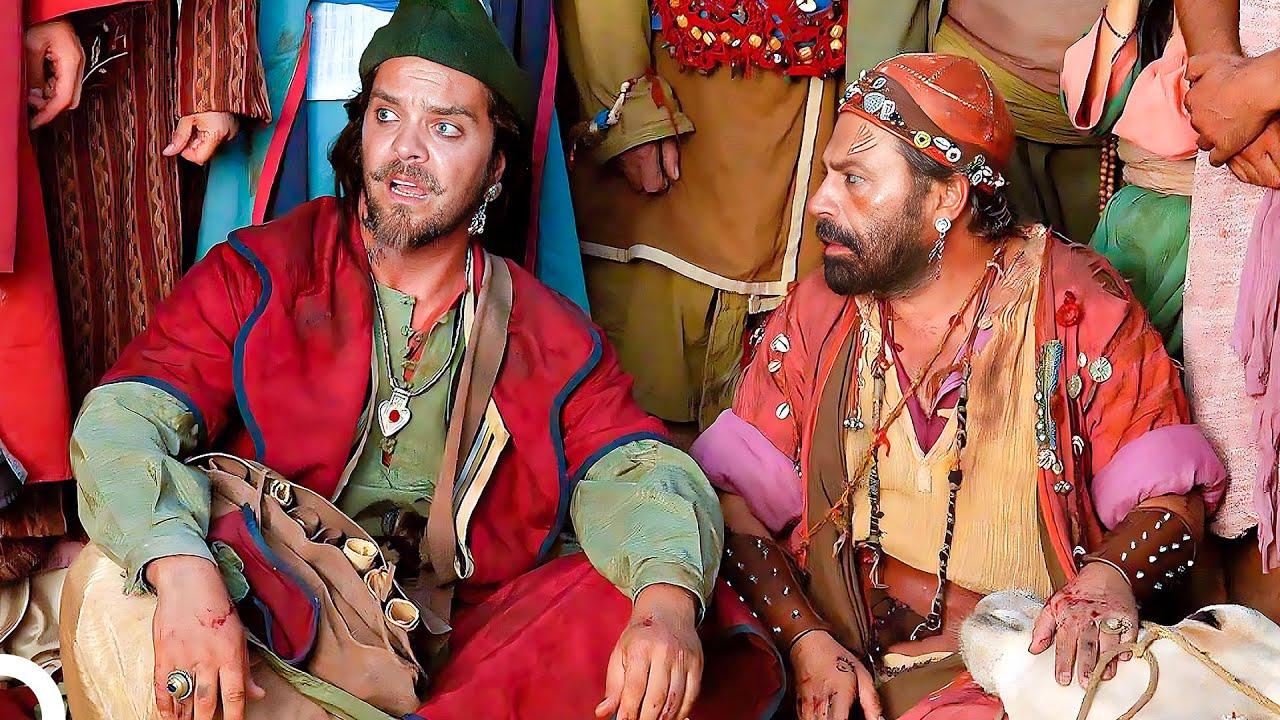
Why Was Hacivat Killed? is a 2006 historical-comedy film directed by Ezel Akay, with a screenplay by Levent Kazak. The lead roles are played by Haluk Bilginer and Beyazıt Öztürk.
The film reimagines the two iconic figures of the shadow shadow play, Karagöz and Hacivat, as legendary and historical personalities, presenting a narrative that uses humor to question the sociopolitical structure of the 14th century Anatolia.
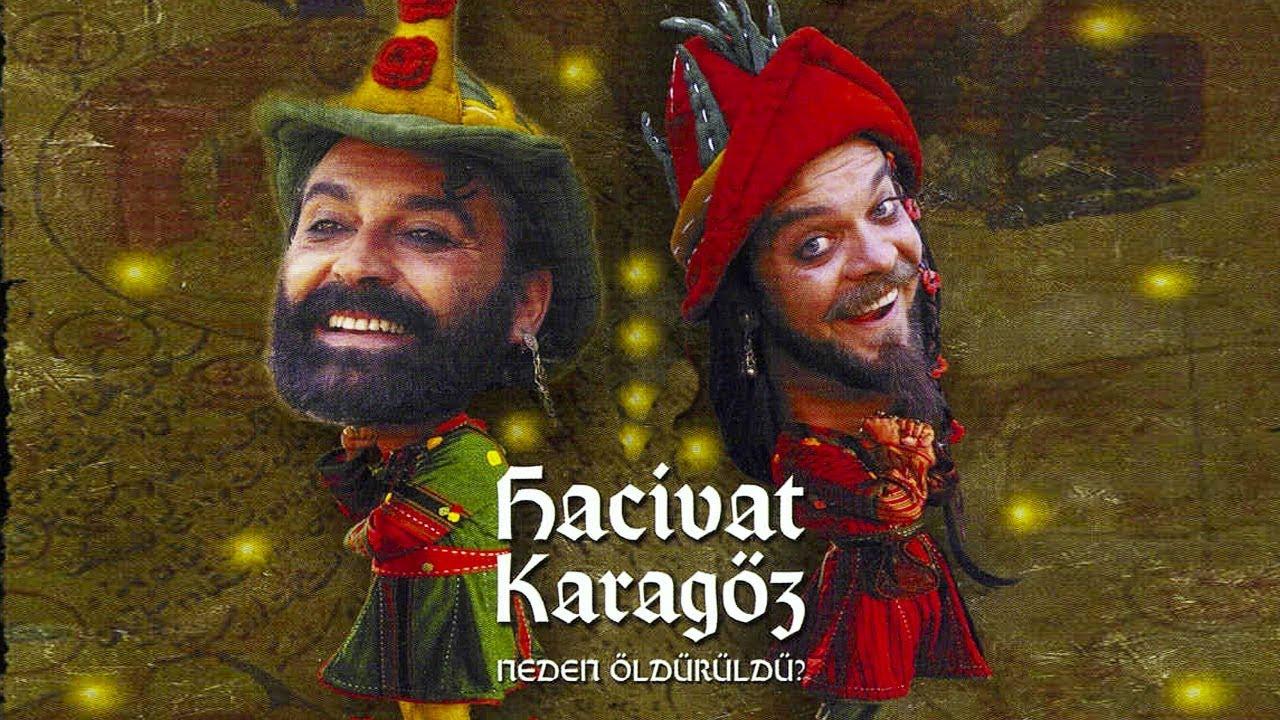
Promotional Image (Beyazperde)
The central story of the film is based on the legend that Karagöz and Hacivat were executed during the Gazi period in Bursa on the grounds that they distracted workers during the construction of a mosque. The film adopts this tale and situates it within a broad historical context, exploring themes such as the transition from nomadic to settled life, religious intolerance, the role of the guild system, the social status of women, Mongol pressure, and Ilkhanid dominance like. Within this framework, the film presents an allegorical and humorous event that intertwines historical reality with fiction.
The film is set in the first half of the 14th century, a period when the Anatolian Seljuk State was weakening, the influence of the Mongol Ilkhanids was growing, and the Ottoman Beylik was beginning to institutionalize. During this time, religious, economic, and sociopolitical structures in Anatolia were being reshaped. The film uses this historical transformation as its backdrop.
In the film, Karagöz is portrayed as a shamanist Yörük who fled Mongol oppression. He is deeply attached to his nomadic lifestyle, in harmony with nature, and embodies a primal character. “He has no navel.” This symbolic feature alludes to his status as a mythical or people creation. He is a figure who struggles to adapt to the changing religious landscape of the era and remains alien to the new order.
Hacivat, by contrast, is a urbane, educated, and cunning figure. He is fluent in Arabic and Persian and possesses mastery over diplomacy. He is the character sent to Demirtaş ambassador. Like Karagöz, he is also a “navel-less” imaginary figure, but he possesses a flexible personality capable of adapting to the system.
The character of Pervane is depicted as an administrator who skillfully navigates the power balances of the era and sustains his position through利益关系. The Ahis in the film function not only as a guild organization but also as a political power center. The film ironically critiques this aspect of the Ahi organization.
Ahi Organization: Presented as one of the socio-economic and political forces of the era, it is depicted as intertwined with governance and characterized by pragmatism past.
Conversion: The film raises the question of whether the Islamization processes of its characters were voluntary or forced sincere.
Bacıyan-ı Rum: This element, which emphasizes the economic and social roles of women, is treated in the film as a place important.
Geyikli Baba: Portrayed as a caricature of a heterodox religious figure, this stage has been the subject of academic discussion discussion.
The film treats Hacivat and Karagöz not merely as heroes of folk narratives but as symbolic voices of their historical era. These figures represent the societal tensions of transformation and the humorous resistance against oppression.
Director Ezel Akay describes this film as “a satirical historical,” while screenwriter Levent Kazak presents every detail as a historical interpretation linked to the contemporary political system.
Why Was Hacivat Killed? uses the two widely recognized figures of popular culture and embeds them in their historical context, harnessing cinema’s power to entertain and educate. The film demonstrates that historical narrative need not be one-dimensional; that humor, irony, and symbolism can serve as effective tools in historiography. In this regard, it is regarded not only as significant for film enthusiasts but also as an important reference for researchers in the fields of history, culture and literature.
Aça, Mehmet, and Mustafa Aça. “Hacivat ile Karagöz’ü Belli Bir Döneme Tarihsel Kişilikler Olarak Konumlandırma Çabalarına Sinemadan Bir Örnek: ‘Hacivat Karagöz Neden Öldürüldü?’ Filmi.” TÜBAR, no. XXVI (Fall 2009): 9–16.
Beyazperde. "Hacivat Karagöz Neden Öldürüldü?" Accessed April 16, 2025. https://www.beyazperde.com/filmler/film-110141/#:~:text=Dinleri%2C%20dilleri%20farkl%C4%B1%20olan%20insanlar%C4%B1n,i%C5%9Ften%20s%C4%B1yr%C4%B1lan%20Hacivat%20ile%20tan%C4%B1%C5%9F%C4%B1r.
Erol, Ebru Gülbuğ, and Fuat Uçar. “Türk Tarihi ve Efsanevi Kişiliklerin Topluma Yansıtılmasına Bir Örnek: ‘Karagöz ve Hacivat Neden Öldürüldü’ Filmi Üzerine Göstergebilimsel Bir İnceleme.” In *Türk Kültüründe Tipler ve Temsil*, edited by Mustafa Arslan, 443–457. Ankara: Atatürk Kültür Merkezi Başkanlığı Yayınları, 2023. https://doi.org/10.37879/9789751756473.2023.18.

No Discussion Added Yet
Start discussion for "Why Was Hacivat Karagöz Killed? (Film)" article
Plot Summary and Thematic Structure
Historical Background and Setting
Character Analyses
Karagöz
Hacivat
Pervane and Ahis
Use of Historical Elements
Critical Interpretations