This article was automatically translated from the original Turkish version.
Official Name(s) | International Day of Women and Girls in Science | ||||||||
|---|---|---|---|---|---|---|---|---|---|
Date(s) | 11 February | ||||||||
International Coordination | United Nations and UNESCO | ||||||||
Institutional Basis | United Nations General Assembly resolution (22 December 2015) | ||||||||
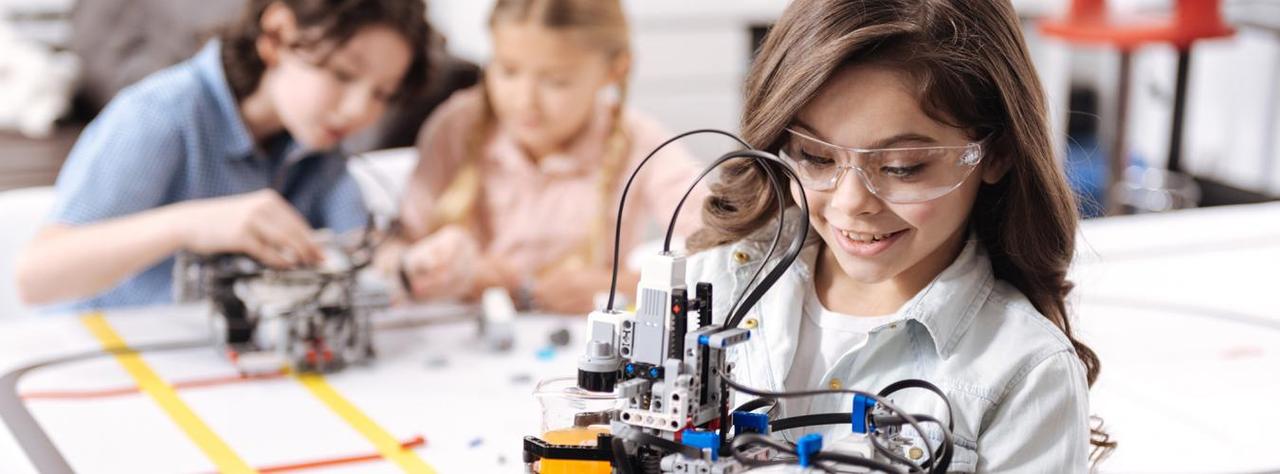
International Day of Women and Girls in Science is an international awareness day aimed at supporting the equal inclusive and sustainable participation of women and girls in the production of scientific knowledge science education and science-based professions【1】. The foundational premise of the text is that science and technology are not independent of social structures but have historically been shaped by specific social cultural and institutional conditions. Within this framework the day aims to evaluate scientific activities not solely through technical competence but also in accordance with principles of social equity and accessibility.
The International Day of Women and Girls in Science is based on a resolution adopted by the United Nations General Assembly on 22 December 2015 with 11 February designated for this purpose【2】. This resolution highlights the need for international awareness regarding the limited representation of women and girls in scientific fields. When examining the history of science it becomes evident that scientific institutions and educational systems were long shaped by male-dominated structures. This historical context provides a backdrop that has restricted women’s access to scientific education and academic careers.
The primary objective of the International Day of Women and Girls in Science is to support equal access for women and girls to scientific education research processes and science-based professions【3】. This objective encompasses making visible the gender-based social barriers in scientific fields and increasing global awareness to reduce them.
The day is not limited to merely increasing individual participation rates. It also involves evaluating the inclusivity of scientific institutions educational systems and research environments. In this context the day aims to guide girls toward scientific fields from an early age structure science education on the principle of equal opportunity and ensure the continuity of women’s scientific careers.
From the perspective of the sociology of science the production and circulation of scientific knowledge occur within social structures. Therefore the day also seeks to recognize and make visible the contributions of women to scientific knowledge production. A comprehensive examination of women’s roles in the history of science is linked to the reevaluation of historical narratives in scientific fields.
The International Day of Women and Girls in Science addresses a broad framework encompassing science technology engineering and mathematics. Within this scope science education academic careers research activities and science policies are evaluated. The day analyzes not only individual participation but also the structural characteristics of scientific institutions and educational systems.
Within the context of the sociology of science these focus areas open up discussion on how far the environments in which knowledge is produced align with principles of social equity. Concepts of representation access and continuity are central to the day’s analytical framework.
The limited representation of women and girls in science is the central issue addressed by the International Day of Women and Girls in Science【4】. This situation is associated with science’s failure to adequately reflect social diversity in knowledge production.
The historical perspective on science reveals that women have long faced exclusionary practices in the establishment of scientific institutions the institutionalization of academic disciplines and the formation of scientific authority. This historical context demonstrates that contemporary inequalities cannot be explained solely by individual preferences.
From a sociology of science perspective gender inequality is examined through multi-layered processes including access to education guidance practices toward scientific fields institutional functioning of research environments and the continuity of scientific careers. These processes bring to the forefront the question of who produces scientific knowledge under what conditions and within which institutional structures.
The International Day of Women and Girls in Science provides an international framework aimed at making these structural inequalities visible promoting discussion on more balanced and inclusive representation in science and encouraging the reevaluation of scientific environments on the basis of equality.
The day is observed internationally under the coordination of the United Nations and UNESCO【5】. Through conferences panel discussions and workshops the issue of gender equality in science is addressed. These activities create spaces for evaluation and dialogue focused on the social dimensions of scientific production.
Within this framework events examine the social impacts and inclusivity dimensions of scientific advancements through thematic approaches. The theme designated for 2026 aims to explore the interactions between artificial intelligence social sciences STEM fields and financial structures emphasizing that scientific progress must be assessed not only through technical innovation but also through the lens of social equity and access.
The day is addressed not only by international organizations but also by national institutions academic communities and civil society structures. The social responsibility of scientific institutions and the principles of equity are central elements of this context. The day enables the evaluation of institutional structures in science from the perspective of social equality.
The International Day of Women and Girls in Science draws attention to the relationship between science education and science policy【6】. Guiding girls toward scientific fields and organizing educational processes inclusively are key components of this relationship. The day underscores the necessity of addressing science education in alignment with goals of social equity.
In this context science policies focus not only on increasing research outputs but also on the formation of the scientific workforce. The interaction between education policies and science policies brings to the forefront questions about who can access scientific fields who can sustain careers in them and which groups can achieve continuity in scientific careers.
The International Day of Women and Girls in Science invites evaluation of how educational systems shape scientific orientations from an early age and to what extent these processes align with principles of social equity. This evaluation is linked to the understanding that science policies must encompass a holistic process extending from basic education to higher education.
Within this framework the day emphasizes that coordinated attention to the relationship between science education and science policy can contribute to building a more inclusive and sustainable structure in scientific fields.
The International Day of Women and Girls in Science is an international reference point that highlights the relationship between scientific development and social structures【7】. Strengthening the presence of women and girls in science is regarded as a crucial element in the production and dissemination of scientific knowledge at a global scale. The day underscores the necessity of evaluating science within an inclusive and equitable framework.
Within this framework it emphasizes that scientific progress must be assessed not only through technical and quantitative indicators but also in accordance with principles of social inclusivity and equal access. The understanding that scientific knowledge production is enriched by the participation of diverse social groups is one of the foundational pillars of the day’s global significance.
Internationally the day contributes to the reevaluation of science policies and educational approaches through the lens of social equity. Supporting the participation of women and girls in scientific fields is regarded not only as a matter of individual opportunity but also as a global imperative for the diversity and sustainability of scientific knowledge. Therefore the International Day of Women and Girls in Science offers a universal platform for highlighting the social responsibility dimension of scientific activities.
Mars on Earth Project. "Uluslararası Bilimde Kadınlar ve Kız Çocukları Günü Kutlu Olsun." Accessed February 9, 2026. https://marsonearthproject.org/uluslararasi-bilimde-kadinlar-ve-kiz-cocuklari-gunu-kutlu-olsun/
TÜBİTAK Bilim Genç. "Uluslararası Bilimde Kadınlar ve Kız Çocukları Günü Kutlu Olsun." Accessed February 9, 2026. https://bilimgenc.tubitak.gov.tr/makale/uluslararasi-bilimde-kadinlar-ve-kiz-cocuklari-gunu-kutlu-olsun
UNESCO, “2026 International Day of Women and Girls in Science,” Accessed February 9, 2026. https://www.unesco.org/en/articles/2026-international-day-women-and-girls-science
United Nations, "International Day of Women and Girls in Science," Accessed February 9, 2026, https://www.un.org/en/observances/women-and-girls-in-science-day
[1]
United Nations, International Day of Women and Girls in Science, Access Date 9 February 2026,https://www.un.org/en/observances/women-and-girls-in-science-day
[2]
United Nations, International Day of Women and Girls in Science, Access Date 9 February 2026,https://www.un.org/en/observances/women-and-girls-in-science-day
[3]
United Nations, International Day of Women and Girls in Science, Access Date 9 February 2026,https://www.un.org/en/observances/women-and-girls-in-science-day
[4]
United Nations, International Day of Women and Girls in Science, Access Date 9 February 2026,https://www.un.org/en/observances/women-and-girls-in-science-day
[5]
United Nations, International Day of Women and Girls in Science, Access Date 9 February 2026,https://www.un.org/en/observances/women-and-girls-in-science-day
[6]
UNESCO “2026 International Day of Women and Girls in Science,” Access Date 9 February 2026,https://www.unesco.org/en/articles/2026-international-day-women-and-girls-science
[7]
United Nations, International Day of Women and Girls in Science, Access Date 9 February 2026,https://www.un.org/en/observances/women-and-girls-in-science-day

Official Name(s) | International Day of Women and Girls in Science | ||||||||
|---|---|---|---|---|---|---|---|---|---|
Date(s) | 11 February | ||||||||
International Coordination | United Nations and UNESCO | ||||||||
Institutional Basis | United Nations General Assembly resolution (22 December 2015) | ||||||||
No Discussion Added Yet
Start discussion for "Women and Girls in Science Day" article
Historical Background
Objective
Scope and Focus Areas
Gender Inequality in Science
International Commemoration and Activities
Institutional and Social Context
Relationship with Education and Science Policies
Global Significance