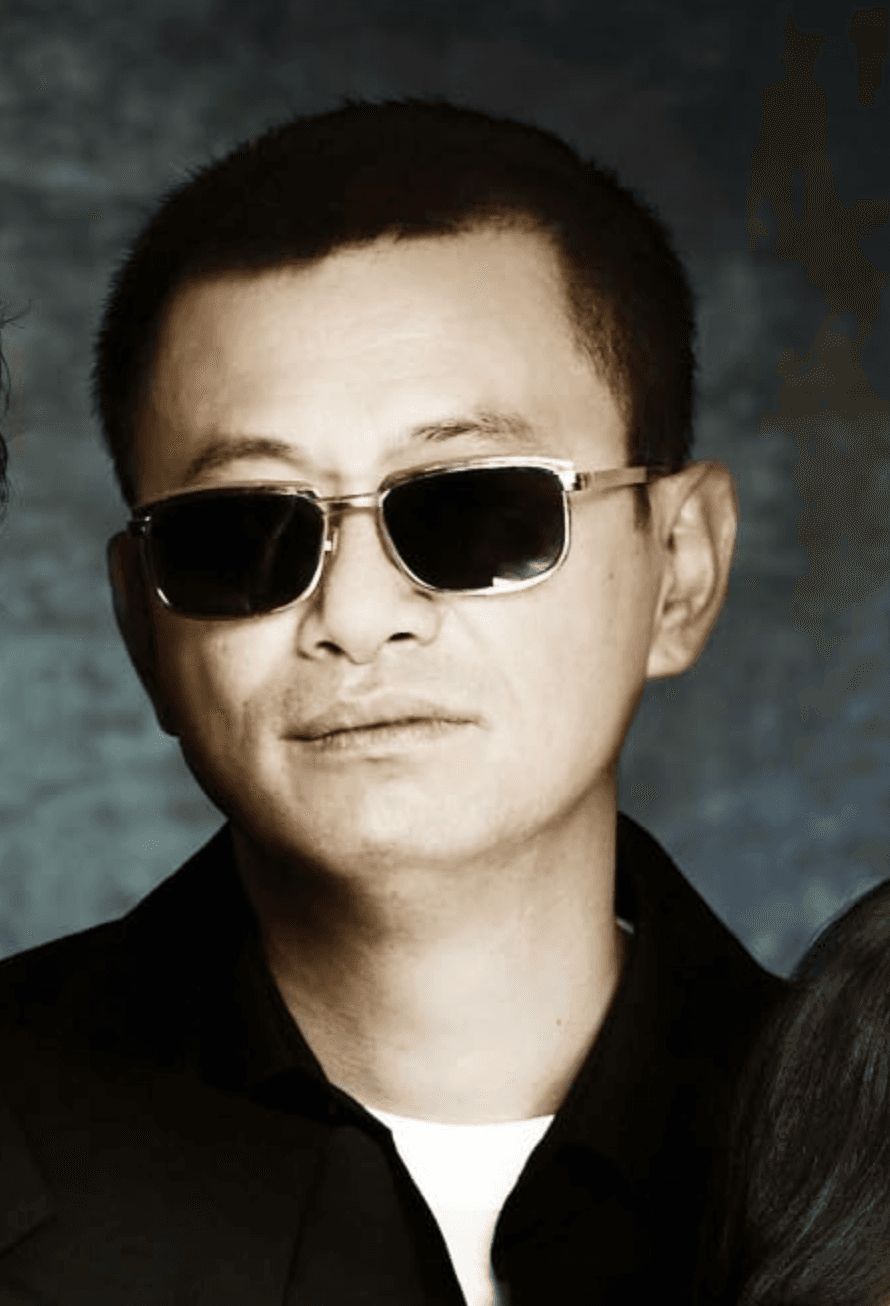

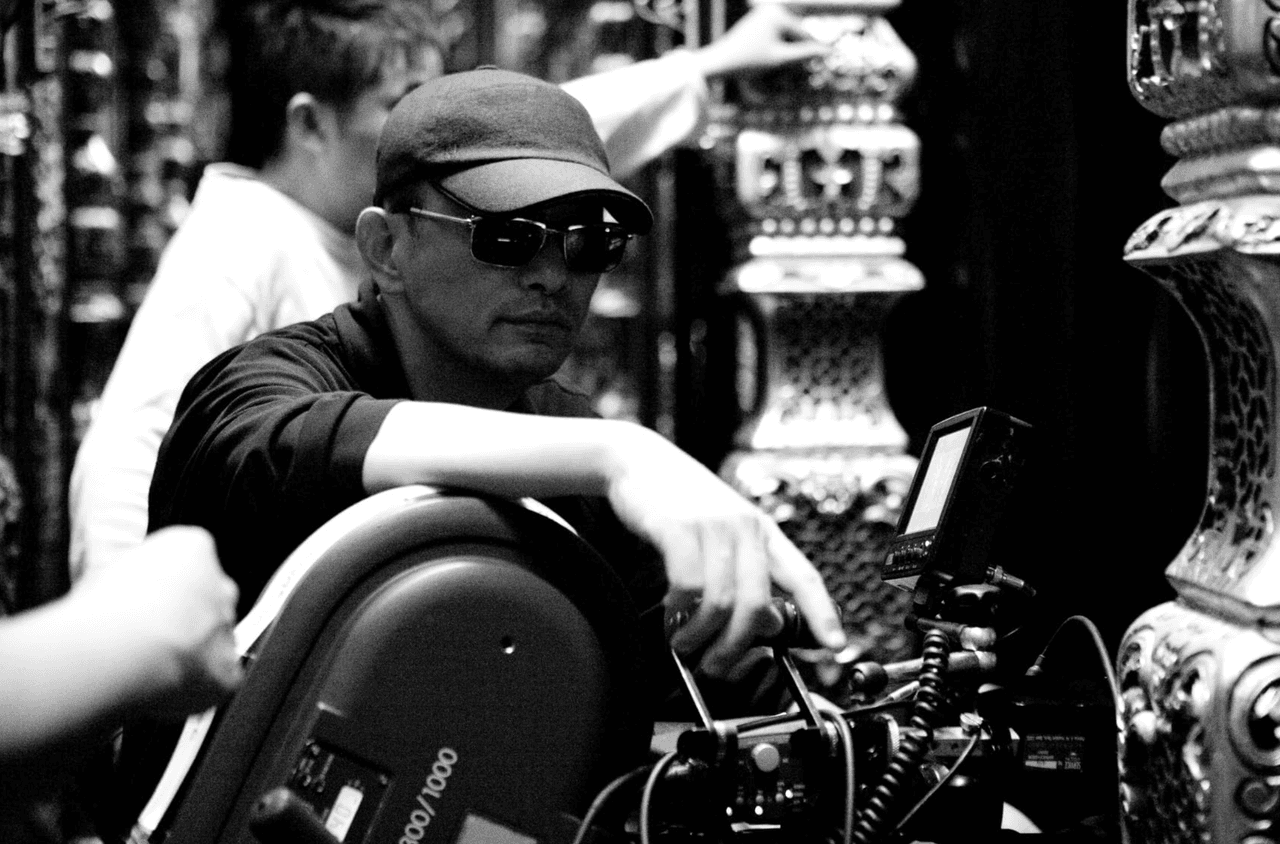

Birth | 1958, Shanghai, China | ||||||||
|---|---|---|---|---|---|---|---|---|---|
Nationality | Nationality | ||||||||
Occupation(s) | Director Producer Screenwriter | ||||||||
Active Years | 1988–present | ||||||||
Notable Films | In the Mood for Love, Chungking Express, Happy Together, 2046 | ||||||||
Award(s) | Cannes Best Director (1997) Asian Film Awards Lifetime Achievement (2013) Hong Kong Film Awards (multiple) | ||||||||
Wong Kar-Wai (b. 1958, Shanghai) is a Hong Kong filmmaker, screenwriter and producer. He is internationally recognized for his distinctive visual style and narrative approach. Throughout his cinematic career, themes such as temporal fragmentation, spatial movement, love, loneliness and memory have taken center stage.
Wong Kar-Wai was born in Shanghai, China, in 1958. He migrated to Hong Kong with his family during childhood. He entered the film industry in the 1980s through screenwriting for television and cinema. He made his directorial debut in 1988 with As Tears Go By. Throughout his career, he has collaborated multiple times with cinematographers Christopher Doyle and Pin Bing Lee, and actors Tony Leung Chiu-wai, Maggie Cheung, Leslie Cheung, Faye Wong, Brigitte Lin, Gong Li and Zhang Ziyi.
Wong Kar-Wai’s cinema is defined by fragmented narrative structures, slowed-down cinematography, rich color palettes and close framing. Urban spaces such as city streets, apartment corridors, restaurants and hotel rooms frequently serve as settings in his films. Music plays a crucial role in enhancing the emotional atmosphere of scenes. His narratives often explore love and relationships through the lens of time’s passage and the influence of memory.
He gained international acclaim after winning the Best Director award at the 1997 Cannes Film Festival for Happy Together. His 2000 film In the Mood for Love received worldwide praise. In 2007, he expanded into a different cinematic market with My Blueberry Nights, his first English-language film. In 2013, his film The Grandmaster explored the martial arts genre through his unique cinematic language.
Artful Living. "Wong Kar-Wai Sinemasına Bir Davet: Aşk, Zaman ve Mekân." Artful Living. Accessed August 8, 2025. https://www.artfulliving.com.tr/kultur-ve-yasam/wong-kar-wai-sinemasina-bir-davet-ask-i-23095
BFI. "Where to Begin with Wong Kar-Wai." BFI. Accessed August 8, 2025. https://www.bfi.org.uk/features/where-begin-with-wong-kar-wai
CGTN Türk. “Çin Sinemasına Çağ Atlattan Yönetmen Wong Kar-Wai.” CGTN Türk. Accessed August 8, 2025. https://www.cgtnturk.com/foto-galeri/cin-sinemasina-cag-atlatan-yonetmen-wong-kar-wai
Cinemas-Asie. “Wong Kar-Wai.” Cinemas-Asie. Accessed August 8, 2025. https://www.cinemas-asie.com/en/members/wong-kar-wai.html
Festival de Cannes. "Kar-Wai Wong." Festival de Cannes. Accessed August 8, 2025. https://www.festival-cannes.com/en/p/kar-wai-wong/
Film Hafızası. "Sinemanın Şairane Anlatısı: Wong Kar-Wai Filmografisi." Accessed August 8, 2025. https://filmhafizasi.com/sinemanin-sairane-anlatisi-wong-kar-wai-filmografisi/
IMDb. "Awards – Wong Kar-Wai." IMDb. Accessed August 8, 2025. https://www.imdb.com/name/nm0939182/awards/?ref_=nm_ov_at_pop_4
IMDb. "Biography – Wong Kar-Wai." IMDb. Accessed August 8, 2025. https://www.imdb.com/name/nm0939182/bio/?ref_=nm_ov_at_pop_2
IMDb. "Filmography List." IMDb. Accessed August 8, 2025. https://www.imdb.com/list/ls086436450/
IMDb. Wong Kar-Wai. Accessed August 8, 2025. https://www.imdb.com/name/nm0939182/
MUBI. "Wong Kar-Wai." MUBI. Accessed August 8, 2025. https://mubi.com/en/cast/wong-kar-wai
The Movie Database. “Wong Kar-Wai.” The Movie Database. Accessed August 8, 2025. https://www.themoviedb.org/person/12453
Wannart. "Bulanık Değişimler: Wong Kar-Wai Sineması." Accessed August 8, 2025. https://wannart.com/icerik/28859-bulanik-degisimler-wong-kar-wai-sinemasi

Birth | 1958, Shanghai, China | ||||||||
|---|---|---|---|---|---|---|---|---|---|
Nationality | Nationality | ||||||||
Occupation(s) | Director Producer Screenwriter | ||||||||
Active Years | 1988–present | ||||||||
Notable Films | In the Mood for Love, Chungking Express, Happy Together, 2046 | ||||||||
Award(s) | Cannes Best Director (1997) Asian Film Awards Lifetime Achievement (2013) Hong Kong Film Awards (multiple) | ||||||||
Life and Career Beginnings
Cinematic Style and Themes
International Recognition and Collaborations
Filmography
Short and Medium-Length Films
Awards and Nominations
Awards Won
Significant Nominations