

This article was automatically translated from the original Turkish version.
+1 More
Yağcıbedir El Halısı
Type of Geographical İndication | Mahreç Sign | ||||||||
|---|---|---|---|---|---|---|---|---|---|
Application Date | 21.06.1996 | ||||||||
Registration Date | 14.11.1997 | ||||||||
Registration Number | 17 | ||||||||
Product / Product Group(s) | Rugs and kilims | ||||||||
Province(s) | Balıkesir | ||||||||
Applicant/Registrant(s) | Sındırgı Municipality | ||||||||
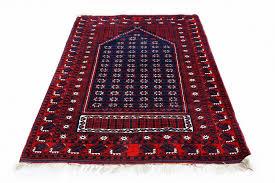
Yağcıbedir rug is one of Türkiye’s important cultural heritage elements, traditionally woven in the Sındırgı district of Balıkesir and its surroundings using traditional methods, distinguished by the use of natural root dyes and geometric motifs. These rugs, among the original examples of Anatolian carpet weaving, are particularly notable for their dominant use of deep blue, red, and white colors in their designs.
The origins of Yağcıbedir carpet weaving trace back to the Yörük/Turkmen communities that migrated from Central Asia to Anatolia. The Yağcıbedir Yörük groups preserved the carpet weaving tradition across generations. Particularly after the 19th century, these rugs gained commercial significance and came to represent a traditional form of production deeply integrated with women’s labor in the regional economy.
The Yağcıbedir Rug was officially registered by the Turkish Patent and Trademark Office on 14.11.1997 and granted Geographical Indication status. The registration document details the production technique, motif structure, and material properties. Under the Geographical Indication framework, the rugs must be produced exclusively in specific areas around Sındırgı, adhering strictly to traditional weaving techniques and the use of designated raw materials.
The Yağcıbedir rug is not merely a craft product but also a vital source of livelihood that enables the economic participation of women in the region. Thanks to its production structure based on traditional knowledge, it contributes to the preservation of the region’s intangible cultural heritage. Rugs presented at national and international fairs also support the development of cultural tourism.
Carpet production is supported by the Sındırgı Municipality and various women’s cooperatives, with educational and exhibition activities encouraging younger generations to engage with this heritage. Since 2010, efforts have been made to nominate the Yağcıbedir rug for inclusion in UNESCO’s Lists of Intangible Cultural Heritage.
Deniz, Bekir. “Sındırgı (Balıkesir) Yöresi Yağcıbedir Halıları.” *Erdem* 10, no. 28 (1999): 111–124. Accessed July 29, 2025. https://dergipark.org.tr/en/download/article-file/688014
Ekici, S. E., and Cevdet Avcıkurt. “Balıkesir Somut Olmayan Kültürel Miras Unsurlarından El Sanatlarının Kırsal Turizm Kapsamında Değerlendirilmesi.” *Uluslararası Türk Dünyası Turizm Araştırmaları Dergisi* 5, no. 1 (2020): 134–153. Accessed July 29, 2025. https://www.academia.edu/download/111749246/Makale_4.pdf
Turk Patent and Trademark Office. "Yağcıbedir Halısı." *Geographical Indications Database.* Accessed July 29, 2025. https://ci.turkpatent.gov.tr/cografi-isaretler/detay/37880
Türk Patent ve Marka Kurumu. *Yağcıbedir Halısı Coğrafi İşaret Tescil Belgesi.* Ankara: TÜRKPATENT, 1996. Accessed July 29, 2025. https://ci.turkpatent.gov.tr/Files/GeographicalSigns/fbcdee8d-008b-4886-86f2-7afcf0a5802a.pdf

Yağcıbedir El Halısı
Type of Geographical İndication | Mahreç Sign | ||||||||
|---|---|---|---|---|---|---|---|---|---|
Application Date | 21.06.1996 | ||||||||
Registration Date | 14.11.1997 | ||||||||
Registration Number | 17 | ||||||||
Product / Product Group(s) | Rugs and kilims | ||||||||
Province(s) | Balıkesir | ||||||||
Applicant/Registrant(s) | Sındırgı Municipality | ||||||||
No Discussion Added Yet
Start discussion for "Yağcıbedir El Halısı" article
History
Geographical Indication and Protection
Technical Features
Cultural and Socio-Economic Role
Meaning of Motifs
Yağcıbedir Today