

This article was automatically translated from the original Turkish version.
+2 More
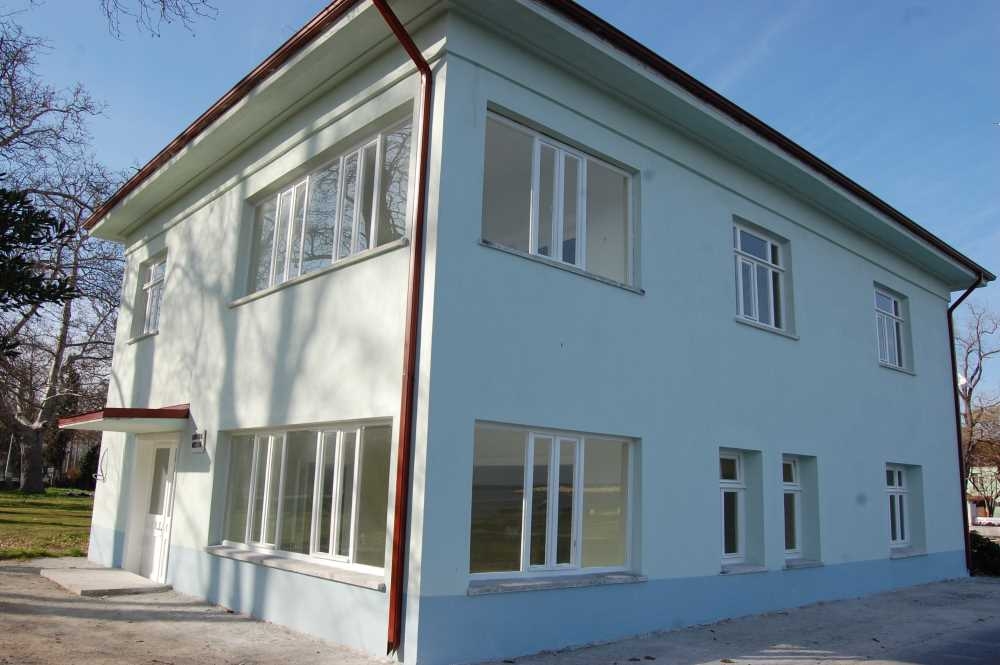
The Yalova Atatürk and Children Museum is a historic villa where Mustafa Kemal Atatürk, the founder of the Republic of Türkiye, resided and which holds significant historical and cultural value. The villa is known as the structure Atatürk used before having his Moving Villa constructed and was officially registered as a cultural heritage site in 2007. Having undergone various restoration phases over time, the building now functions as a museum and attracts attention both for its architectural design and for the elements that bear witness to Atatürk’s life.
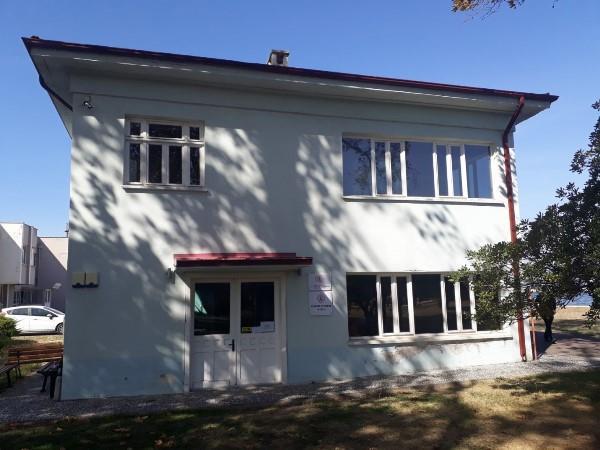
Yalova Atatürk and Children Museum (Yalova Museum Directorate)
The villa is oriented along a northeast-southwest axis. Its main entrance is situated on the southeast facade while a secondary entrance opens toward the northwest. This orientation ensures natural daylighting of interior spaces and balanced air circulation within the structure. Additionally, the building’s position creates a harmonious unity with the surrounding natural landscape.
The structure was built using traditional masonry materials of stone and brick. The exterior facades were later covered with cement-based plaster to enhance durability and coated with protective and aesthetic paint. These interventions have safeguarded the building against weather conditions while allowing its historical texture to merge with a contemporary aesthetic.
A sidewalk approximately 90 cm wide and 10 cm high surrounds the villa. This sidewalk facilitates visitor access to the building while establishing a regular pedestrian path around it and gently bridging the transition between the landscape and the structure. It is also slightly sloped to direct rainwater away from the building.
The reinforced concrete canopy above the main entrance stands out as a modern intervention. Due to the layer of grobeton applied on top of it, the entrance level has been lowered by approximately 15 cm. This difference in level affects both the usage pattern of the entrance and the building’s exterior appearance, imparting a unique architectural character to the structure.
The building is two stories high. The ground floor contains an entrance hall, a meeting room, one bedroom, and a toilet. This level was designed primarily as a social space for hosting guests and conducting daily activities. The first floor houses an outer salon, three bedrooms, and a bathroom and serves more as a private living area. The spatial arrangement between the floors reflects the social habits and comfort needs of the period.
All rooms within the building are fitted with wooden flooring, chosen for both thermal comfort and aesthetic considerations. Wooden floors lend the structure a warm and natural atmosphere while also providing durability. However, the floor of the space extending from the first-floor salon is made of marble. This difference indicates that this area was originally used as a veranda and later incorporated into the interior. Marble was selected for the bathroom and toilet floors due to its water resistance and hygienic properties.
The building’s stairs, furniture, and cabinetry are entirely crafted from hand-worked wood. These elements contribute both durability and aesthetic uniqueness to the structure. Additionally, hand-woven carpets preserved within the interior are valued artifacts reflecting the craftsmanship and artistic sensibilities of the period. Original chandeliers enhance the interior lighting aesthetics and help sustain the historical atmosphere. Windows and doors are protected with oil paint, preserving the building’s original architectural identity.


No Discussion Added Yet
Start discussion for "Yalova Atatürk and Children Museum" article
Location and Orientation of the Building
Construction Technique and Exterior Facade Features
Environmental Arrangement and Sidewalk
Distinctive Features of the Entrance Architecture
Floor Plan and Interior Spatial Organization
Interior Floor Finishes and Material Selection
Woodwork and Original Details